
Swollen feet after surgery are very common and usually normal. Surgery causes inflammation as part of healing, and lying still, intravenous fluids, and gravity all push fluid down into the feet and ankles — so some swelling after an operation is expected. Swollen feet after surgery typically peak in the first few days, then improve gradually over two to six weeks as you move more. Elevation, gentle movement, and compression stockings if your surgeon recommends them are the main ways to bring it down. But swelling in only one leg, especially with calf pain, redness, or warmth, can signal a blood clot and needs urgent medical attention. Knowing the difference between normal post-surgery swelling and a warning sign is genuinely important.
See a doctor promptly if you notice any of these:
- Swelling in one leg or foot only, especially with calf pain or tenderness
- Redness, warmth, or pain along a vein in the leg
- Sudden shortness of breath, chest pain, or coughing up blood
- Fever, or a wound that becomes red, hot, or leaks fluid
- Swelling that suddenly gets much worse, or does not improve over weeks
Why feet swell after surgery
Swelling is a normal part of healing. Surgery is a controlled injury, and your body’s response is to send fluid, white blood cells, and healing factors to the area. That fluid causes swelling — and because you spend a lot of time lying down or sitting after an operation, gravity pulls that fluid down into the lowest point, which is usually the feet and ankles. Intravenous fluids given during surgery add to the total fluid in your body, and the effect can linger for days.
Reduced movement plays a big role too. When you walk, your calf muscles squeeze the veins in your legs and pump blood back toward your heart. After surgery, you move less, so blood and fluid pool in the lower legs. This is why surgeons push early walking: even short walks help move fluid out of the feet.
The type of surgery matters as well. Operations on the leg, foot, hip, or knee cause the most swelling, because the surgical site is close to the feet. Abdominal surgery can also cause foot swelling, from lying still and fluid shifts. In most cases, though, the swelling is a side effect of healing and immobility rather than a complication.
What helps bring the swelling down
Elevate your feet above your heart. This is the single most effective thing you can do. Lie down with your feet propped on pillows so they sit higher than your chest, for twenty to thirty minutes, several times a day. Gravity drains fluid out of the feet and back toward the body. Sitting with your feet on a footstool helps a little, but lying down with real elevation works far better.
Move little and often. Follow your surgeon’s instructions on how much you can walk, and then do it. Short, frequent walks around the house are better than one long effort. Ankle circles and gentle foot pumps — pointing your toes away and pulling them back toward you — can be done from bed or a chair and help activate the calf muscle pump. Even small movements make a difference when you are mostly resting.
Wear compression stockings if prescribed. Many surgeons recommend them after orthopedic or abdominal operations: they gently squeeze the legs, support the veins, and reduce fluid pooling. Wear them exactly as directed, and tell your surgeon if they cause pain, numbness, or skin irritation. Do not start wearing them on your own without checking first.
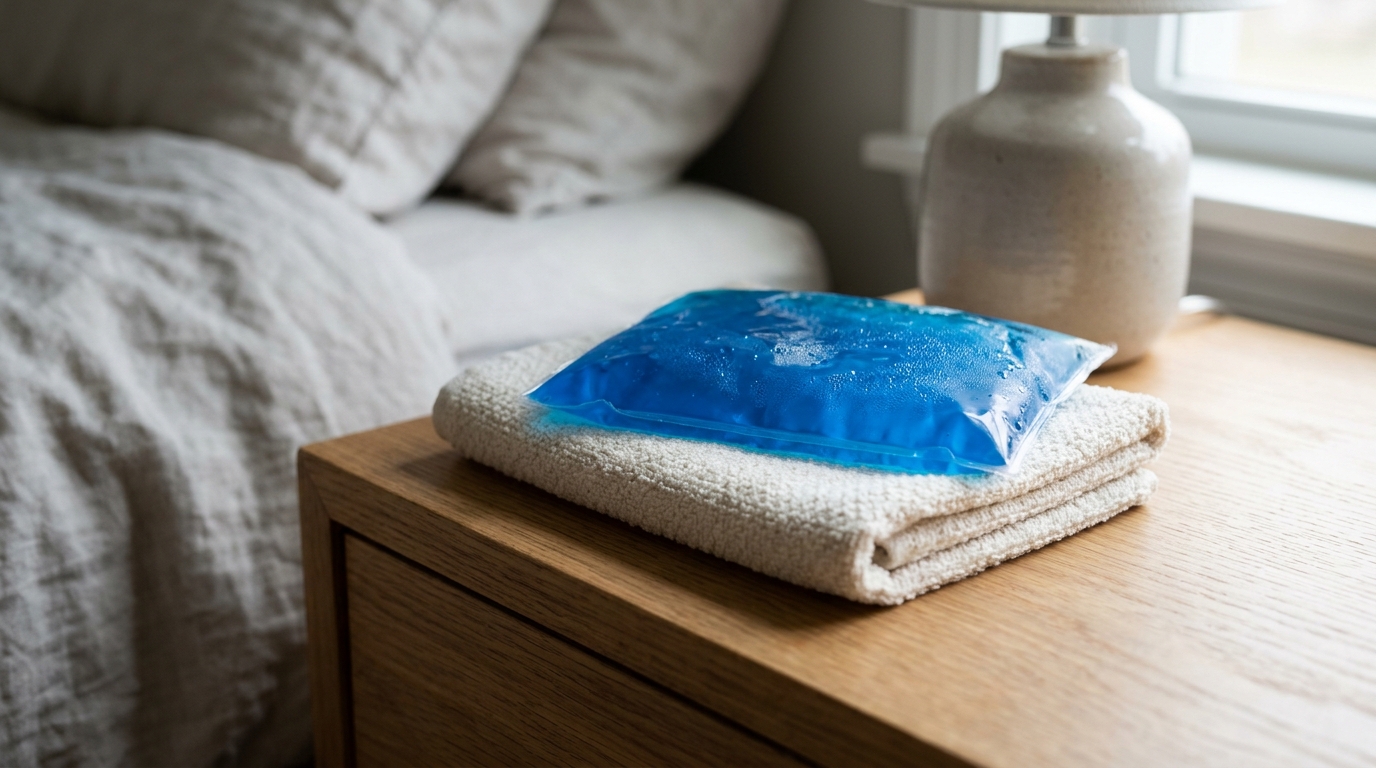
Watch your salt and fluids. Very salty food can make fluid retention worse, so a normal, balanced diet without extra salt is sensible while you recover. Drink water normally — dehydration does not reduce swelling and can slow healing. Ice packs on the surgical area, if your surgeon advises them, can also reduce local swelling, but never apply ice directly to the skin.
How long swelling lasts — and when to worry
Normal post-surgery swelling usually peaks in the first two to three days, then gradually improves over two to six weeks. Swelling after foot or leg surgery can take longer — sometimes several months — because the tissues were directly operated on and gravity works against healing every time you stand. A slow, steady improvement is the pattern to expect. If the swelling is clearly going down week by week, even slowly, that is reassuring.
The warning signs are different, and they matter. Swelling in one leg only — especially with pain or tenderness in the calf, redness, or warmth — can be a deep vein thrombosis, a blood clot in a deep vein. This is a serious complication of surgery and needs urgent assessment, because a clot can travel to the lungs. Sudden shortness of breath, chest pain, or coughing up blood after surgery is an emergency: call emergency services immediately. These symptoms can signal a pulmonary embolism, which is life-threatening.
Other red flags include fever, a wound that becomes increasingly red or starts leaking fluid, and swelling that suddenly worsens after improving — these can signal infection. The rule is simple: swelling that is equal in both feet, painless, and slowly improving is usually normal. Swelling that is one-sided, painful, red, hot, or getting worse is not, and needs a prompt call to your surgeon. When in doubt after surgery, always call.
Frequently asked questions
How long do swollen feet last after surgery?
Swelling usually peaks in the first two to three days and improves over two to six weeks. After foot or leg surgery it can take several months to fully resolve, but it should steadily improve.
Is it normal for only one foot to swell after surgery?
Swelling is usually worse on the operated side, but swelling in one leg only, especially with calf pain or redness, can signal a blood clot and needs urgent medical attention.
Does elevating your feet help after surgery?
Yes — it is the most effective home measure. Lying down with feet raised above heart level for twenty to thirty minutes, several times a day, drains fluid out of the feet.
Should I wear compression stockings after surgery?
Only if your surgeon recommends them. They help reduce swelling and clot risk, but they should be fitted and used exactly as directed — ask your surgeon before starting them.
When should I call my surgeon about swelling?
Call promptly for one-sided swelling with calf pain, redness, or warmth, sudden breathlessness or chest pain, fever, a worsening wound, or swelling that suddenly gets worse instead of better.
Sources
- Mayo Clinic — Deep Vein Thrombosis: Symptoms and Causes
- Cleveland Clinic — Swelling After Surgery
- NHS — Blood Clots After Surgery
This article is for information only and is not medical advice. If your foot pain is severe, sudden, or not improving, talk to a healthcare professional for a proper diagnosis.