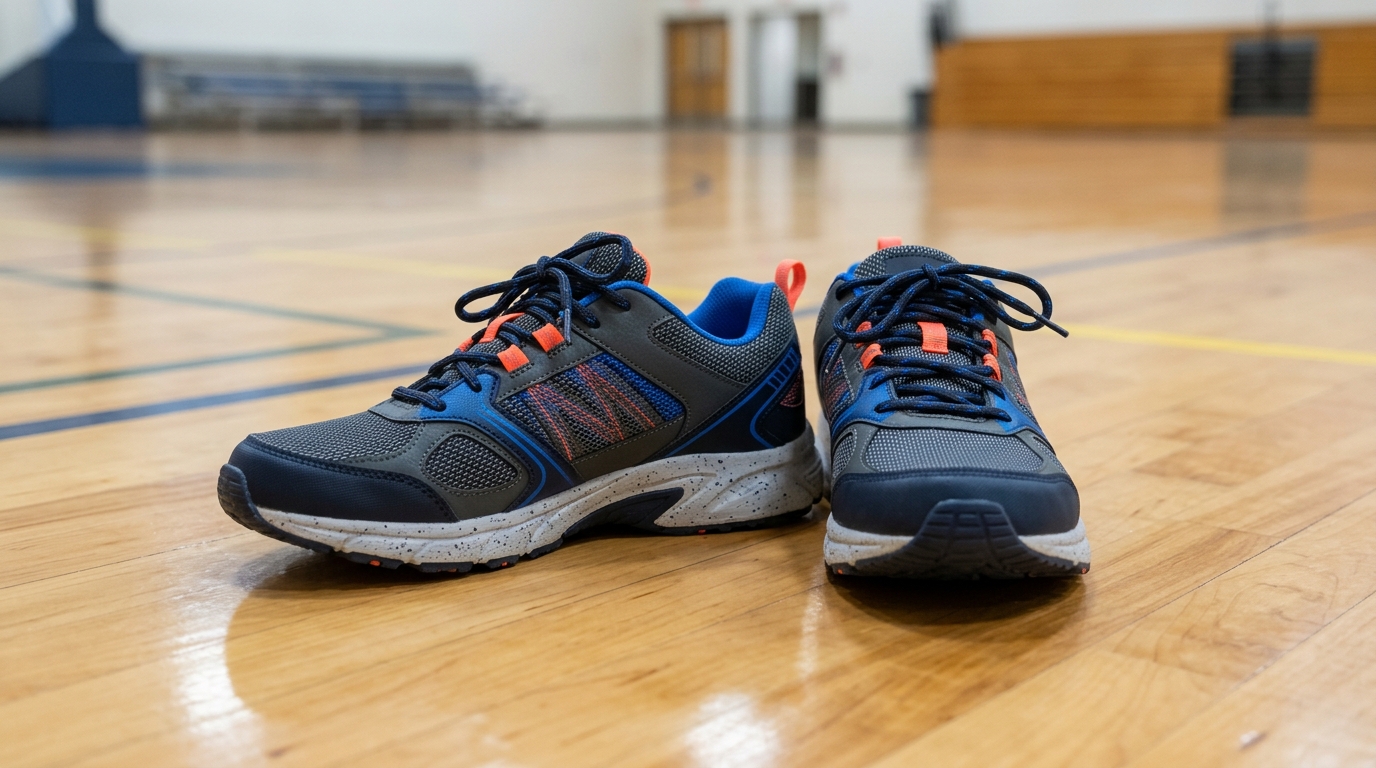
Foot pain in teenagers is most often caused by growth spurts, sports overload, or a growth-plate condition called Sever’s disease, which causes heel pain in active kids aged roughly 8 to 15. Rapid growth makes bones, muscles, and tendons grow at different speeds, so the Achilles tendon pulls tight on the heel — and hours of running, jumping, and sport on top of that can push the foot past its limit. The good news is that most foot pain in teenagers is not serious and improves with rest, supportive shoes, stretching, and sensible training. But pain that is severe, one-sided, swollen, or stops a teenager walking normally deserves a medical check.
See a doctor promptly if you notice any of these:
- Severe pain, or pain that makes it hard to walk or bear weight
- Swelling, bruising, redness, or warmth in the foot or ankle
- Foot pain with a fever, which can signal infection
- Pain in one foot only that does not improve after a few days of rest
- A foot or toe that looks deformed, or pain after a fall or injury
Why teenagers get foot pain
Teenage feet are under construction. During a growth spurt, the bones of the foot and leg can grow faster than the muscles and tendons around them, leaving tendons tight and joints strained. The heel is the classic trouble spot: in children and young teenagers, the heel bone still has an open growth plate, and the Achilles tendon attaches right at it. When a fast-growing teenager runs and jumps, the tendon tugs on the growth plate with every step — and the result is Sever’s disease, the most common cause of heel pain in young athletes. It is an overuse injury, not a disease, and it resolves as the growth plate closes.
Sports overload is the other big driver. Many teenagers now play one sport year-round, train several times a week, and compete at weekends — a load growing feet were not designed for. Repetitive running and jumping can cause stress fractures, tendonitis, and plantar fascia pain, especially when training ramps up suddenly at the start of a season or with a new team. Playing through pain is common at this age — and it is how a minor overuse problem becomes a serious one.
Footwear makes things worse. Teenagers outgrow shoes fast, and a shoe that fitted three months ago may now be squeezing the toes or offering no support. Flat, unsupportive shoes — thin sneakers, flip-flops, and fashion shoes with no arch support — leave growing feet nothing to work with. Flat feet are common in teenagers and usually harmless, but in an active teenager in poor shoes, they can contribute to aching arches and tired feet by the end of the day.
What helps teenage foot pain
Rest the painful foot first. If a teenager’s foot hurts during sport, cut back the training that triggers it — fewer or shorter sessions, or low-impact activity like swimming or cycling for a week or two. This is not giving up; it is letting the tissues recover. Pain that is ignored and played through can turn into a stress fracture or a chronic tendon problem.
Stretch the calves and Achilles. Tight calves are behind much teenage heel pain, including Sever’s disease. A simple wall calf stretch, held for 30 seconds on each leg a few times a day, takes the tension off the heel. Rolling the foot over a tennis ball and gentle toe spreads help too. A physiotherapist can teach a proper routine if the pain keeps returning.
Check the shoes. Make sure shoes fit properly — a thumb’s width of space in front of the longest toe, and a heel that stays put. Replace shoes that are worn out or outgrown, and choose supportive sports shoes with cushioning and arch support. A cushioned heel cup or supportive insole can help a teenager with Sever’s disease by absorbing impact and easing the pull on the heel. Avoid training in flat fashion shoes or worn-out sneakers.
Manage the training load. Young athletes should build up gradually, especially at the start of a season, and take one full rest day each week. Playing multiple sports across the year is healthier for growing feet than one sport year-round, because it varies the load. Coaches and parents should watch for a teenager who is limping, cutting sessions short, or complaining of the same pain every week.
Support the feet at home. Encourage supportive shoes rather than barefoot walking on hard floors at home. Ice the sore spot for fifteen minutes after sport if it is tender, and elevate it if swollen.
When teenage foot pain needs a doctor
Most foot pain in teenagers is growth or overuse, and it improves with rest, stretching, and better shoes. But get it checked promptly if the pain is severe, one-sided, or does not improve after a few days of rest. Pain with swelling, bruising, redness, or fever needs a doctor, as does pain after a fall. A teenager who cannot bear weight, or whose foot looks different, needs urgent care. And if foot pain keeps coming back every season, or stops a teenager playing sport they love, a doctor or podiatrist can check for Sever’s disease, stress fractures, flat feet, or other causes.
Growing feet are hard-working feet, and a bit of soreness during a growth spurt or a heavy sports season is normal. Rest when it hurts, stretch the calves, wear shoes that fit, and keep the training load sensible. When the pain does not follow that pattern, a doctor’s check is the right next step.
Frequently asked questions
What is Sever’s disease?
Sever’s disease is heel pain in growing children and teenagers, caused by the Achilles tendon pulling on the heel’s growth plate during growth spurts and sport. It is an overuse injury, not a disease, and it resolves as the growth plate closes.
Is foot pain normal for teenagers?
Mild, occasional soreness during growth spurts or heavy sports seasons is common. But severe pain, pain that stops a teenager walking normally, or pain that keeps returning needs a check.
Do teenagers with flat feet need orthotics?
Not always. Flat feet are common and often harmless in teenagers. Orthotics or supportive insoles help when flat feet come with pain, fatigue, or problems in sport.
Should my teenager keep playing sport with foot pain?
Cut back the activity that triggers the pain until it settles, and switch to low-impact exercise meanwhile. Playing through pain makes it worse.
When should I take my teenager to a doctor for foot pain?
See a doctor promptly for severe pain, swelling, bruising, fever with foot pain, pain after an injury, or pain that lingers after a few days.
Sources
- Mayo Clinic — Sever’s Disease: Symptoms and Causes
- Cleveland Clinic — Foot Pain in Children and Teens
- American Podiatric Medical Association — Children’s Foot Health
This article is for information only and is not medical advice. If your foot pain is severe, sudden, or not improving, talk to a healthcare professional for a proper diagnosis.