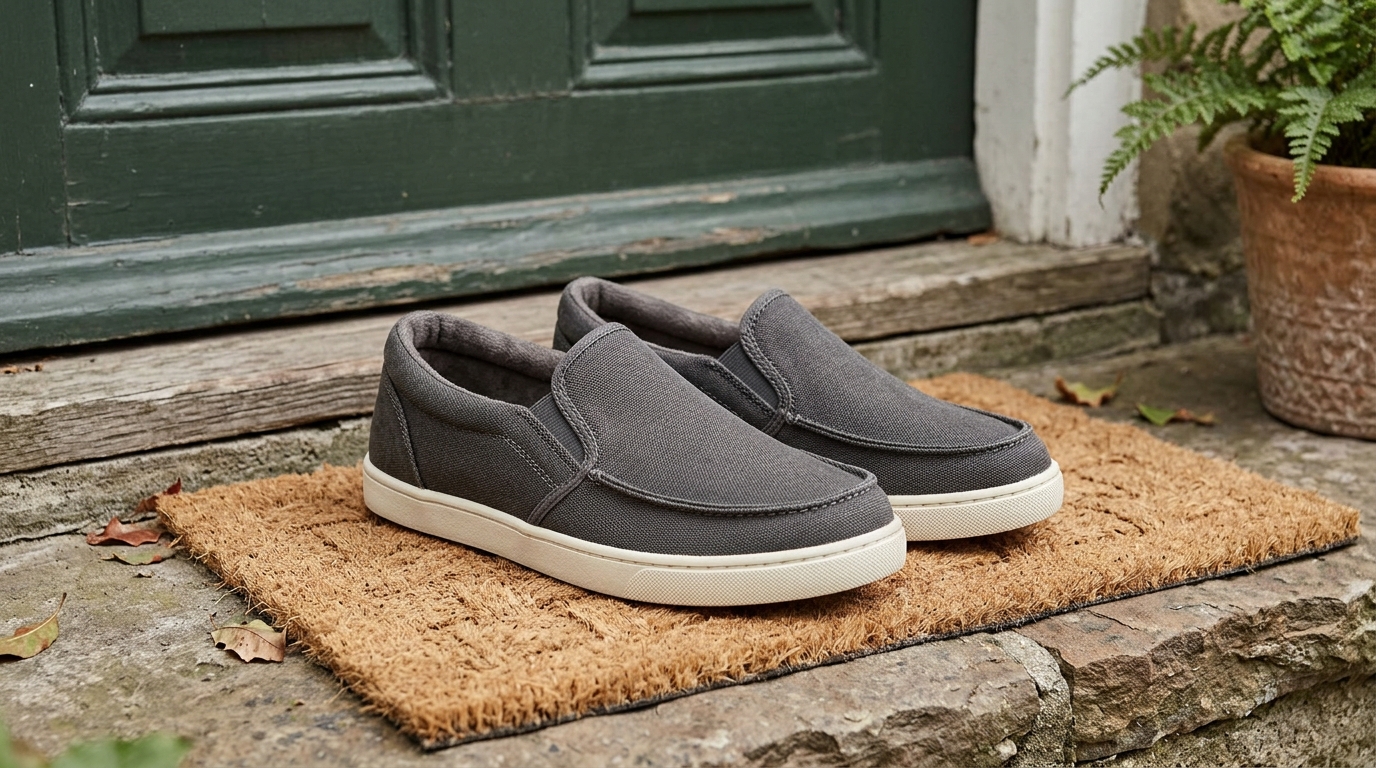
Feet after pregnancy often do not go back to exactly how they were before. During pregnancy, the hormone relaxin loosens ligaments throughout the body — including the ones that hold up your arches — and the extra weight flattens them further. Research shows many women’s feet stay a little longer or wider after giving birth, and some need a larger shoe size permanently. On top of that, lingering ankle swelling, heel pain, and long days standing and walking while carrying a baby can make feet ache. These changes are normal and usually improve with time, but the right shoes, simple exercises, and a little patience make recovery faster and more comfortable.
See a doctor promptly if you notice any of these:
- Swelling in one leg or foot only, especially with calf pain or tenderness
- Severe foot pain that makes walking difficult, or pain after a fall
- A foot that is red, hot, and swollen, or a wound that will not heal
- Numbness, tingling, or burning in the feet that persists
- Swelling that returns or worsens weeks after delivery, or shortness of breath
Why your feet change after pregnancy
The biggest change is structural. Relaxin is the hormone that loosens ligaments so the pelvis can expand during birth, but it acts on ligaments everywhere — including the feet. The arch of your foot is held up by ligaments and tendons, and when they loosen under the added weight of pregnancy, the arch drops and the foot spreads. A University of Iowa study found many first-time mothers had measurably longer and wider feet after pregnancy, and the change often persisted months later. For some women it is permanent — which is why so many new mothers find their old shoes no longer fit.
Swelling is the other obvious change. During pregnancy your body holds extra fluid, which gravity pulls into the feet and ankles. Most of that fluid clears in the first days and weeks after delivery, but some women notice puffy ankles for weeks, especially if they are on their feet a lot or the weather is warm. Breastfeeding, broken sleep, and carrying a baby all add strain. If swelling appears suddenly in one leg only, or comes with calf pain, get it checked promptly — it can be a sign of a blood clot, which is more common in the weeks after birth.
Heel and arch pain are also common in the months after delivery. The plantar fascia, the band under the foot, has been stretched by the flattened arch and extra weight, and can stay irritated long after the baby arrives. Soft, flat shoes worn for comfort during pregnancy add to the problem, setting the stage for plantar fasciitis. Many new mothers also ache simply because they suddenly walk far more — pacing with a baby, standing at a changing table, carrying a car seat — on feet that have changed shape.
How to help your feet recover
Start by accepting your new foot size. Get both feet measured, standing up, and buy shoes that fit the feet you have now, not the ones you had before pregnancy. Look for a roomy toe box, good arch support, and a cushioned sole. If your arch has dropped, a supportive insole or an over-the-counter orthotic can make a real difference — and if pain persists, a podiatrist can fit custom orthotics matched to your new arch shape. Avoid completely flat shoes and high heels while your feet are recovering; both make arch pain worse.
Strengthen your feet gradually. Once your doctor has cleared you for exercise after delivery, simple foot exercises help rebuild the support your arches lost. Try toe scrunches with a towel, picking up small objects with your toes, and rolling a ball under your arch. Calf stretches matter too: tight calves pull on the plantar fascia and Achilles tendon. Start gently — a few minutes a day — and build up. Walking is excellent recovery exercise — build distance slowly, in supportive shoes rather than flip-flops.
Manage swelling with elevation and movement. Put your feet up above heart level for fifteen minutes a few times a day, especially in the evening. Keep moving — ankle circles and foot pumps help while you are sitting and feeding the baby. Drink water normally and eat a balanced diet; cutting salt drastically does not help and can leave you dehydrated. If swelling persists beyond the first few weeks, or your ankles still look puffy at your six-week check, mention it to your doctor.
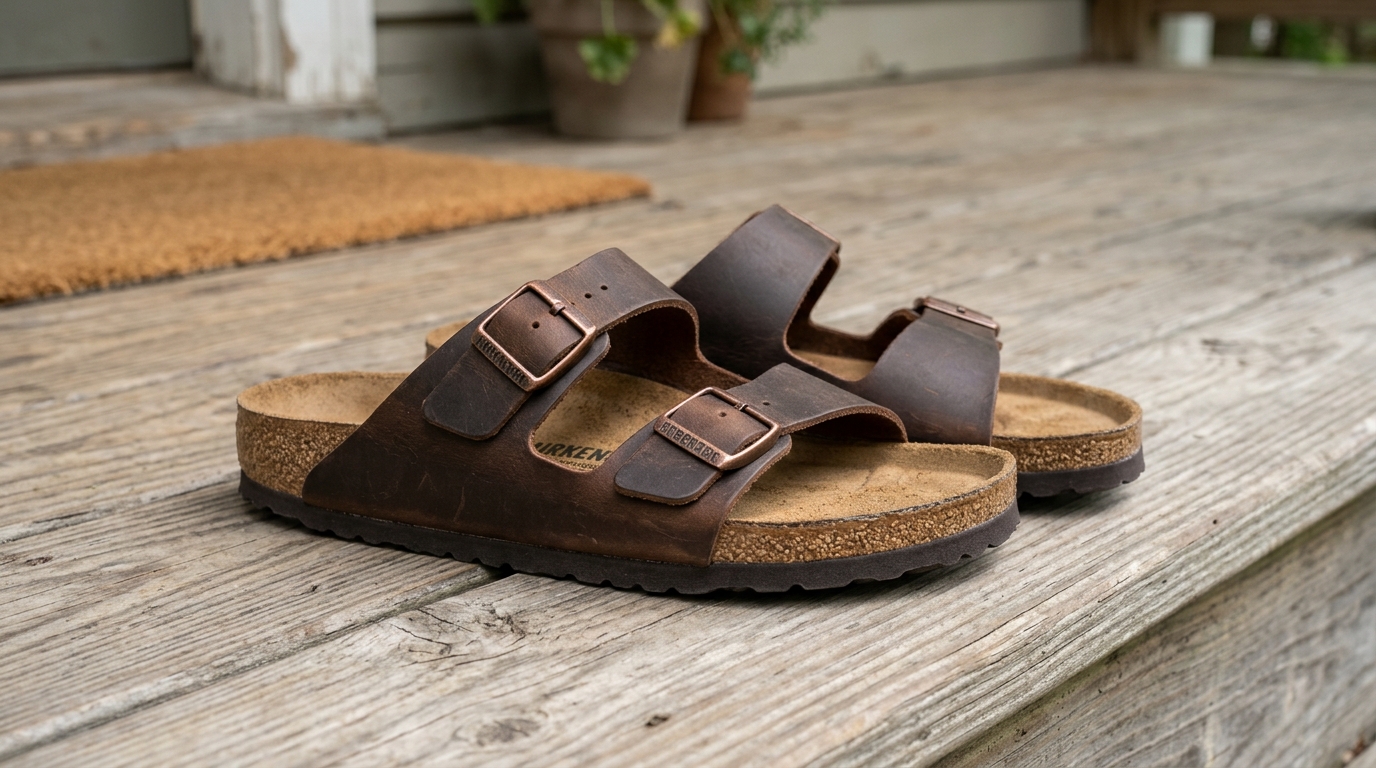
When to get your feet checked after pregnancy
Most postpartum foot changes improve over three to six months as relaxin levels fall and ligaments tighten — though some widening can be permanent, and that is normal. But a few situations need professional attention. Pain that is sharp, sudden, or worsening, especially in one foot, should be checked: it could be a stress fracture, tendon injury, or plantar fasciitis that needs treatment. Persistent numbness or tingling can signal nerve compression that developed during pregnancy.
A podiatrist can assess whether your arches have permanently flattened, fit orthotics, and treat heel pain or ingrown toenails — common after feet change shape. If you had gestational diabetes, your doctor may want to check your feet and blood sugar after delivery too, since diabetes can affect foot health. The key message is simple: your feet did real work during pregnancy, and they deserve proper care afterward. New shoes that fit, gentle strengthening, and a check-up if pain lingers will get you back on your feet — literally.
Frequently asked questions
Do feet go back to normal size after pregnancy?
Sometimes, but not always. Research shows many women keep slightly longer or wider feet after their first pregnancy because the arches have flattened. A new, larger shoe size can be permanent.
Why do my feet hurt after pregnancy?
Relaxed ligaments, flattened arches, lingering swelling, and the extra walking and standing of new motherhood all contribute. Plantar fasciitis and arch pain are common after delivery.
How long does postpartum foot swelling last?
Most swelling clears within the first one to two weeks after delivery. Some puffiness can linger for several weeks, especially with long days on your feet. Sudden swelling in one leg needs prompt medical attention.
Should I buy new shoes after pregnancy?
Yes — get your feet measured and buy shoes that fit your current size and shape. Supportive shoes with arch support and cushioning will help your feet recover far more than squeezing into old shoes.
When should I see a doctor about feet after pregnancy?
See a doctor for severe or worsening pain, swelling in one leg only, numbness that persists, a red or hot foot, or pain that has not improved several months after delivery.
Sources
- Mayo Clinic — Postpartum Care: What to Expect
- Cleveland Clinic — Feet Changes During and After Pregnancy
- NHS — Your Body After Birth
This article is for information only and is not medical advice. If your foot pain is severe, sudden, or not improving, talk to a healthcare professional for a proper diagnosis.