Foot pain menopause is far more common than most women expect — and it is not just in your head. As estrogen levels fall during perimenopause and menopause, tendons and ligaments lose some of their elasticity, the fat pads under your feet thin out, and the arches can flatten or spread. The result is aching heels, sore arches, stiffer joints, and feet that seem to have grown a size. Add in weight changes, hot-flush night sweats that disturb sleep, and joints that feel creaky in the morning, and your feet can end up carrying the whole burden of the menopause transition. The good news is that foot pain in menopause is manageable: supportive shoes, simple strengthening exercises, and attention to bone and joint health go a long way.
See a doctor promptly if you notice any of these:
- Sudden, severe foot pain or swelling with no clear cause
- A foot that is red, hot, and swollen, especially with fever
- Numbness, tingling, or burning pain that does not go away
- A fracture from a minor fall, or pain after a small trip or stumble
- Foot pain that keeps getting worse despite rest and supportive shoes
Why menopause changes your feet
Estrogen does more than regulate periods — it helps keep connective tissue springy and supports collagen, the protein that gives tendons and ligaments their strength. When estrogen drops, the plantar fascia (the thick band under your foot), the Achilles tendon, and the small ligaments that hold your arch together all become a little less elastic and a little more prone to irritation. That is one reason plantar fasciitis and Achilles tenderness often appear or flare up around menopause, even in women who have never had foot trouble before.
At the same time, the natural fat pads under the ball of the foot and the heel thin with age, and menopause can accelerate the change. Those pads are your built-in cushioning — when they thin, every step sends more impact straight into bone and joint. Your arches may also spread and flatten, because the ligaments holding them up have loosened. Many women find their feet are wider and slightly longer than they were in their forties, and shoes that fit for years suddenly pinch. This is a real structural change, not vanity — and it means your old shoes may genuinely no longer fit.
Weight gain around menopause adds load to feet that are already less cushioned. Meanwhile, falling estrogen affects bone density, raising the risk of osteoporosis — and feet are not exempt. A stress fracture in the foot from an ordinary walk is uncommon but possible when bones have thinned, so new, sharp foot pain after minimal activity deserves a check. Joint pain is also common: osteoarthritis can worsen as estrogen falls, and stiff, achy toe joints in the morning are a frequent complaint.
What helps menopausal foot pain
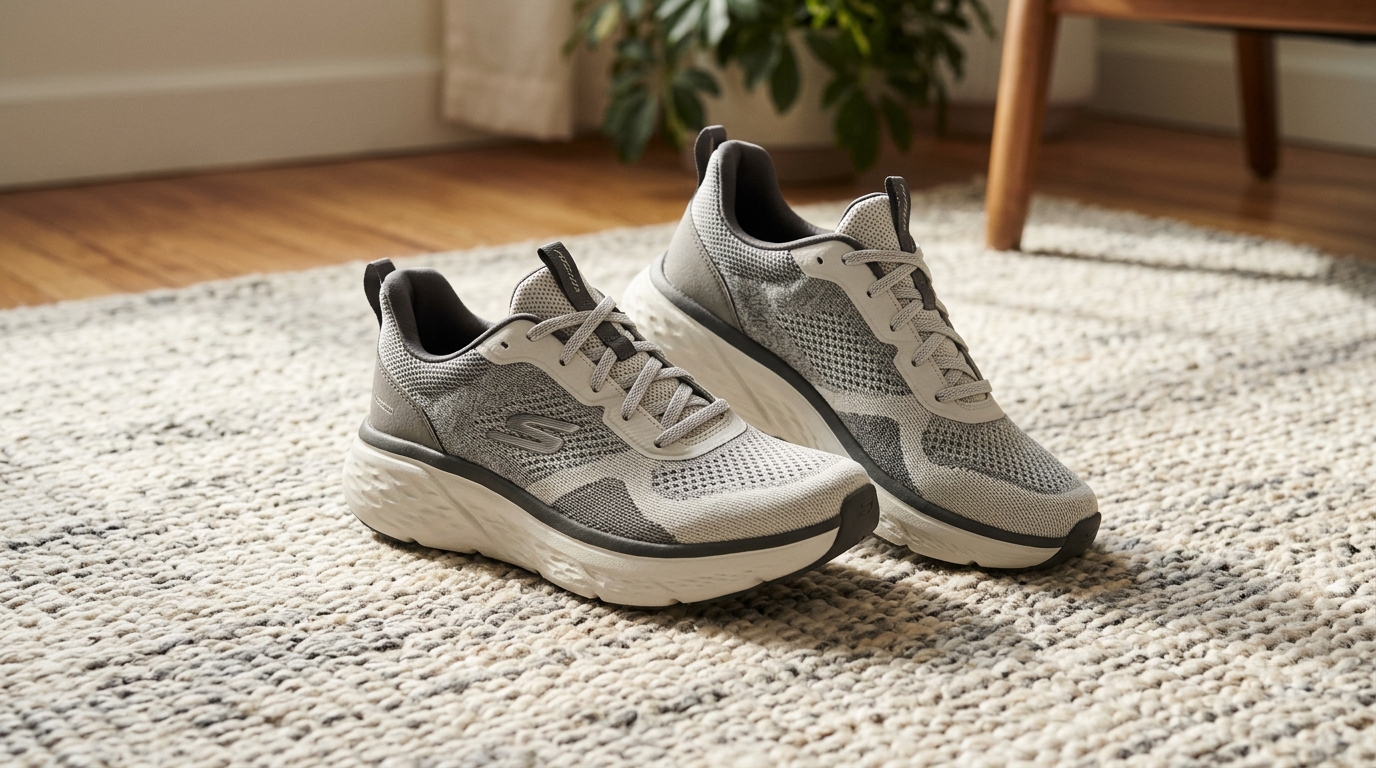
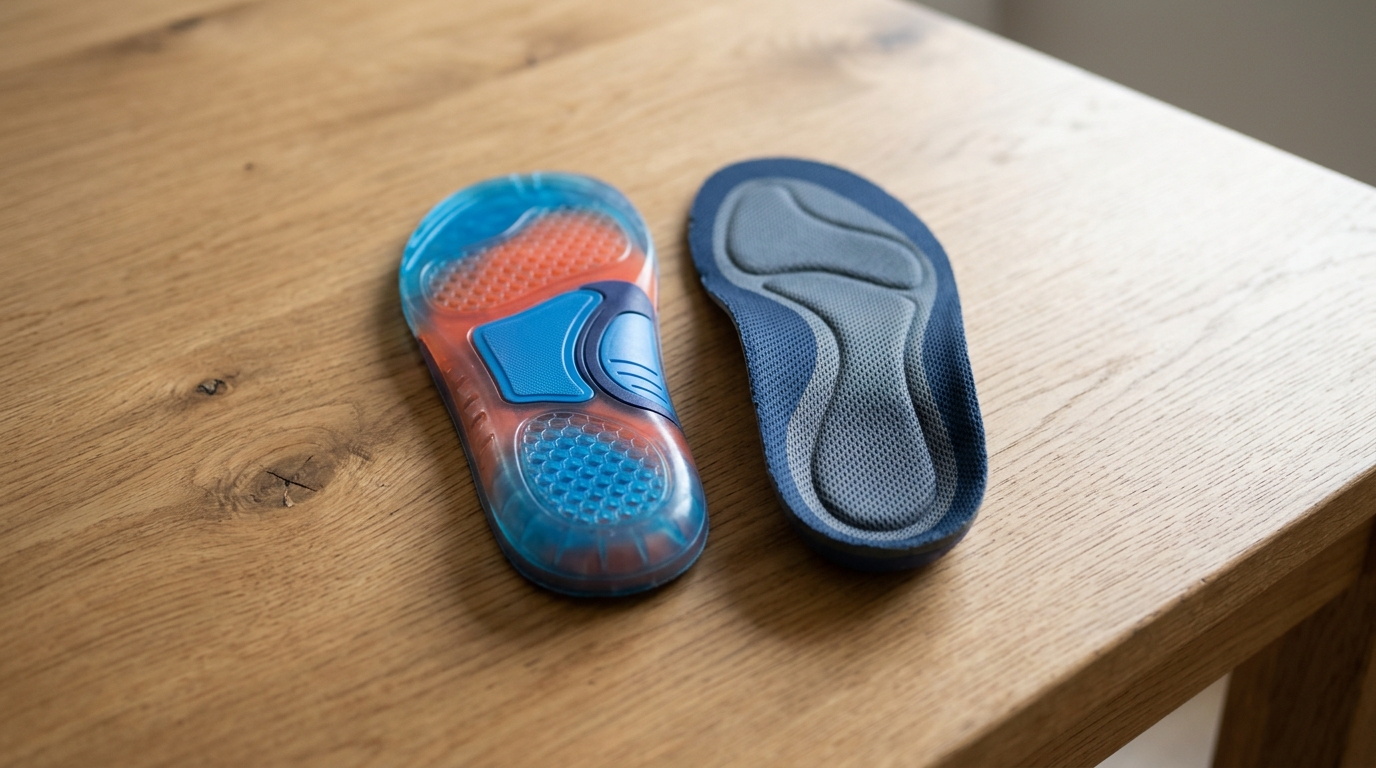
Start with your shoes, because this is where the biggest, fastest relief comes from. Get your feet measured — both length and width — and accept that you may need a wider fitting or a half-size up. Look for shoes with a cushioned sole, a supportive arch, a roomy toe box, and a low, stable heel. Avoid flat, unsupportive shoes and high heels, which push pressure onto the forefoot and stiffen the Achilles tendon. If you are on your feet all day, consider a cushioned insole or a custom orthotic, especially if your arch has flattened.
Strengthen the small muscles in your feet. Simple exercises make a real difference: scrunch a towel with your toes, pick up marbles with your toes, roll a ball under your arch, and stretch your calves against a wall. Do calf stretches daily — tight calves pull on the Achilles tendon and the plantar fascia, and menopause-related stiffness makes this worse. A frozen water bottle rolled under the arch can soothe plantar fasciitis pain, and a night splint can help if morning heel pain is severe, though it is worth discussing with a doctor or podiatrist first.
Look after your bones and joints too. Weight-bearing exercise like walking, dancing, or light resistance training supports bone density and keeps joints moving. Make sure you get enough calcium and vitamin D — your doctor can check your levels and advise on supplements. If you are considering hormone replacement therapy, foot pain is not the main reason to start it, but it is worth mentioning to your doctor, since HRT can ease joint aches for some women. And keep moving: gentle daily activity beats long periods of sitting, which stiffen joints and weaken the muscles that support your arches.
When to get your feet checked
Most menopause-related foot pain improves with better shoes, stretching, and strengthening over a few weeks. But some situations need a professional look. If pain is sudden, severe, or follows a minor fall, get checked — stress fractures and tendon injuries are easier to treat early. Persistent numbness or burning can signal nerve problems, including those linked to blood sugar changes, and should not be ignored. And if your feet keep swelling, or one foot looks different from the other, see your doctor.
A podiatrist can assess how your arches and gait have changed, fit orthotics, and treat problems like bunions or corns that often worsen as feet spread. A GP can check bone density if you are concerned about osteoporosis, and review medications that might contribute to swelling or joint pain. You do not have to simply accept sore feet as part of menopause — there are real, practical fixes, and a short appointment can identify which ones will help you most.
Frequently asked questions
Does menopause cause foot pain?
Yes, it can. Falling estrogen makes tendons and ligaments less elastic, thins the fat pads under the feet, and can flatten the arches — all of which make foot pain more likely.
Why do my feet feel bigger during menopause?
As ligaments loosen, the arches can spread and flatten, making feet longer and wider. Many women need a wider shoe or a half-size up during and after menopause.
Can menopause cause plantar fasciitis?
Menopause does not directly cause plantar fasciitis, but the loss of tendon elasticity and cushioning makes it more likely to develop or flare up during this stage of life.
What shoes are best for menopausal foot pain?
Cushioned, supportive shoes with a roomy toe box, good arch support, and a low heel work best. Get your feet measured, since your size may have changed.
When should I see a doctor about foot pain in menopause?
See a doctor for sudden or severe pain, pain after a minor fall, persistent numbness, swelling in one foot, or pain that keeps worsening despite supportive shoes and rest.
Sources
- Mayo Clinic — Menopause: Symptoms and Causes
- Cleveland Clinic — Plantar Fasciitis and Menopause
- NHS — Menopause
This article is for information only and is not medical advice. If your foot pain is severe, sudden, or not improving, talk to a healthcare professional for a proper diagnosis.