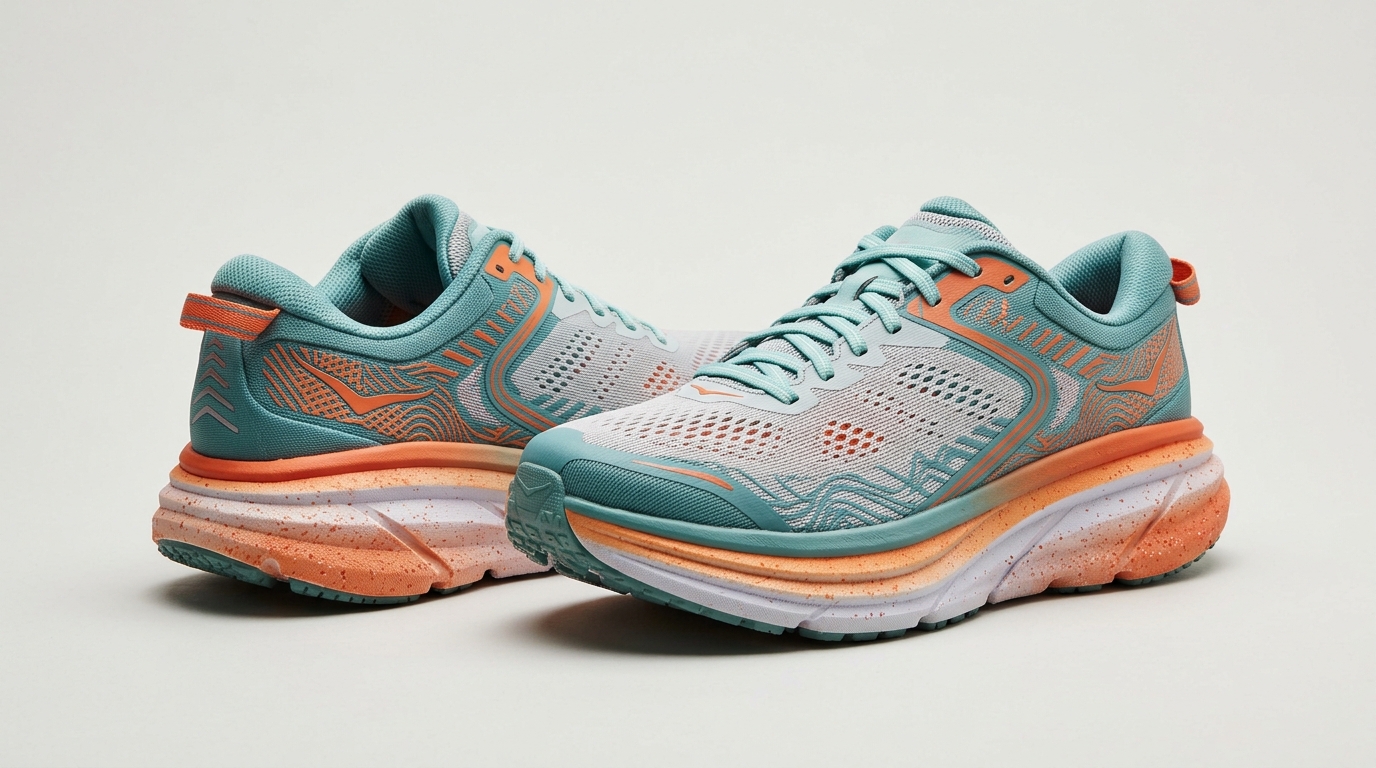
Shin splints feet pain is that aching soreness along the front or inside of your lower leg, just above the ankle — and your feet play a big part in it. Shin splints feet problems usually start when the muscles and tendons around the shin bone get overloaded, often because flat feet or overpronation make the lower leg work harder with every step. Rest, ice, better shoes, and a gradual return to activity ease it for most people within a few weeks. The trick is not to rush back too fast — shin splints love a comeback. If the pain is severe, focused on one small spot on the bone, or does not improve with rest, see a doctor promptly — it could be a stress fracture, not shin splints.
See a doctor promptly if you notice any of these:
- Pain focused on one small spot on the shin bone, or pain that is severe
- Shin pain that does not improve after two to three weeks of rest
- Swelling, redness, or warmth along the shin
- Numbness, tingling, or weakness in the foot or lower leg
- Pain that is present even at rest or wakes you at night
What shin splints are — and why your feet matter
Shin splints is the everyday name for medial tibial stress syndrome: irritation of the muscles, tendons, and bone tissue around the shin bone (the tibia). It is not one single injury but a family of overuse problems, all with the same signature — a dull ache along the lower leg that builds during activity and eases with rest.
Your feet matter because they set the load on the shin. When you run or walk, the muscles along the front and inside of the shin control how the foot lands and rolls. If your feet overpronate — rolling inward too far, which is common with flat feet — those muscles work overtime to stabilise the ankle with every step.
What causes shin splints
The single most common cause is doing too much, too soon. A new running routine, a jump from walking two miles to six, or a sudden return to sport after months off — all overload tissues that have not had time to adapt. The shin bone and its surrounding muscles can handle a lot, but they need a gradual build-up.
Foot mechanics come next. Flat feet and overpronation are the biggest foot-related risk factors, because they force the shin muscles to work harder. High arches raise the risk too, for the opposite reason: the foot is rigid, shock absorption is poor, and more impact travels up the leg. Weak calves and hips add to the problem, because they let the leg collapse inward. Even the way you run matters — overstriding, or landing heavily on your heels with a straight leg, sends a bigger jolt up the shin with each step.
What helps shin splints heal
First, ease off the activity that causes the pain. That does not mean sitting still for weeks — gentle walking, swimming, or cycling keep you moving without pounding the shin. Ice the sore area for ten to fifteen minutes after activity, a few times a day, and take a break from running or hard-surface walking until the ache settles. Most mild cases improve noticeably within two to three weeks if you respect the pain instead of pushing through it.
Next, look at your shoes. A supportive shoe with good cushioning and arch support takes load off the shin, and insoles can help if your feet roll inward. If you run, get your gait checked at a specialist running shop — they can tell you whether you overpronate and which shoe type suits you. Replace worn-out trainers: running shoes last 300 to 500 miles, and once the cushioning is gone, your shins pay the price.
Strengthening and stretching finish the job. Calf raises build the muscles that control the foot and ankle, and toe-tapping exercises — lifting the front of the foot up and down while seated — target the muscles along the front of the shin directly. Stretch your calves regularly, because tight calves increase the pull on the shin bone.
A daily routine to prevent shin splints
Prevention is mostly about habits. Before activity, warm up: five minutes of easy walking, then calf stretches and a few sets of toe taps. Wear the right shoes, with insoles if your feet need them. Vary your surfaces when you can: mix in grass, trails, or a treadmill instead of doing every run on concrete.
After activity, stretch your calves and ice your shins if they feel tender. Pay attention to the early warning signs: a mild ache at the start of a run that fades as you warm up is the classic first symptom, and it is your cue to back off for a few days before it becomes a real injury. And if you are starting a new exercise routine, build up gradually — your shins will thank you for the patience, and you will spend far less time on the sidelines.
Frequently asked questions
What causes shin splints in the feet?
They usually start with overuse, often made worse by flat feet or overpronation, which force the shin muscles to work harder. Worn-out shoes, hard surfaces, and a sudden increase in activity are the other common triggers.
How long do shin splints take to heal?
Most mild cases improve within two to three weeks of rest, ice, and better shoes. More stubborn cases can take six weeks or longer. If the pain does not improve after two to three weeks of rest, see a doctor — it may be a stress fracture rather than shin splints.
Should I keep running with shin splints?
Stop running until the pain settles, then return gradually. Running through shin splints often makes them worse and can lead to a stress fracture. Switch to swimming or cycling while you recover.
Do insoles help shin splints?
Yes, especially if your feet overpronate. Arch-support insoles reduce the inward roll of the foot, which takes load off the shin muscles. A gait check at a running shop can tell you whether insoles are likely to help you.
How can I prevent shin splints from coming back?
Build up gradually, wear supportive shoes, run on softer surfaces when you can, and strengthen your calves and shins with calf raises and toe taps. Back off at the first sign of trouble.
Sources
- Cleveland Clinic — Shin Splints: Causes, Symptoms, and Treatment
- Mayo Clinic — Shin Splints: Symptoms and Causes
- American Podiatric Medical Association — Shin Splints and Foot Mechanics
- NHS — Shin Splints: Causes and Treatment
This article is for information only and is not medical advice. If your foot pain is severe, sudden, or not improving, talk to a healthcare professional for a proper diagnosis.