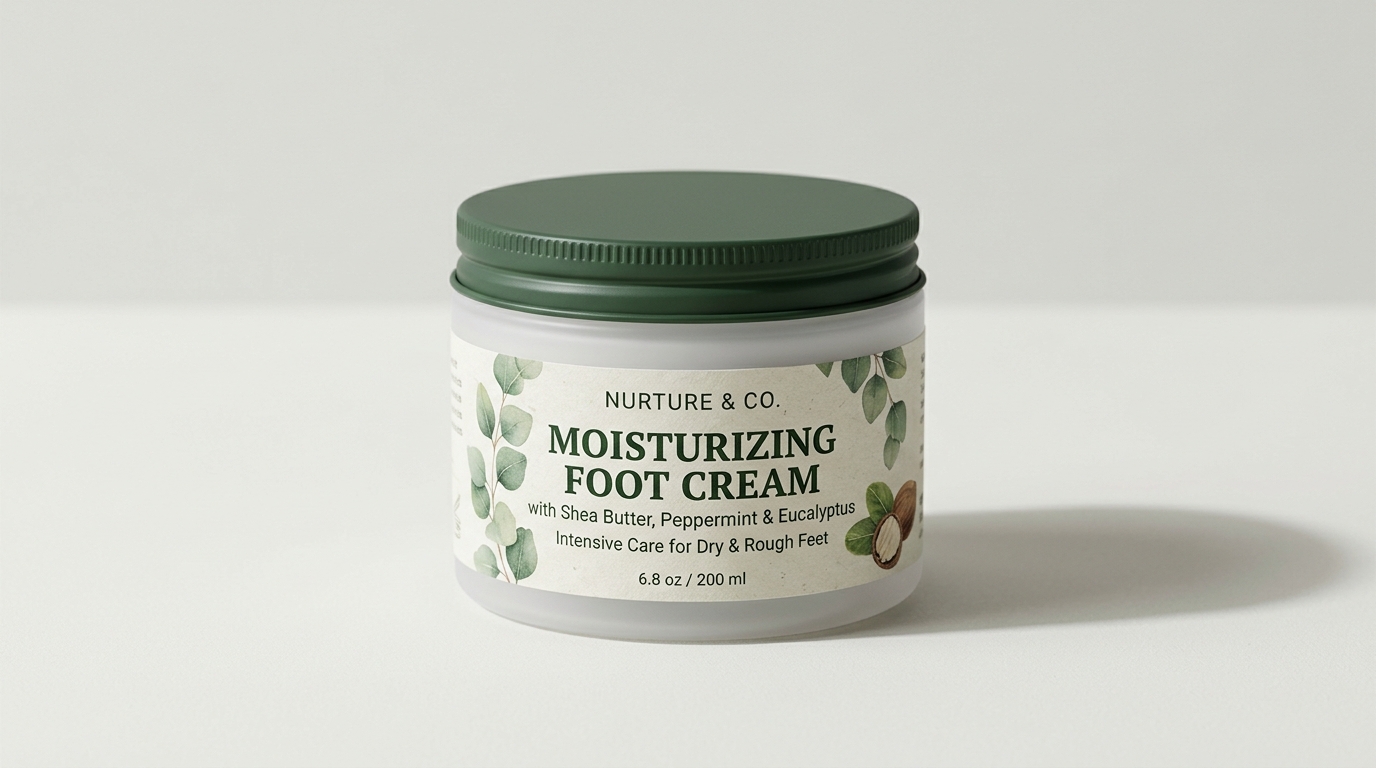
Dry feet in winter are caused by cold, dry air outside and heated, low-humidity air inside — a combination that strips moisture from your skin faster than your body can replace it. Hot showers and harsh soaps make it worse, leaving rough, flaky skin and, all too often, painful cracked heels. The fix is simple but needs to be consistent: moisturize every day with a thick cream or ointment, keep showers short and lukewarm, and protect your feet from the cold. If cracks are deep, bleeding, or not healing, see a doctor promptly — especially if you have diabetes.
See a doctor promptly if you notice any of these:
- Cracks in the skin that are deep, bleeding, or will not heal
- Redness, warmth, or swelling around a crack, which may mean infection
- Any open sore on the foot, especially if you have diabetes
- Dry, scaly skin that does not improve after a few weeks of moisturizing
- Thick, yellow, or crumbly toenails along with the dry skin, which may be a fungal infection
Why winter dries out your feet
Your skin holds moisture in a thin barrier of natural oils, and cold weather attacks that barrier from two sides. Outside, cold air holds very little moisture, so it pulls water out of your skin. Inside, central heating warms the air but does not add humidity, so your living room can be just as drying as a winter street. The skin on the soles is already thicker and slower to absorb moisture than skin elsewhere.
Hot showers are the second culprit. A long, steaming shower feels wonderful on a cold morning, but hot water strips the skin’s natural oils far faster than lukewarm water does. Add a harsh, heavily fragranced soap or a rough scrub, and you are removing the very barrier your skin needs to stay hydrated. Many people shower hotter and longer in winter without realizing it.
Age and health conditions play a part too. As you get older, your skin produces less oil, so dry feet in winter become more common with each passing year. Diabetes, thyroid problems, and eczema can all make skin drier, and some medicines have dry skin as a side effect. If your feet are dry all year round, mention it to your doctor.
What dry feet look and feel like
Mild dryness starts as rough, slightly flaky skin, usually on the heels and the balls of the feet. You might notice a tight, itchy feeling after a shower, or white lines where the skin has dried out. At this stage it is mostly a comfort problem, but dry skin is less flexible and more likely to crack — and a good moisturizer and a pumice stone can still turn things around quickly.
Severe dryness means deep cracks, called fissures, in the heel. These can be painful with every step, and they can bleed — and an open crack is a doorway for infection. If you have diabetes or poor circulation, get a cracked heel checked — wounds on the feet heal slowly. Do not try to cut away thick, cracked skin yourself.

What actually helps
The single most effective habit is daily moisturizing with the right product. Light lotions are mostly water and evaporate quickly, so choose a thick cream or an ointment instead — look for urea, glycerin, or ceramides on the label, and petroleum jelly for very cracked areas. Apply it right after your shower, while your skin is still slightly damp, and again before bed. For badly cracked heels, a thick layer of ointment under cotton socks overnight works remarkably well.
Change how you wash, too. Keep showers short — five to ten minutes — and use lukewarm water rather than hot. Swap harsh soaps for a gentle, fragrance-free cleanser, and skip the rough scrubs on already dry skin. When you step out, pat your feet dry instead of rubbing them, and moisturize immediately while the skin is still a little damp.
A gentle exfoliation once or twice a week helps the moisturizer do its job. After a shower, when the skin is soft, use a pumice stone or a foot file lightly on the rough patches — never on cracked or broken skin, and never aggressively enough to draw blood. The goal is to remove the dead, flaky layer so the cream can reach the skin underneath. Follow it immediately with moisturizer.
A winter foot care routine
Morning: after your shower, pat your feet dry — especially between the toes — and apply a thick cream to the tops and soles. Put on clean, breathable socks; wool or cotton blends are better than synthetics, which can trap sweat. Wear waterproof boots in snow or slush so your feet stay dry.
Evening: wash your feet with lukewarm water and a gentle cleanser, dry them carefully, and moisturize again. Once or twice a week, add a gentle pumice session on the heels after your shower. If your heels are cracked, apply a thick layer of ointment and wear cotton socks to bed — the socks keep the product on the skin and off your sheets. Check your feet daily for new cracks or redness — every day if you have diabetes. If a crack is deep, bleeding, or not healing after a couple of weeks, book an appointment.
Frequently asked questions
What causes dry feet in winter?
Dry feet in winter are caused by cold, low-humidity air outside and heated, dry air inside. Hot showers, harsh soaps, and ageing skin make it worse, and conditions like diabetes and eczema can add to the problem.
Why do my heels crack in winter?
Heels crack in winter because dry skin loses its flexibility. When you walk, the heel spreads under your weight, and dry, stiff skin splits along the edges.
What is the best cream for dry feet in winter?
Thick creams and ointments work best — look for urea, glycerin, ceramides, or petroleum jelly on the label. Apply them right after a shower while the skin is still damp, and again before bed.
Should I use a pumice stone on dry feet?
Yes, gently, once or twice a week on softened skin after a shower. Use it lightly on rough patches and never on cracked or broken skin. Always follow it with moisturizer straight away.
When should I see a doctor about dry feet?
See a doctor if cracks are deep, bleeding, or not healing, if there is redness, warmth, or swelling around a crack, or if you have diabetes and notice any open sore.
Sources
- Cleveland Clinic — Dry Skin: Causes, Treatment, and Prevention
- Mayo Clinic — Dry Skin: Symptoms and Causes
- American Podiatric Medical Association — Dry Skin and Cracked Heels
- NHS — Dry Skin: Causes and Treatment
This article is for information only and is not medical advice. If your foot pain is severe, sudden, or not improving, talk to a healthcare professional for a proper diagnosis.