Mallet toe causes are usually simple: shoes that squeeze your toes, arthritis, or a muscle imbalance that pulls the end joint of a toe downward. The tip of the toe bends down and will not straighten on its own, so the bent joint rubs against your shoe with every step, causing corns and pain. Most cases improve a lot with roomier shoes, toe pads, and simple stretches — and when they do not, a podiatrist can help. If the toe is red, swollen, hot, or you have diabetes and notice any break in the skin, see a doctor promptly.
See a doctor promptly if you notice any of these:
- Redness, warmth, or swelling around the bent toe joint
- An open sore, blister, or break in the skin on the toe, especially if you have diabetes
- Pain so severe you cannot put weight on the foot
- The toe suddenly becomes much more bent, or you cannot move it at all
- Signs of infection such as pus, spreading redness, or fever
What mallet toe is
Mallet toe is a bend in the last joint of a toe, the one closest to the toenail. The tip of the toe points downward, a bit like the head of a mallet, while the rest of the toe stays fairly straight. It usually affects the second, third, or fourth toe and starts gradually — you might not notice it until a painful corn forms where the bent joint rubs your shoe.
At first, the toe is often still flexible: you can straighten it with your fingers, and it only bends down when you stand or walk. Over time, the tendons can tighten and stiffen, and when the toe can no longer be straightened by hand, it is a rigid mallet toe.
Mallet toe is often confused with hammertoe and claw toe, but they are different. Hammertoe bends the middle joint upward, claw toe bends both joints, and mallet toe bends only the end joint downward. The pads and exercises that help each one differ slightly, so if you are unsure, a podiatrist can tell in a quick examination.
Why it happens
The most common of the mallet toe causes is footwear. Shoes that are too short, too narrow, or have a low, tight toe box squeeze the toes into a bent position for hours every day. High heels make it worse, because they push the foot forward and jam the toes against the front of the shoe. Over time, the muscles and tendons adapt to that cramped position.
Arthritis is another major cause. Rheumatoid arthritis and osteoarthritis can damage the small joints of the toes, weakening the structures that hold them straight. When a joint is inflamed or worn, the tendons pull unevenly and the tip of the toe drops. People with arthritis often develop it in more than one toe at once.
Muscle and nerve problems can cause it too. An imbalance between the muscles that bend the toe and the ones that straighten it — sometimes after a stroke, nerve damage, or an injury — can leave the end joint pulled downward. Diabetes raises the risk, because nerve damage changes how the foot muscles work, and an injury such as stubbing the toe hard can also trigger it.
What helps
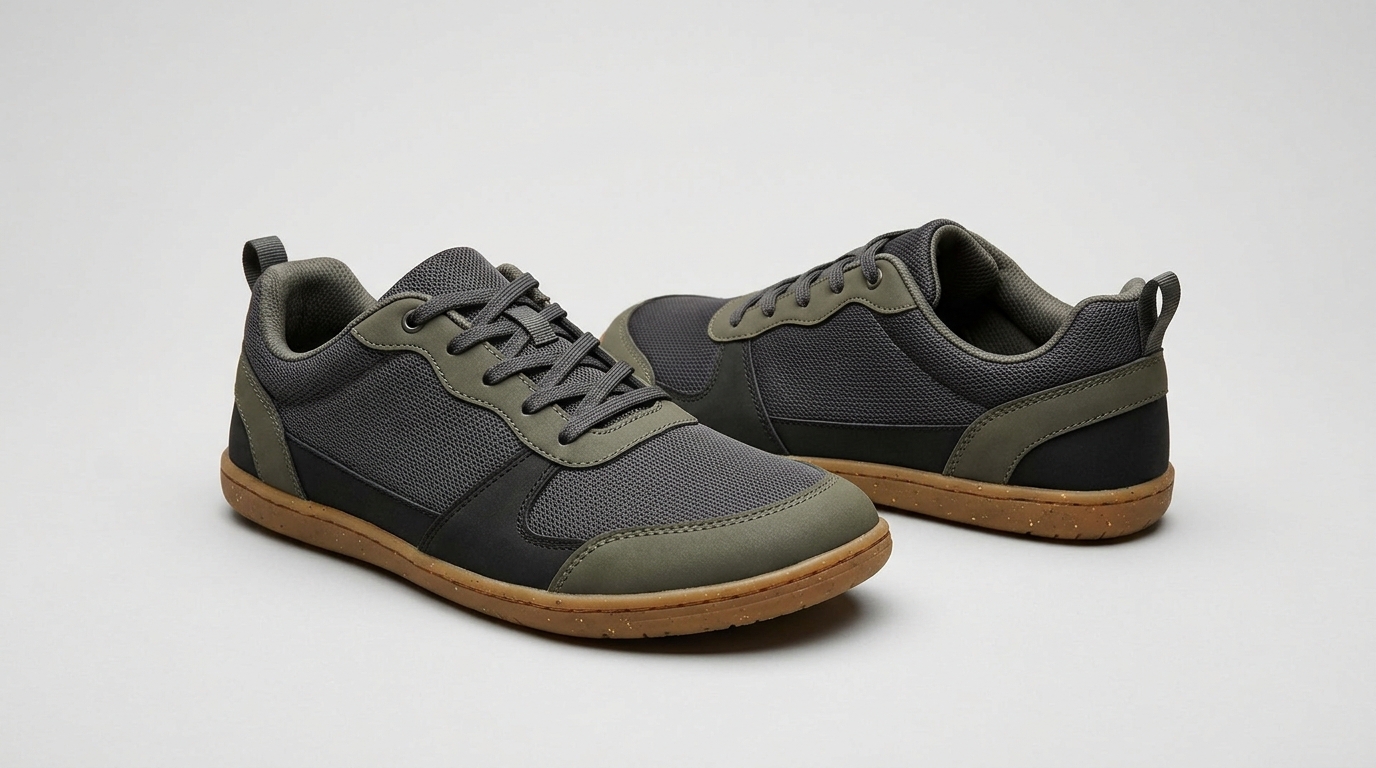
The first step is almost always better shoes. Choose shoes with a wide, deep toe box that lets your toes lie flat and wiggle. Avoid high heels and pointed toes, and leave about a thumbnail’s width of space between your longest toe and the end of the shoe. Many people find their pain drops sharply within a week or two, simply because the bent joint is no longer rubbed raw with every step.
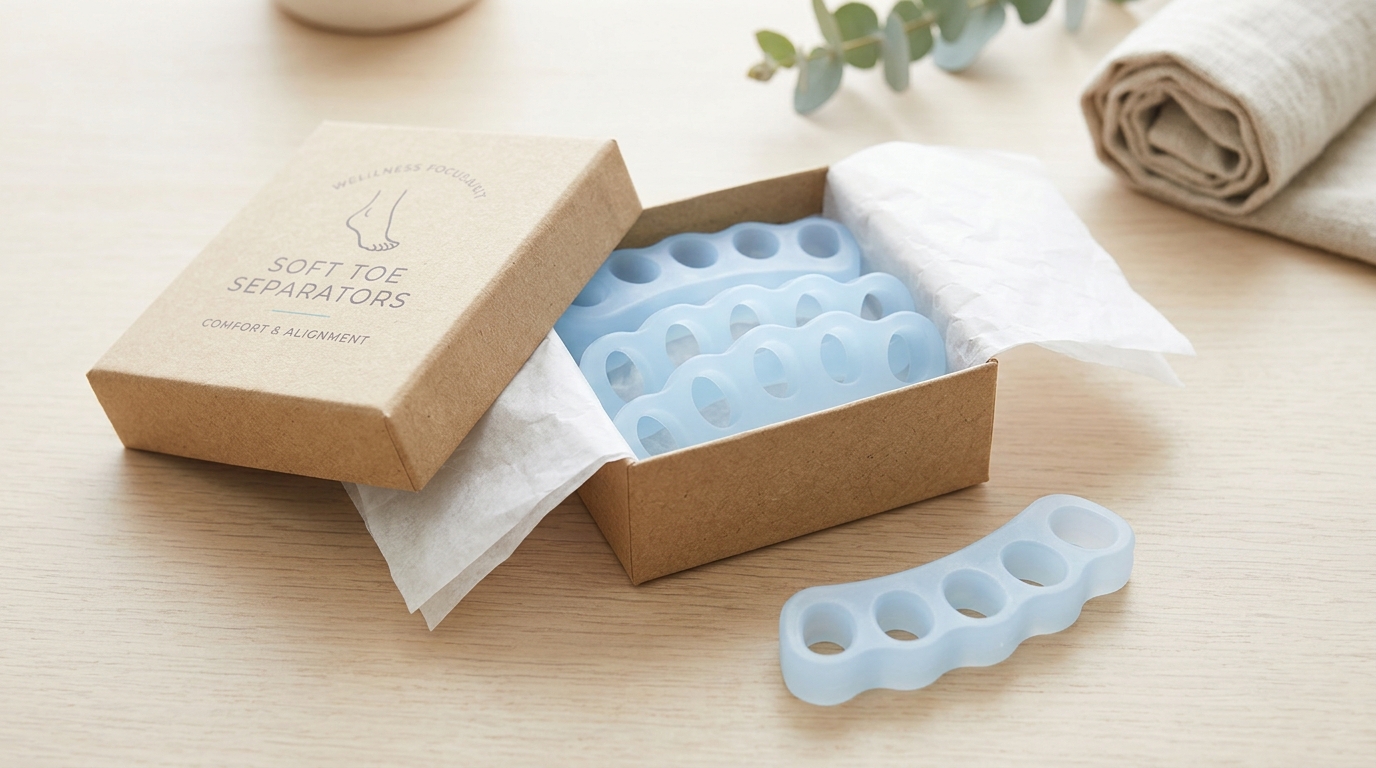
Toe pads and cushions help too. A small pad placed over the bent joint protects it from friction and can stop a corn from getting worse. Silicone toe caps work well when the corn is on the very tip. Avoid corn pads with salicylic acid if you have diabetes or poor circulation — they can damage healthy skin, so ask a podiatrist before using them.
Gentle exercises can keep a flexible mallet toe from getting worse. Try picking up a towel or small marbles with your toes, and stretching the toe straight with your fingers for a few seconds at a time. They will not straighten a rigid toe, but they keep the joint mobile. If the toe is rigid, very painful, or keeps developing sores, a podiatrist may suggest a splint, custom orthotics, or surgery as a last resort.
A daily routine that protects your toes
Each morning, check your toes, especially if you have diabetes. Look for redness, new corns, or any break in the skin, and moisturize the tops of your feet and toes — dry skin cracks easily over a bent joint. Put on clean socks without tight elastic, and choose shoes with a roomy toe box before you head out. During the day, slip your shoes off when you can and stretch your toes straight. If a corn is forming, protect it with a pad rather than cutting it yourself — home cutting is a common cause of infection, particularly for people with diabetes or poor circulation. In the evening, soak your feet in warm (not hot) water, dry them carefully — especially between the toes — and do your stretches. If a sore is not healing, book a podiatrist appointment rather than waiting it out.
Frequently asked questions
What are the main mallet toe causes?
The main mallet toe causes are tight or high-heeled shoes, arthritis that damages the toe joints, muscle or nerve imbalance, diabetes-related nerve damage, and injuries to the toe. Shoes are the most common and most fixable cause.
Can mallet toe be fixed without surgery?
Often, yes. A flexible mallet toe usually improves with roomier shoes, toe pads, and stretching exercises. Surgery is usually only needed when the toe is rigid, very painful, or keeps developing sores that will not heal.
Is mallet toe the same as hammertoe?
No. Mallet toe bends only the end joint of the toe downward, while hammertoe bends the middle joint upward. They respond to slightly different pads and exercises.
Do toe straighteners or splints work?
Splints and toe straighteners can help a flexible mallet toe by holding the joint straight and stretching the tight tendons. They work best worn at night or around the house, and they are unlikely to straighten a toe that has already become rigid.
When should I see a doctor about mallet toe?
See a doctor promptly if the toe is red, swollen, or hot, if there is any open sore on the toe, if the pain stops you walking, or if you have diabetes and notice any change in the toe.
Sources
- Cleveland Clinic — Mallet Toe: Symptoms, Causes, and Treatment
- Mayo Clinic — Hammertoe and Mallet Toe: Symptoms and Causes
- American Podiatric Medical Association — Hammertoes and Mallet Toes
- NHS — Hammer Toe and Mallet Toe: Causes and Treatment
This article is for information only and is not medical advice. If your foot pain is severe, sudden, or not improving, talk to a healthcare professional for a proper diagnosis.