Foot pain in cold weather is very common, and it is not just in your head. Cold temperatures tighten the muscles and tendons in your feet, stiffen arthritic joints, and narrow the blood vessels that keep your toes warm — so feet that feel fine in summer can ache, cramp, or throb all winter. Foot pain in cold weather usually eases with warm, supportive footwear, gentle movement, and keeping your feet dry, but sudden colour changes, numbness that does not fade, or open sores in the cold are reasons to see a doctor promptly.
See a doctor promptly if you notice any of these:
- Toes that turn white, blue, or black and do not warm up again
- Numbness or tingling that lasts after your feet are warm
- Foot pain that is severe, sudden, or follows a fall on ice
- Open sores, blisters, or skin that will not heal in cold weather
- Foot pain with fever, swelling in one leg, or chest discomfort
Why cold weather makes feet hurt
Your feet are a long way from your heart, so they feel the cold first. When temperatures drop, your body narrows the blood vessels in your hands and feet to protect your core, which means less warm blood reaches your toes. That is why your feet go cold and numb on a winter walk — and why they can ache as the blood flows back in. If you already have poor circulation, diabetes, or Raynaud’s phenomenon, this effect is much stronger.
Cold also makes soft tissue stiffer. Muscles, tendons, and ligaments lose some of their flexibility in the cold, so the plantar fascia under your foot and the Achilles tendon behind your ankle tighten up overnight or after sitting in a chilly room. That is why the first steps in the morning can feel so painful in winter, even if the same steps felt fine in July. Joints with arthritis stiffen in the same way, and many people notice their foot and ankle arthritis flares when the temperature falls.
Then there is the way winter changes how you move. You walk more carefully on icy pavements, you spend more time sitting indoors, and you swap light summer shoes for heavy boots. All of that changes your gait and loads your feet differently. Stiff, unsupportive winter boots can squeeze the forefoot, while a sudden return to activity after a lazy, cold weekend can overload tendons that have gone quiet.
Common winter foot problems
Chilblains are one of the classic cold-weather complaints. They are small, itchy, red or purple swellings on the toes that appear after your feet get cold and then warm up too quickly. They are painful rather than dangerous for most people, but they can crack and become infected, so resist the urge to scratch them and keep the skin moisturised.
Cramps and stiffness are just as common. Cold muscles cramp more easily, and the small muscles inside the foot are no exception. A foot cramp that wakes you at night in January is often just cold, tight muscles — though if cramps are frequent or come with swelling, it is worth mentioning to your doctor.
Finally, watch out for dry, cracked skin. Cold air and central heating strip moisture from the skin, and the heels are usually the first to crack. Deep cracks hurt with every step and can let infection in, especially if you have diabetes. Moisturising daily and wearing socks that wick sweat away make a real difference.
What helps your feet in winter
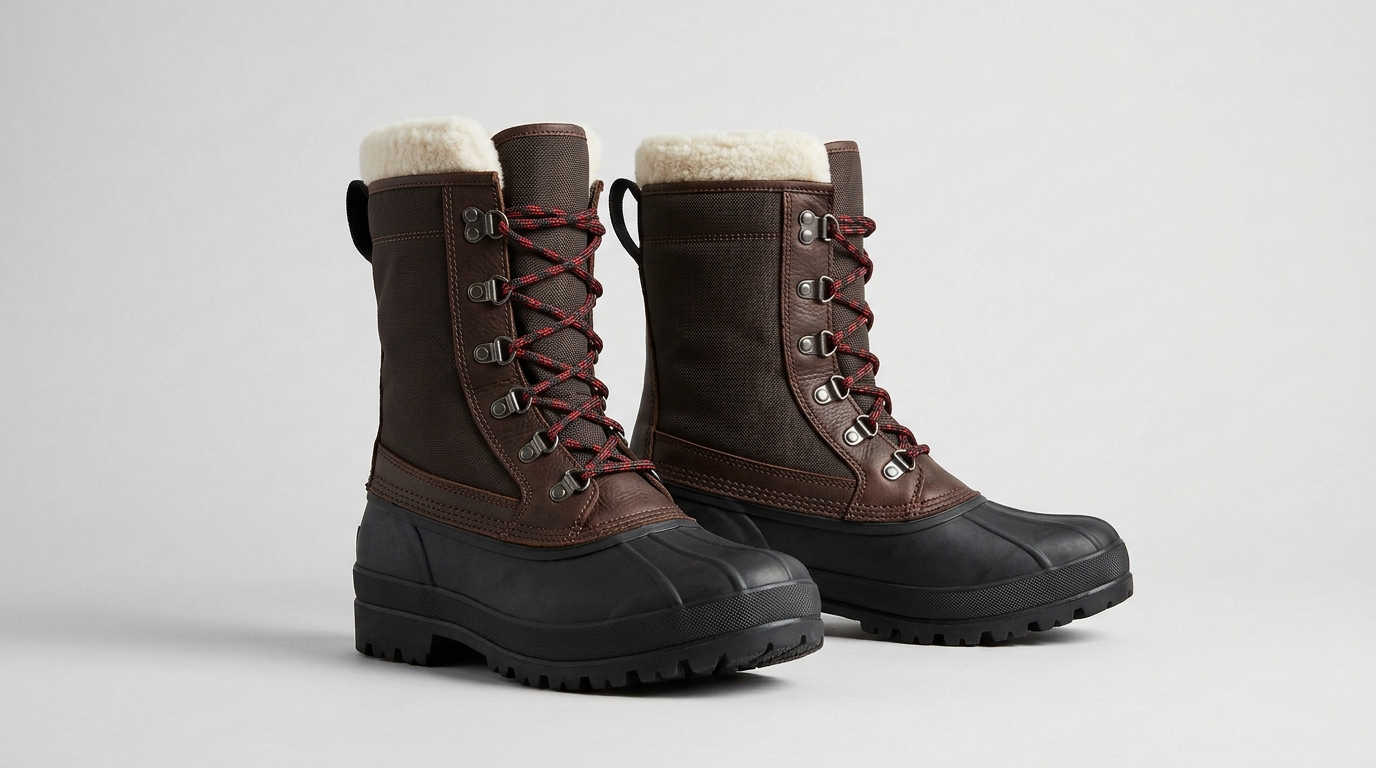
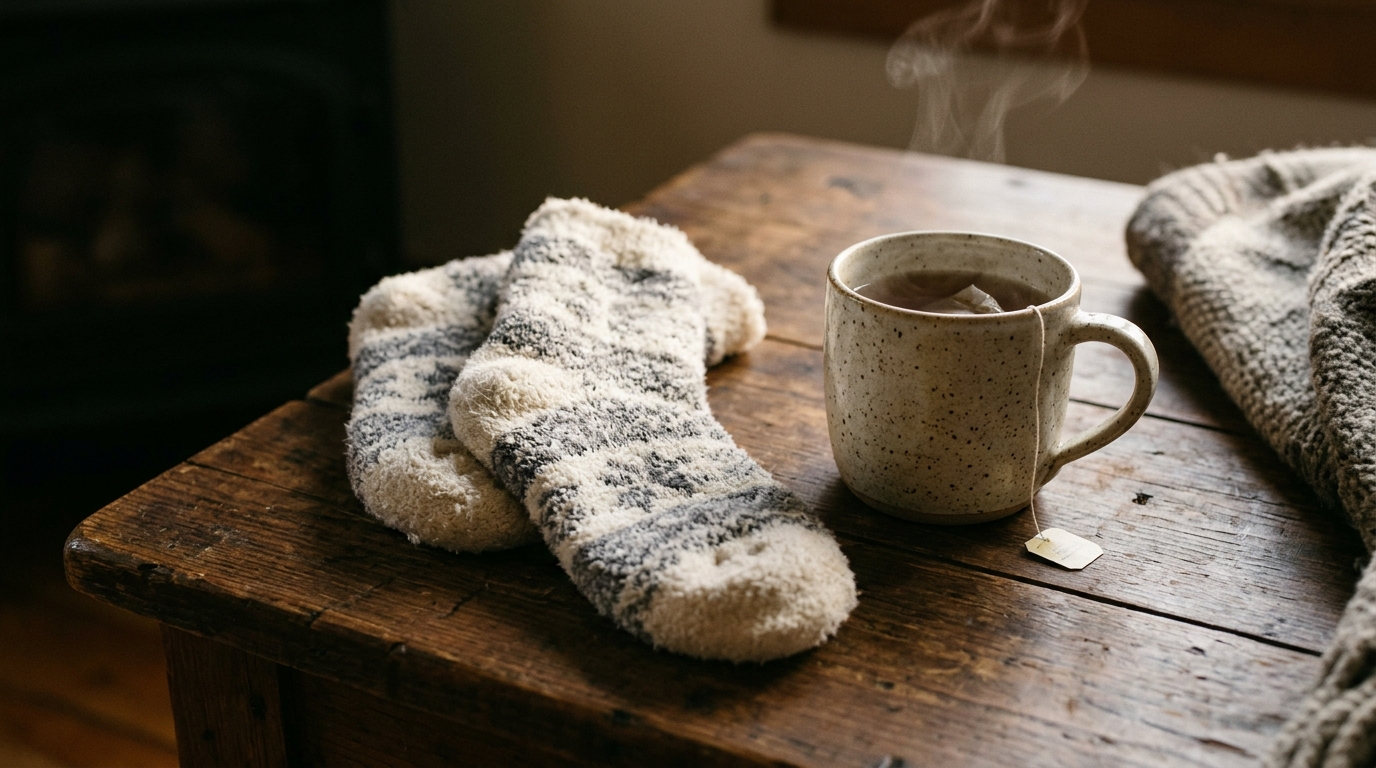
Start with warmth. Wear warm, well-fitting socks — wool or moisture-wicking blends beat cotton, which stays damp and cold. Choose winter boots with room for your toes, good arch support, and a grippy sole so you are not tensing your feet with every step on ice. If your feet sweat inside boots, change your socks during the day so they stay dry.
Keep your feet moving. Gentle stretching before you head out loosens the plantar fascia and Achilles tendon, and a short walk or some ankle circles indoors keeps blood flowing. When you come in from the cold, warm your feet gradually — lukewarm water or a blanket, not a hot radiator or a very hot bath, which can trigger chilblains.
Look after your skin and your shoes. Moisturise your feet every evening, paying attention to the heels, and check your feet regularly if you have diabetes or poor circulation. Replace winter boots when the tread wears smooth or the support collapses, just as you would with summer shoes. And if winter foot pain keeps coming back, or a sore will not heal, get it checked — cold-weather pain is common, but it should not be ignored.
Frequently asked questions
Why do my feet hurt more in cold weather?
Foot pain in cold weather happens because cold narrows the blood vessels in your feet, stiffens muscles, tendons, and joints, and changes the way you walk on icy or uneven ground. All three effects together make winter a hard season for feet.
Can cold weather cause foot cramps?
Yes. Cold muscles cramp more easily, and the small muscles in the foot are especially sensitive. Keeping your feet warm, stretching gently, and staying hydrated can reduce winter cramps.
What are chilblains, and are they serious?
Chilblains are itchy, painful red or purple swellings on the toes caused by cold followed by rapid rewarming. They usually heal on their own, but cracked or infected chilblains need medical attention.
Should I warm cold feet quickly?
No — warm them gradually. Lukewarm water or a blanket is best. Very hot water or direct heat from a radiator can trigger chilblains and, for people with diabetes or poor circulation, can cause burns they cannot feel.
When should I see a doctor for winter foot pain?
See a doctor if your toes turn white, blue, or black and stay that way, if numbness lasts after warming up, if you have open sores that will not heal, or if the pain is severe or keeps getting worse.
Sources
- Cleveland Clinic — Why Do My Feet Hurt in Cold Weather?
- Mayo Clinic — Chilblains: Symptoms and Causes
- NHS — Chilblains: Causes and Treatment
- American Podiatric Medical Association — Winter Foot Care
This article is for information only and is not medical advice. If your foot pain is severe, sudden, or not improving, talk to a healthcare professional for a proper diagnosis.