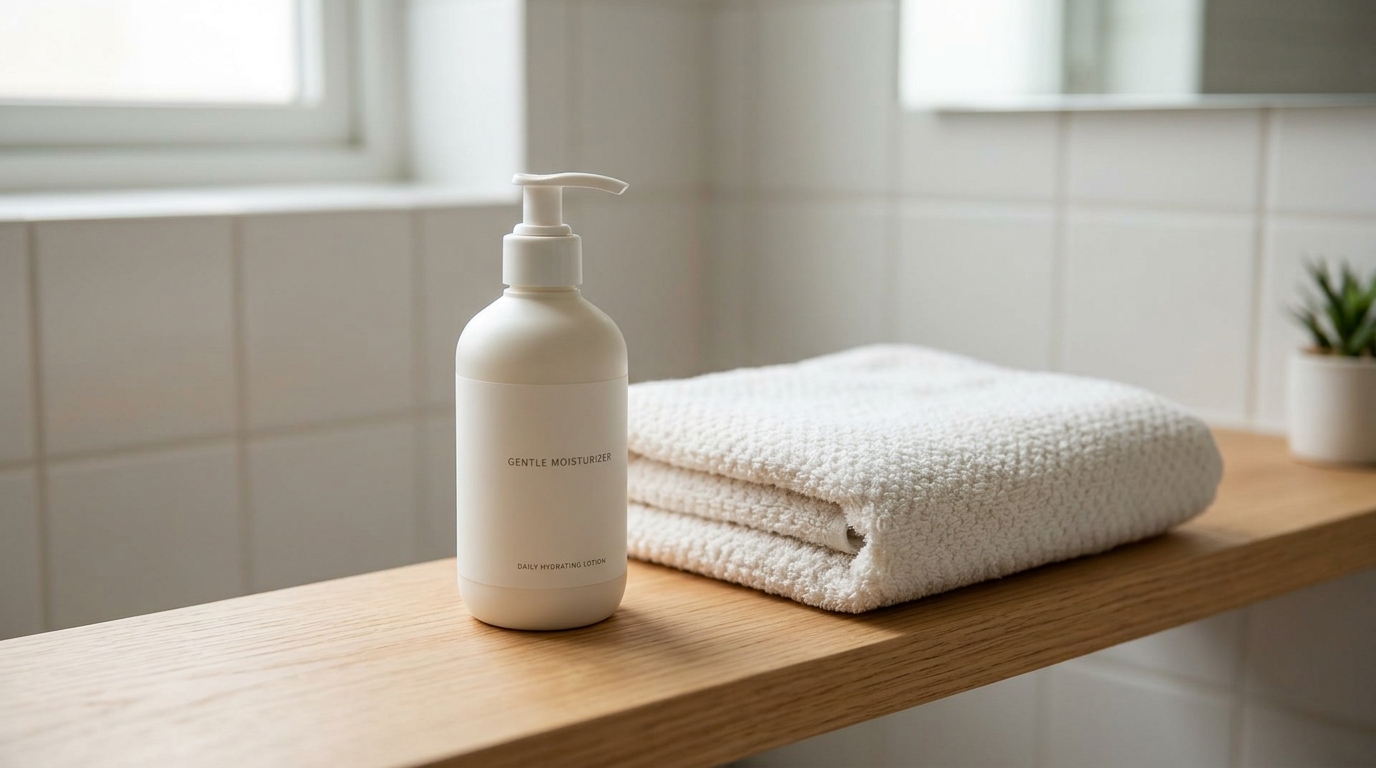
Peeling skin on feet is usually caused by dry skin, athlete’s foot, sunburn, or skin shedding after a blister or irritation — and most cases are harmless and easy to manage at home. The key is figuring out which cause fits your situation: dry, flaky peeling with no itching points to dry skin, while itchy, red peeling between the toes points more toward athlete’s foot. Gentle moisturising, avoiding harsh soaps, and wearing breathable shoes can help a lot. But peeling that spreads, blisters, cracks open, or comes with swelling or a bad smell deserves a clinician’s look.
See a doctor promptly if you notice any of these:
- Peeling that spreads rapidly, blisters, or forms open cracks that bleed
- Redness, warmth, swelling, or pus around the peeling area, which may signal infection
- Peeling with a strong odour, or between toes that stays moist and raw
- Peeling that doesn’t improve after two weeks of consistent home care
- Peeling plus a foot wound or ulcer that won’t heal, especially if you have diabetes
What peeling skin on feet is and why it happens
Peeling skin on your feet is your skin shedding its outer layer faster than usual. Skin naturally renews itself all the time, but when something irritates or dries it out, the shedding becomes visible — flakes, sheets, or patches that lift away, sometimes leaving tender skin underneath. It can show up on the soles, the tops of the feet, around the heels, or between the toes, and the location often hints at the cause.
Dry skin is the simplest and most common cause. Feet have fewer oil glands than other parts of the body, and they take a beating: hot showers, harsh soaps, barefoot walking on hard floors, and dry winter air all strip moisture away. Athlete’s foot is the other big one — a fungal infection that thrives in warm, damp environments like sweaty shoes and locker rooms. It typically starts between the toes with itching, redness, and peeling, and it can spread to the soles, where the skin becomes dry, scaly, and flaky.
Sunburn is an easy one to miss. The tops of your feet get a lot of sun in sandals, and sunburned skin peels as it heals — sometimes dramatically, a few days after the burn. Skin conditions like eczema and psoriasis can also cause peeling: eczema often brings itching and red patches, while psoriasis tends to produce thicker, silvery scales. And sometimes peeling follows a blister or friction injury — once the blister roof comes off, the skin underneath sheds as it heals.
What helps peeling skin on feet
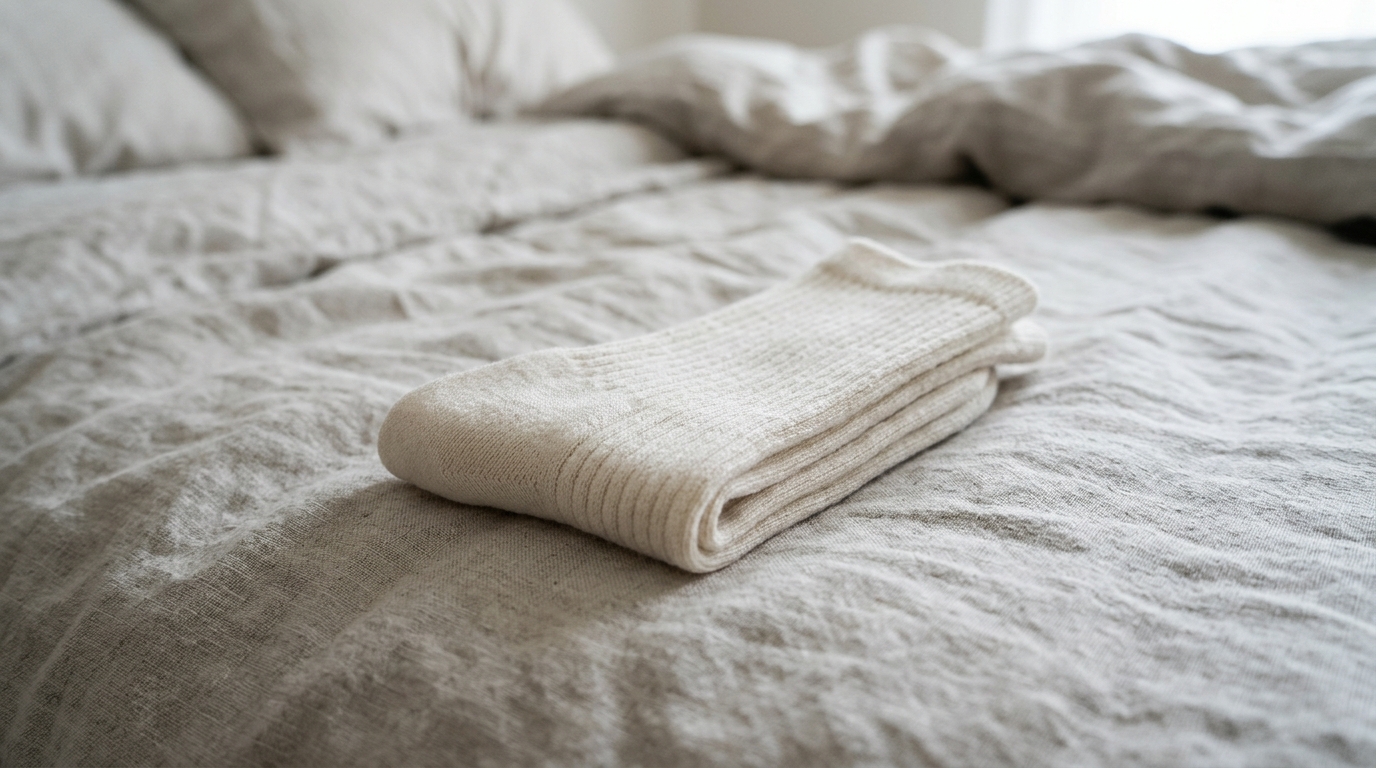
For plain dry skin, moisturising is the workhorse. The Cleveland Clinic recommends thick, fragrance-free moisturisers or ointments — creams and petroleum-based products hold moisture in better than thin lotions, which tend to evaporate. The best time to apply is right after a shower, when the skin is still slightly damp, and before bed is a good second window: slather on a thick cream and wear clean cotton socks overnight to lock it in.
If athlete’s foot is the likely cause, the approach changes. The Mayo Clinic notes that over-the-counter antifungal creams, sprays, or powders are usually effective for athlete’s foot, and that keeping feet clean and dry matters as much as the medication — fungi love warm, damp spaces. Wash your feet daily, dry carefully between the toes, wear breathable shoes and moisture-wicking socks, and change socks if they get sweaty.
For sunburn peeling, the rule is simple: don’t pull or pick at the skin. Let it shed on its own, keep the area moisturised with a gentle, fragrance-free product, and stay out of the sun while it heals — peeling skin is more vulnerable to further burning. For eczema or psoriasis-type peeling, gentle moisturising helps too, but these conditions often need a clinician’s guidance for proper treatment, since over-the-counter creams alone may not be enough.
What doesn’t help is aggressive exfoliation. Scrubbing peeling skin raw, using harsh foot files on tender areas, or peeling off sheets of skin by hand can damage the new skin underneath and open the door to infection.
A daily routine for healthier foot skin
In the morning, wash your feet with lukewarm water and a gentle cleanser, then dry them thoroughly — especially between the toes, where trapped moisture feeds fungus.
During the day, choose shoes that let your feet breathe, and change out of sweaty socks when you can. If you spend time at a pool or gym, wear sandals in shared showers.
In the evening, after your shower, moisturise while your skin is still slightly damp. If your heels are rough, a thick cream plus cotton socks overnight works wonders. Consistency beats intensity: a little care every day keeps peeling from coming back.
Frequently asked questions
Is peeling skin on feet contagious?
It depends on the cause. Dry skin and sunburn peeling are not contagious at all. Athlete’s foot, however, is a fungal infection and can spread through shared towels, shoes, floors, and showers — so if your peeling is itchy and between the toes, avoid sharing footwear and wear sandals in communal areas.
Should I peel off the loose skin?
No — let it come off on its own. Pulling at peeling skin can tear the healthy skin underneath, cause pain, and open a route for infection. If a flap of skin is catching on socks, you can trim it carefully with clean scissors, but don’t tug or rip it away.
How long does peeling skin on feet take to heal?
For dry skin or sunburn, you should see improvement within a week or two of consistent moisturising and gentle care. Athlete’s foot usually responds to antifungal treatment within two to four weeks. If peeling hasn’t improved after two weeks of steady home care, or if it’s getting worse, it’s time to get it checked.
Can peeling skin on feet be a sign of something serious?
Usually not — most causes are mild and treatable. But peeling that spreads rapidly, blisters, cracks open and bleeds, or comes with swelling, pus, or a bad smell can signal infection or another skin condition that needs medical attention. People with diabetes should be especially cautious, since foot skin problems can escalate more quickly.
What’s the best moisturiser for peeling feet?
Thick, fragrance-free creams and ointments work best — products containing urea, ceramides, or petroleum jelly are good choices because they lock moisture in and soften rough skin. Thin lotions tend to evaporate too quickly to help much. Apply after showering while skin is slightly damp, and wear cotton socks overnight for deeper absorption.
Sources
- Cleveland Clinic — Dry Skin: Causes and Treatment
- Mayo Clinic — Athlete’s Foot: Diagnosis and Treatment
- American Academy of Dermatology Association — Dry Skin Relief and Athlete’s Foot
This article is for information only and is not medical advice. If your foot peeling spreads, blisters, cracks open, or doesn’t improve with home care, talk to a healthcare professional.