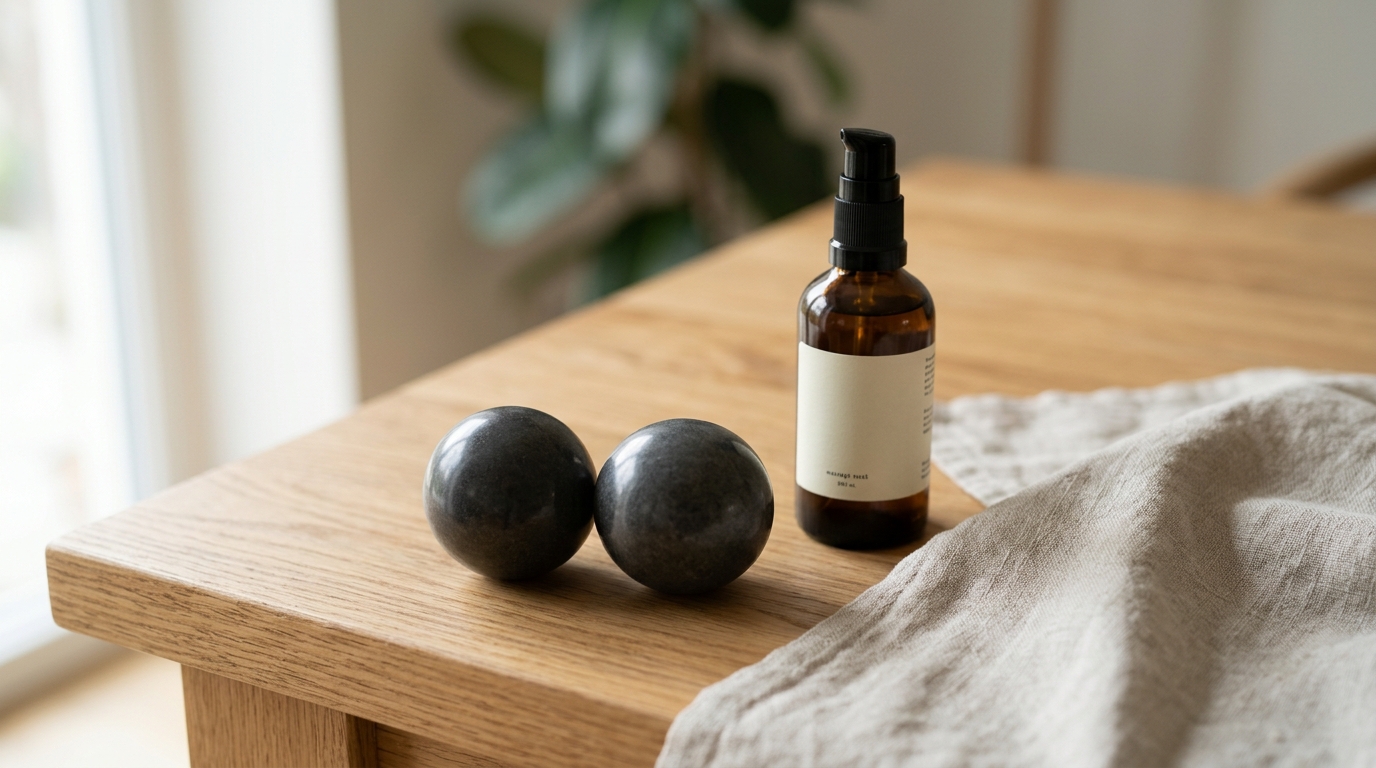
Foot massage techniques that actually help tired feet are simpler than you think. The most effective ones are thumb walking along the arch, kneading the heel and ball of the foot, gentle toe pulls and circles, and rolling your foot over a tennis ball. Used together for about ten minutes, they ease soreness, loosen tight muscles, and improve circulation in the feet. They work best after a warm soak or shower, when the tissues are warm and relaxed, and they should feel like a “good ache” — never sharp or painful. If you have diabetes, poor circulation, or a foot injury, check with your doctor before starting any foot massage routine.
Skip foot massage and see a doctor promptly if you notice any of these:
- Sharp or sudden pain during massage, or pain that gets worse afterwards
- Swelling, redness, or warmth in one foot that does not settle
- A foot injury, fracture, or open wound
- Numbness, tingling, or loss of feeling in your feet (common with diabetes or neuropathy)
- Swollen feet with shortness of breath or chest discomfort — seek urgent care
Why foot massage helps tired feet
Your feet carry your whole body weight all day, and they contain more than a hundred muscles, tendons, and ligaments packed into a small space. When those tissues get tired, they tighten up, blood flow slows, and the feet start to ache, throb, or feel heavy. Massage works on all three problems at once: pressure and movement relax tight muscles, encourage blood to flow through the tissues, and stimulate the nerves in the soles, which is why a good foot rub can feel so deeply relieving.
Research on foot massage supports what most people feel instinctively. Studies have found that foot massage can reduce pain and improve comfort in people with plantar fasciitis, and that it helps relaxation and sleep quality, particularly for people who spend long hours standing. It is not a cure for any foot condition, and it will not fix a structural problem like a bunion or a stress fracture — but for everyday tired, achy feet, it is one of the simplest and most reliable tools you have.
The key is pressure and patience. Too light and you are just tickling the surface; too hard and you bruise tissue and make soreness worse. Aim for firm, steady pressure that feels like a satisfying ache, and work slowly. Ten focused minutes beats thirty rushed ones.
Foot massage techniques that work
Start with warm-up strokes. Sit comfortably, rest one foot on the opposite knee, and rub a little lotion or oil over the whole foot. Use long, smooth strokes from the toes toward the ankle, a few times, to warm the tissues and spread the lotion. This takes a minute and makes everything that follows more comfortable.
Next, thumb-walk the arch. Place both thumbs on the sole and press firmly, then “walk” them in small steps from the heel toward the toes along the arch, like a caterpillar. When you hit a tender spot, hold the pressure there for five to ten seconds and breathe. This is the single most useful foot massage technique for arch soreness and plantar fascia tightness.
Knead the heel and ball of the foot. Use your knuckles or the heel of your hand to press small circles into the heel pad and the ball of the foot, where pressure builds up from standing and walking. Spend extra time on any spot that feels knotted or tender.
Work the toes. Pull each toe gently outward, then rotate it in slow circles, first one way and then the other. Then squeeze the webbing between the toes with your thumb and finger. Toes get cramped in shoes all day, and this part of the massage often brings the most relief.
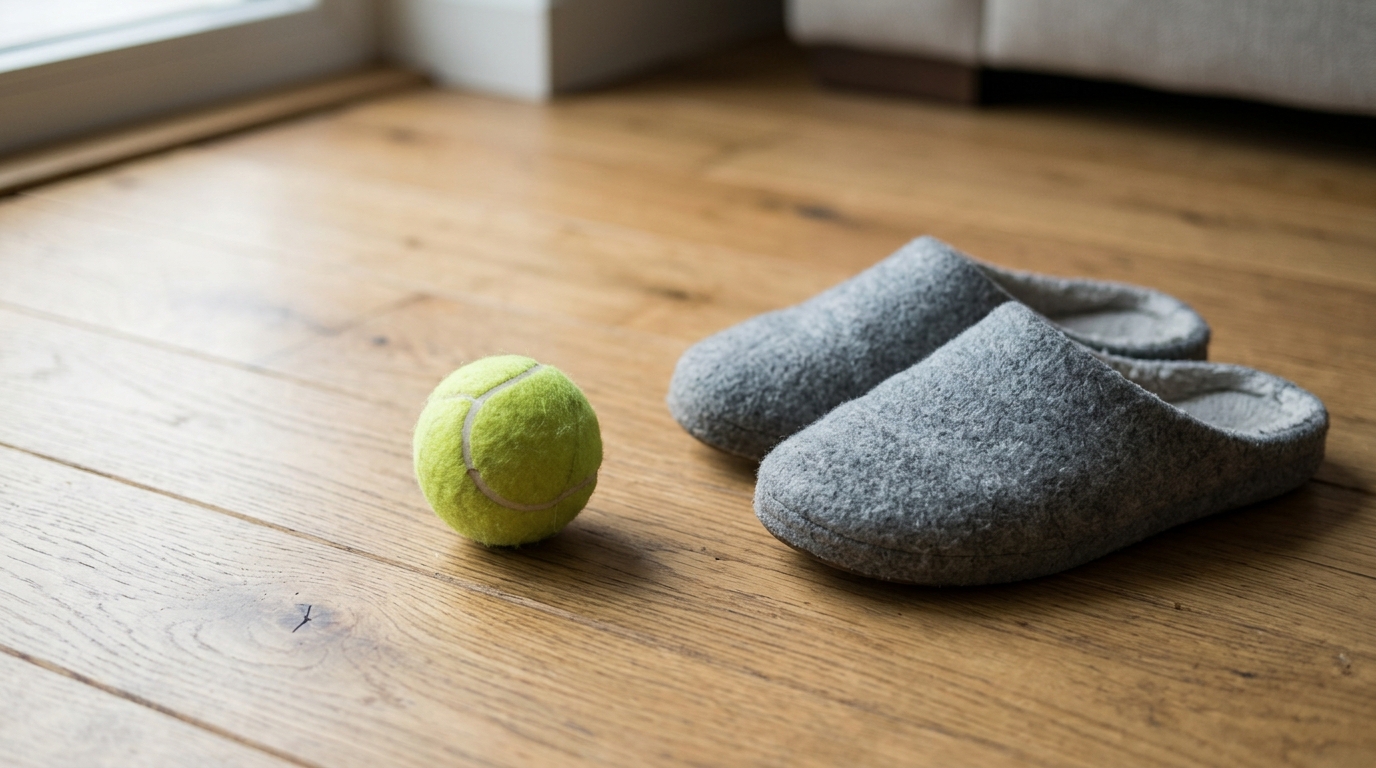
Finish with the tennis-ball roll. Stand or sit with a tennis ball under your foot and roll it slowly from heel to toes, pressing down enough to feel it. Pause on tender spots for a few seconds. This is a great everyday routine because it takes two minutes and you can do it while watching television.
A 10-minute foot massage routine
After a shower or a warm foot soak, sit down and work through both feet. Spend one minute on warm-up strokes, three minutes thumb-walking the arch and kneading the heel and ball, two minutes on the toes, and finish with the tennis-ball roll on each foot. End by flexing and pointing the foot a few times and stretching the calf.
Do this in the evening, when your feet are at their tiredest, or after a long day standing. If you have plantar fasciitis, a morning session before your first steps can also ease that first-step pain. Consistency matters more than intensity: a short daily routine beats a long weekly one.
A few cautions. Never massage through sharp pain, and never force a stiff joint. If you have diabetes or poor circulation, keep pressure gentle and check your feet afterwards for redness or marks, since reduced feeling means you might not notice overdoing it. And if foot pain persists for more than a couple of weeks despite massage and rest, get it checked — massage treats tired muscles, not the underlying condition.
Frequently asked questions
How often should I massage my feet?
Daily is fine for most people, especially a short ten-minute routine in the evening. If your feet are very sore, start with every other day and build up.
Can foot massage help plantar fasciitis?
It can ease the pain and loosen the plantar fascia, especially thumb-walking the arch and rolling a ball under the foot. It helps manage symptoms but does not cure plantar fasciitis on its own — stretching and proper footwear matter too.
Is it safe to massage feet with diabetes?
Only with care and your doctor’s approval. Reduced feeling means you may not notice excessive pressure, so keep it gentle, avoid bony areas, and check your feet afterwards.
What is the best tool for foot massage?
A tennis ball is the simplest and most effective for most people. A golf ball gives deeper pressure for the arch, and a foot roller works well if you prefer something smoother.
Should foot massage hurt?
It may feel like a “good ache” on tender spots, but it should never be sharp, shooting, or leave bruising. If it hurts, ease off the pressure.
Sources
- Mayo Clinic — Plantar Fasciitis: Self-Care and Treatment
- Cleveland Clinic — Foot Massage: Benefits and Techniques
- American Podiatric Medical Association — Foot Health and Self-Care
This article is for information only and is not medical advice. If your foot pain is severe, sudden, or not improving, talk to a healthcare professional for a proper diagnosis.