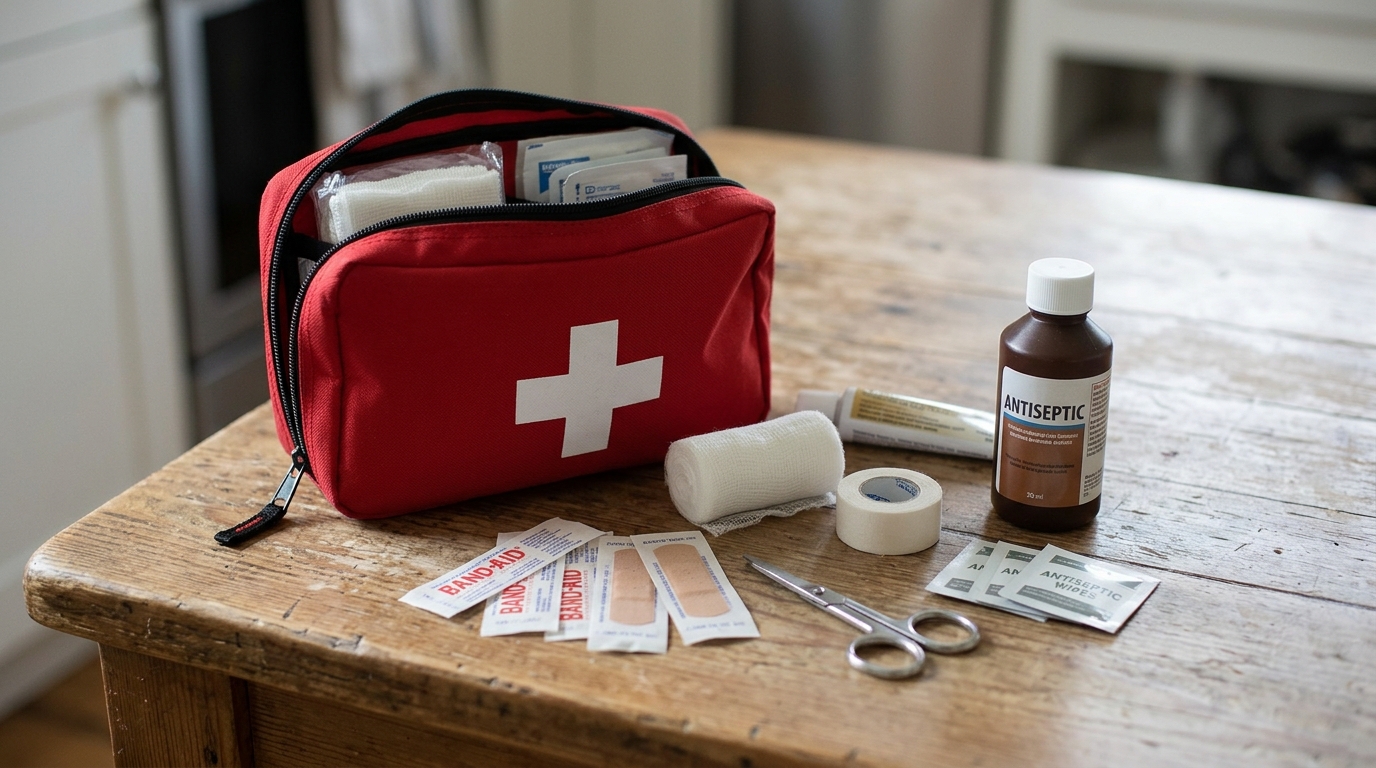
A foot wound not healing is a warning sign worth taking seriously, especially if it has been open for more than two weeks, keeps reopening, or shows no sign of shrinking. The most common causes are poor circulation, diabetes-related nerve damage, infection, and repeated pressure on the same spot — often from shoes or from walking on a wound that never gets a chance to rest. Other factors that slow healing include smoking, poor nutrition, certain medications, and venous problems that cause swelling in the legs. A wound that is getting bigger, more painful, or producing pus or a bad smell needs medical attention promptly, and anyone with diabetes should have any non-healing foot wound checked without delay.
Get medical help promptly if you notice any of these:
- Redness spreading out from the wound, increasing pain, or fever
- Pus, a bad smell, or black or dead-looking tissue around the wound
- A wound that has not shrunk at all after two weeks of care
- Swelling of the whole foot or leg, or new numbness in the foot
- You have diabetes, poor circulation, or a weakened immune system
Why some foot wounds don’t heal
Normal wound healing happens in stages: bleeding stops, inflammation clears out damaged tissue, new tissue fills the gap, and skin closes over it. Most small cuts on the foot close within a week or two. When a wound stalls, something is interrupting one of those stages, and the feet are especially vulnerable because they bear your whole weight, sit far from the heart, and are often squeezed into shoes.
Poor circulation is a major cause. Peripheral artery disease narrows the arteries that carry oxygen-rich blood to the feet, so the wound simply does not get the oxygen and nutrients it needs to rebuild. Signs include cold feet, pain when walking that eases with rest, and weak or absent pulses in the foot. Venous insufficiency works the other way: blood pools in the legs instead of returning upward, causing swelling that keeps wounds wet and slow to close.
Diabetes adds two problems at once. Nerve damage means you may not feel the wound or the pressure that keeps reopening it, and high blood sugar impairs the immune response and damages small blood vessels. That combination is why foot ulcers are one of the most serious complications of diabetes. The American Diabetes Association notes that regular foot checks and prompt treatment of any break in the skin are essential for people with diabetes.
Infection can also stall healing. Bacteria colonise an open wound and keep inflammation going without progress, and a wound that is red, warm, swollen, and increasingly painful is likely infected. Other factors include smoking, which constricts blood vessels, low protein intake, vitamin deficiencies, and medications such as steroids or immunosuppressants that slow tissue repair.
What helps a slow-healing foot wound
The first step is proper wound care. Keep the wound clean with gentle washing, cover it with a clean dressing, and change the dressing regularly as your clinician advises. Avoid harsh antiseptics and picking at scabs, since both can damage new tissue. Keep pressure off the wound: if it is on the sole, that may mean a special offloading shoe or boot, or simply resting with the foot raised.
Seeing a clinician matters, and sooner is better. A doctor or wound clinic can check circulation, test for infection, and look for underlying causes such as diabetes or artery disease that have not yet been diagnosed. Treatment may include antibiotics for infection, debridement to remove dead tissue, dressings designed to keep the wound moist but not wet, and compression therapy if venous problems are involved. The Cleveland Clinic notes that wounds which fail to heal after several weeks of standard care should be assessed for circulation problems and other underlying causes. For daily foot-check guidance, see diabetic foot care.
General health habits support healing too. Eating enough protein, keeping blood sugar controlled if you have diabetes, stopping smoking, and staying hydrated all help tissue repair. Avoid soaking the wound in baths or pools, and keep an eye on the surrounding skin for redness or swelling. Numbness can hide a wound, as described in neuropathy foot pain symptoms.
Do not try to close a deep or infected wound yourself with adhesive strips or home remedies, and do not ignore a wound just because it does not hurt — lack of pain can mean nerve damage, not a minor problem.
A daily routine for a healing foot wound
In the morning, wash the wound gently, pat it dry, and apply a fresh clean dressing. Check the surrounding skin for redness or swelling before you put on shoes.
During the day, keep pressure off the wound as much as you can, wear clean socks and shoes that do not rub the area, and keep the foot elevated when you are sitting.
In the evening, change the dressing if it is damp or dirty, look for any change in size, colour, or smell, and note whether the wound is shrinking week by week. If it is not improving, book an appointment.
Frequently asked questions
How long should a foot wound take to heal?
Most small cuts close within one to two weeks. If a wound shows no improvement after two weeks, or is getting worse, it should be checked by a clinician.
Why won’t my foot wound heal even though I keep it clean?
Cleanliness alone is not enough if circulation is poor, blood sugar is high, pressure keeps reopening the wound, or infection is present. The underlying cause needs to be found and treated.
Should I keep a foot wound covered or let it air out?
Cover it with a clean dressing. A covered wound stays moist enough to heal and is protected from dirt and pressure; leaving it open usually slows healing and raises infection risk.
Can I walk on a foot wound?
Walking on a wound on the sole keeps reopening it and slows healing. Rest, elevation, and offloading footwear help much more than pushing through it.
When is a non-healing foot wound an emergency?
Seek urgent care if redness is spreading, you have a fever, the wound smells or produces pus, tissue looks black, or you have diabetes and the wound is worsening.
Sources
- American Diabetes Association — Foot Complications
- Cleveland Clinic — Chronic Wounds: Causes and Treatment
- Mayo Clinic — Diabetic Foot Ulcers
This article is for information only and is not medical advice. If your foot pain is severe, sudden, or not improving, talk to a healthcare professional for a proper diagnosis.