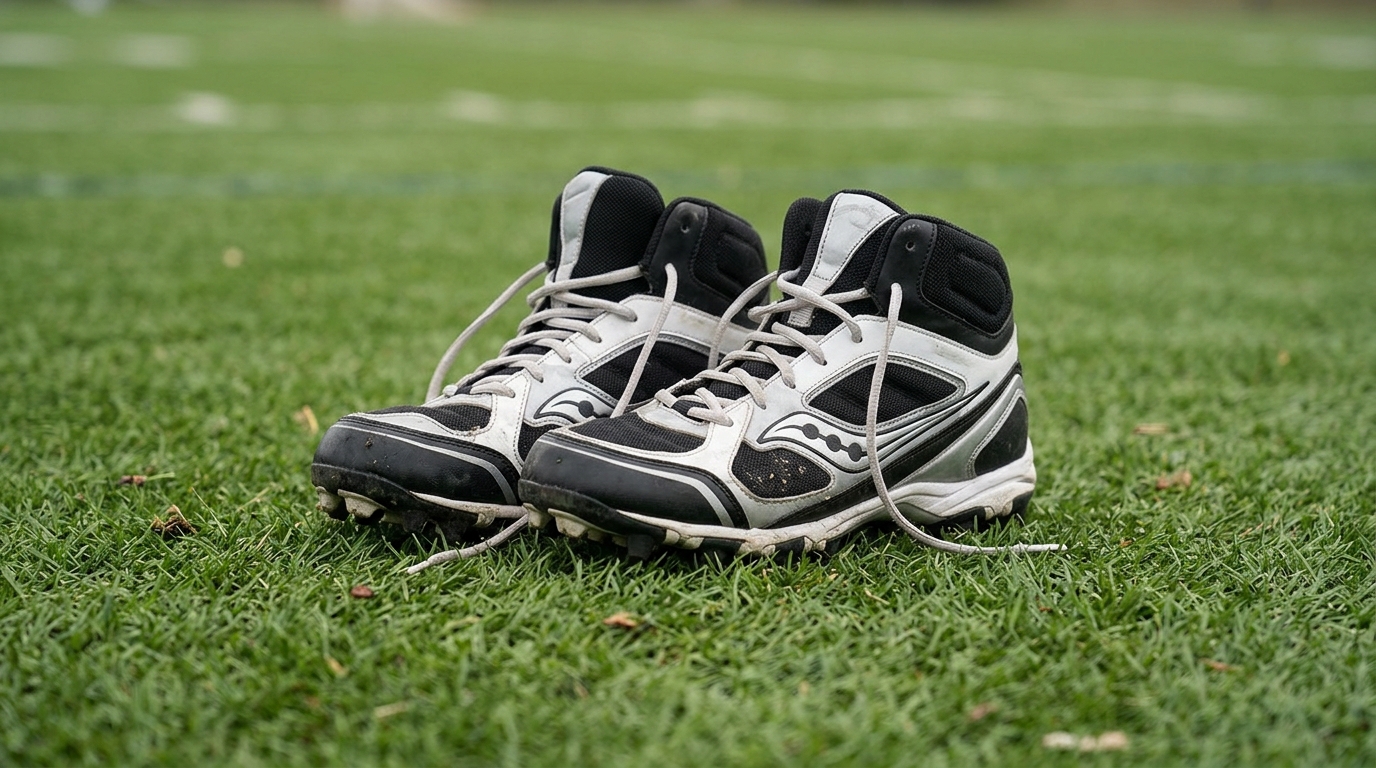
Quick Answer: In short, foot pain from lacrosse usually comes from a high-impact, stop-start sport played in cleats — hard cuts twist your arches, sprinting pounds your heels, and contact can leave your foot bruised and sore. It usually eases with rest, better-fitting cleats, and stretching. If it stays sharp, lasts more than a couple of weeks, or comes with swelling, get it checked by a doctor or podiatrist.
See a doctor promptly if you notice:
- Sharp or severe pain in the heel, arch, or a single spot on a bone
- Pain that makes walking or putting weight on your foot difficult
- Swelling, redness, or warmth that doesn’t settle within a day or two
- Numbness, tingling, or a burning feeling in your foot or toes
- Pain that keeps coming back after every game or practice despite rest
Why Lacrosse Can Hurt Your Feet
Lacrosse is one of the fastest games on feet. You sprint up the field, plant hard to dodge a defender, cut sideways at full speed, then stop dead to shoot — and you do it all in cleats on grass or turf. Your feet take the full force of every change of direction, with almost no cushioning between the ground and your soles.
The cleats themselves are part of the problem. They’re built for grip, not comfort, and their studs lock your foot to the ground. When you twist to dodge or shoot, your foot stays planted while your body rotates — and that twisting force travels straight into your arches, ankles, and midfoot. Add in the contact — a defender’s cleat on your foot, a stick catching your ankle — and it’s no surprise your feet ache after a game. Our guide to foot pain from basketball covers the same stop-start soreness on a hard court.
What It Is: The Most Common Causes
Cutting and dodging is the biggest culprit. Every dodge is a hard plant on one foot followed by an explosive push in another direction, and your arch absorbs most of that load. Do that dozens of times and the tissue along the bottom of your foot gets irritated and sore.
Heel pain is another frequent complaint. Sprinting in cleats sends a jolt through your heel with every stride, and the hard ground offers no give. If your calves are tight — and they usually are by the second half — the heel takes even more of the load, and that morning-after ache is the result.
Blisters and bruised toenails hurt too. New cleats rub hot spots into your heels and toes, and a tight toe box jams your big toe against the front of the shoe every time you stop hard. A toenail that turns dark after a game is usually a sign your cleats are too tight or too short.
Turf makes everything worse. Artificial turf is harder than grass, so every step lands with more impact, and it grips cleats even more firmly — which means even more twisting force on your arches and ankles. Our guide to foot pain from jumping explains how repeated hard landings build up into lasting soreness — the same pattern shows up in lacrosse.
What Helps: Cleats That Work With Your Feet
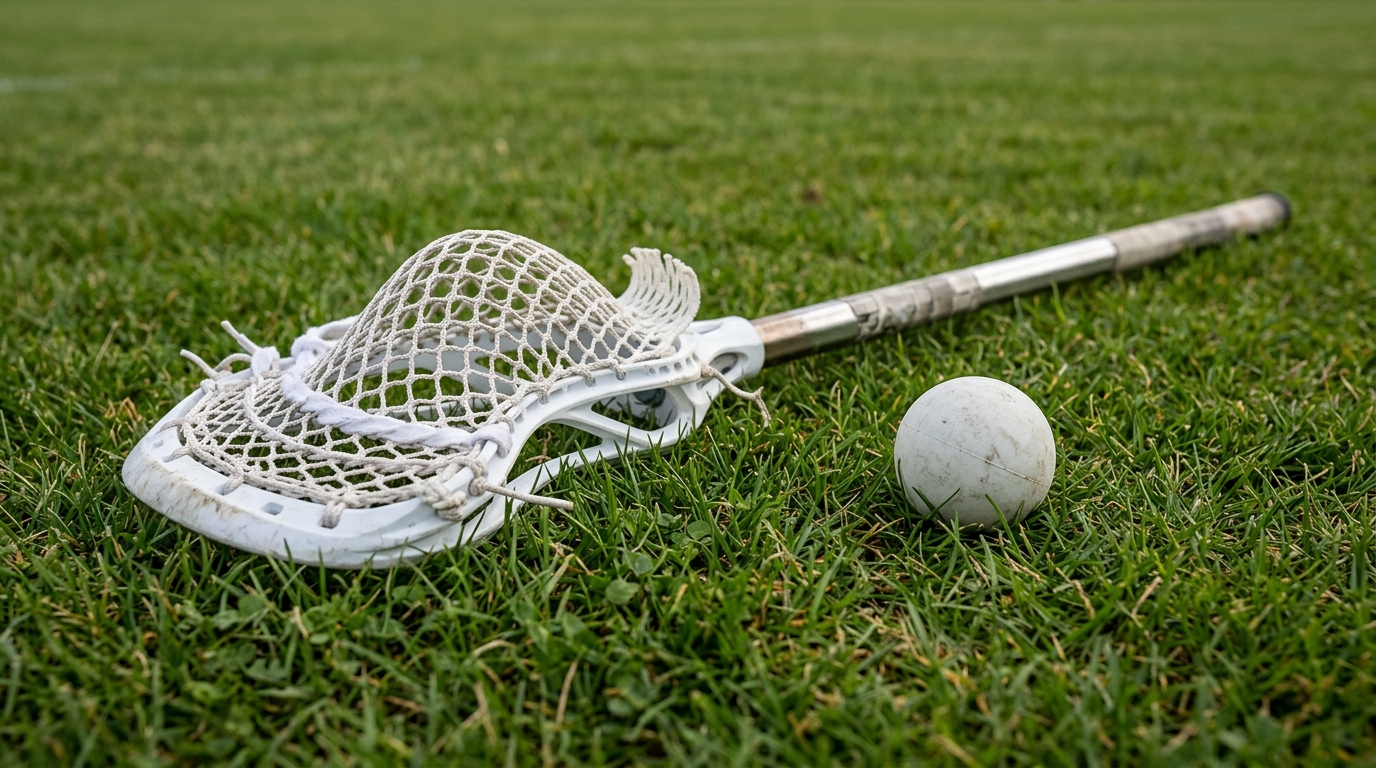
The first fix is fit. Your lacrosse cleats should feel snug around the heel and midfoot but leave a thumb’s width of space in front of your longest toe. If your toes are jammed against the front when you stop hard, go up half a size — tight cleats are the single most common cause of blisters and bruised toenails in this sport.
Break new cleats in gradually — wear them for a short practice before a full game — and tape hot spots until the upper softens. If your arches ache after every game, try supportive insoles: they spread the load across your whole foot instead of letting the arch take it all. The Cleveland Clinic notes that arch support can ease the strain on the plantar fascia during cutting sports.
Match your cleats to the surface. Molded cleats suit firm grass, while turf shoes with shorter, flatter studs grip artificial turf without locking your foot down so hard. Playing turf games in long grass cleats is one of the quickest ways to twist an arch.
What Helps: Recovery After a Game
After a sore game, get out of your cleats and into something soft and supportive as soon as you can. Ice the sore spot for ten to fifteen minutes if it’s swollen or tender, and roll the bottom of your foot over a tennis ball for a few minutes to loosen tight tissue.
Rest a day if the ache is still there the morning after — playing through sore feet changes how you run and cut, and that compensation turns a small ache into a real injury.
Your Daily Routine for Happier Feet on the Field
Here’s a routine to keep your feet comfortable through the lacrosse season:
- Stretch your calves and arches daily: A wall calf stretch and a few ankle circles each morning take two minutes and keep your heels and arches loose.
- Strengthen your feet: Toe spreads, towel scrunches, and single-leg balance build the small muscles that support your arches.
- Check your cleats before every game: Fit, studs, and the right pair for grass or turf.
- Tape hot spots: A little tape on a heel or toe before the game beats dealing with a blister after it.
- Recover after every session: Roll sore feet over a tennis ball, ice anything swollen, and swap into supportive shoes.
FAQs
Is foot pain from lacrosse normal?
Mild soreness in the arches or heels, especially early in the season, is common and usually fades with rest and better-fitting cleats. Sharp or persistent pain is not normal and should be checked.
Why do my arches hurt after lacrosse?
Every dodge and cut plants your full weight on one foot and twists it, and your arch absorbs most of that force. Tight calves and cleats with little arch support make the strain worse.
Can lacrosse cause plantar fasciitis?
Lacrosse can irritate the plantar fascia, especially with tight calves and hard turf. Rest, calf stretching, and supportive insoles usually help — persistent heel pain should be checked by a doctor.
Should I wear different cleats for turf?
Yes — turf shoes with shorter, flatter studs grip artificial turf without locking your foot down as hard as long grass cleats, which means less twisting force on your arches and ankles.
When should I see a doctor about foot pain from lacrosse?
See a doctor promptly if the pain is sharp or severe, if swelling doesn’t settle, if you can’t put weight on your foot, or if it keeps coming back despite rest and new cleats.
Sources
- Mayo Clinic — plantar fasciitis causes and symptoms
- Cleveland Clinic — arch pain and calf tightness information
- American Podiatric Medical Association — foot strengthening exercises
This article is for general information only and is not medical advice. Talk to your doctor or a podiatrist about your own feet.