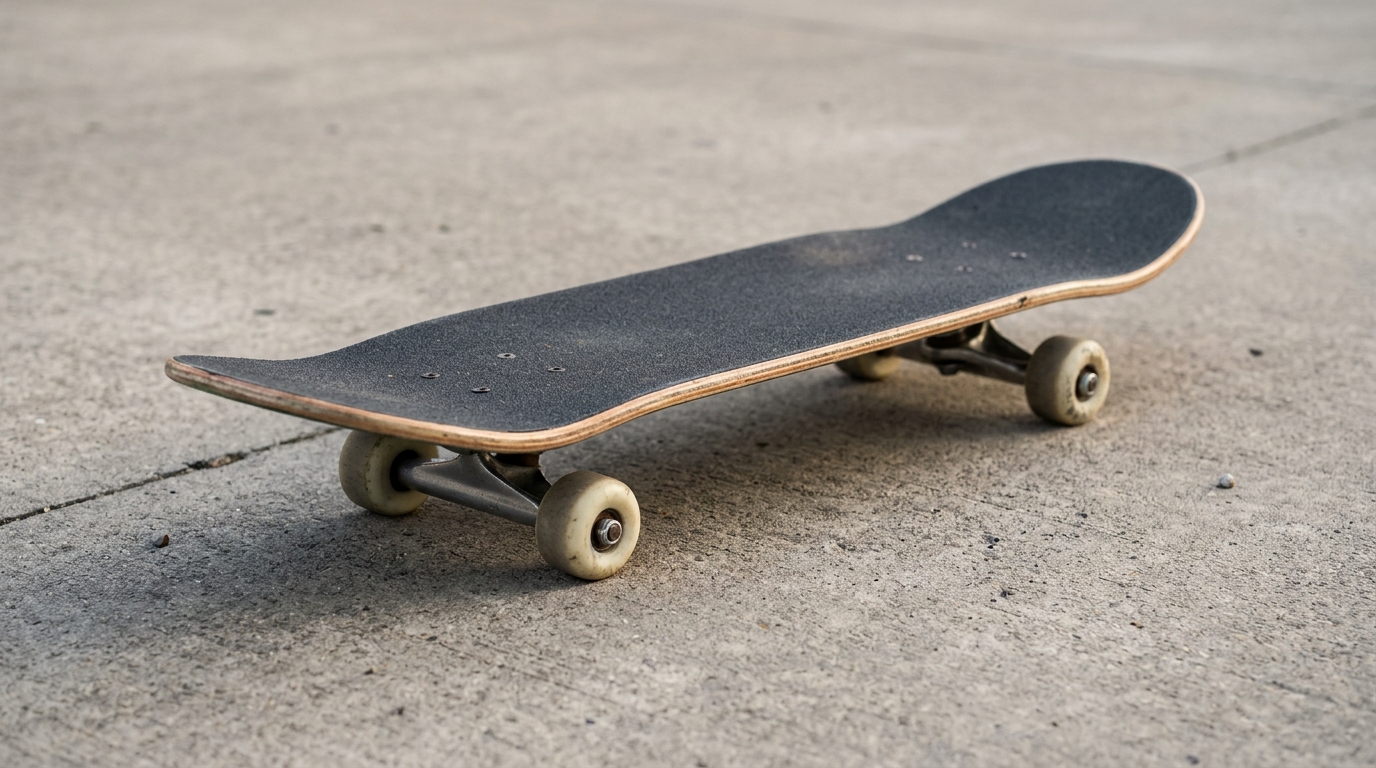
Quick Answer: Foot pain from skateboarding usually comes from repeated hard landings, stiff skate shoes, and hours of pushing and flicking the board — all of which strain the arch, heel, and ball of your foot. Most of it eases with rest, better shoes, and a short break from skating. If the pain is sharp, swollen, or makes it hard to walk, stop skating and get it checked — it could be a stress fracture or a sprain.
See a doctor promptly if you notice:
- Sharp or severe pain after a fall or bad landing
- Swelling, bruising, or pain in one spot on a bone
- Pain that makes it hard to walk or put weight on your foot
- Numbness, tingling, or toes that look discolored
- Pain that keeps coming back or lasts more than two weeks
Why Skateboarding Is Tough on Your Feet
Skateboarding asks a lot of your feet. Every ollie, kickflip, and drop-in ends with a landing, and your feet take the full force of it — often on a hard surface with almost no shock absorption. Add in hours of pushing, flicking, and dragging your shoes across grip tape, and it’s no surprise that sore feet are one of the most common complaints among skaters.
Unlike running, where each step is fairly predictable, skating is a mix of sudden impacts and awkward angles — you land sideways, off-center, or bail and catch yourself wrong. Over time those small stresses add up, and that deep ache in your arch or heel after a long session is your feet telling you they’ve had enough for the day.
What It Is: The Most Common Causes
The most common cause is impact bruising — repeated landings bruise the fat pad under your heel and the ball of your foot. It feels like a deep, tender ache that gets worse the longer you skate, and it can take a few days of rest to settle down.
Arch strain is another big one. Pushing, popping the board, and flicking your foot all work the muscles and ligaments along the bottom of your foot, and the arch takes the brunt of it. Skaters who spend hours on flat ground tricks often notice a pulling ache in the arch by the end of the session.
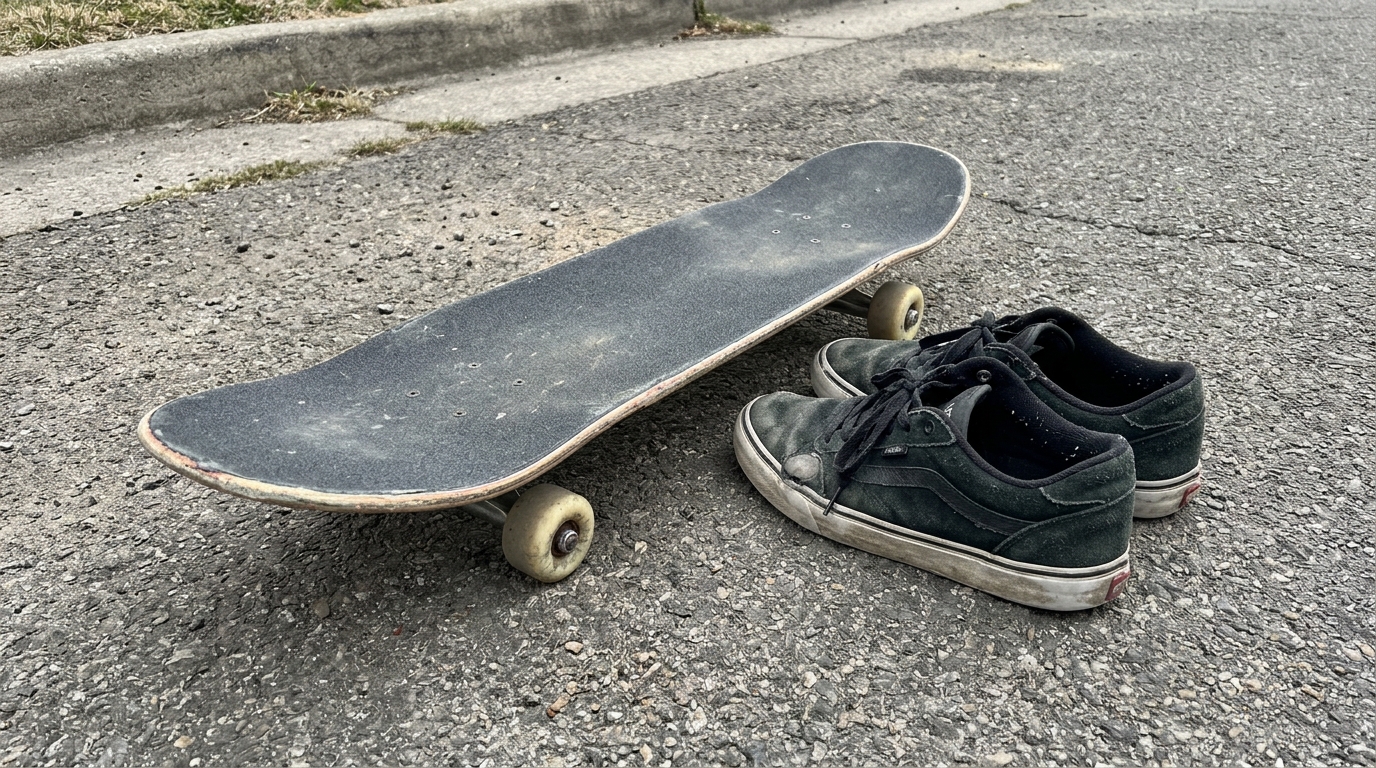
Stiff, flat skate shoes are a third culprit. Most skate shoes are built for board feel, not support — they have thin, flat soles and very little arch support. That thin sole also means you feel every landing more sharply. Skate shoes wear out fast, too: once the sole is worn thin or the heel cup is broken down, the shoe protects your foot even less. Court sports put the same kind of stress on feet — our guide to foot pain from basketball covers how hard landings and quick cuts wear on the arch and heel.
More serious causes include ankle sprains from landing wrong and stress fractures from repeated high-impact landings. A stress fracture usually shows up as pain in one specific spot on the top or side of your foot that gets worse the more you skate. The Cleveland Clinic notes that stress fractures often start as a dull ache during activity and only become sharp later, so don’t ignore a pinpoint pain that keeps coming back.
What Helps: Rest, Ice, and Better Shoes
The first thing that helps is rest — not forever, just enough for the bruising to calm down. A day or two off the board after a hard session is usually enough for mild soreness. If the pain is sharp or swollen, stay off it longer and follow the RICE basics: rest, ice for 15 minutes at a time, compression with a light wrap, and elevation.
Shoes matter more than most skaters think. Look for skate shoes with a cushioned insole and a heel cup that still holds its shape — and replace them when the sole goes flat. The American Podiatric Medical Association recommends shoes with good arch support and cushioning for any high-impact activity, and skating counts. A supportive insole can add real cushioning without ruining board feel; try one that’s thin and firm rather than thick and soft.
Stretching helps too. Stretch your calves against a wall and roll the bottom of your foot over a tennis ball for a few minutes after a session — the Mayo Clinic recommends calf and plantar fascia stretches to reduce strain on the arch and heel, where skateboarding pain often shows up.
If you play other high-impact sports, the same landing mechanics apply: our guide to foot pain from jumping covers how repeated landings stress the feet and what to do about it.
Your Daily Routine for Sore Skating Feet
Here’s a routine that works around your sessions:
- After every session: Ice the sore spots for 15 minutes and roll your foot over a tennis ball for a few minutes.
- Stretch daily: Do a wall calf stretch and a seated toe stretch each morning — two minutes is enough.
- Check your shoes: Before you skate, look at the soles and heel cups. If they’re worn flat or collapsed, swap the shoes or the insoles.
- Warm up before tricks: Spend five minutes pushing around and doing easy tricks before you go for big landings.
- Take a rest day: If your feet are still sore the next morning, take the day off the board — skating through pain turns a small ache into a real injury.
FAQs
Is foot pain normal after skateboarding?
Mild soreness in the arch or heel after a long session is common, and it should fade within a day or two of rest. Sharp pain, swelling, or pain in one specific spot is not normal and should be checked.
Why does the ball of my foot hurt when I skate?
That’s usually impact bruising from repeated landings, plus the pressure of pushing and flicking the board. Cushioned insoles and rest usually help — if it doesn’t improve in a week, see a podiatrist.
Do skate shoes cause foot pain?
They can. Most skate shoes have thin, flat soles with little arch support, and once the sole wears down they protect your foot even less. A supportive insole helps, and replacing worn shoes matters.
How long should I rest a sore foot from skating?
For mild soreness, a day or two off the board is usually enough. If the pain is sharp, swollen, or still there after two weeks, get it checked before you skate again.
When should I see a doctor about foot pain from skateboarding?
See a doctor promptly if you have sharp pain after a fall or landing, swelling or bruising, pain in one spot on a bone, or pain that makes walking difficult — these can signal a sprain or stress fracture.
Sources
- Mayo Clinic — foot pain causes and when to seek care
- Cleveland Clinic — stress fractures and foot pain information
- American Podiatric Medical Association — footwear and sports injury guidance
This article is for general information only and is not medical advice. Talk to your doctor or a podiatrist about your own feet.