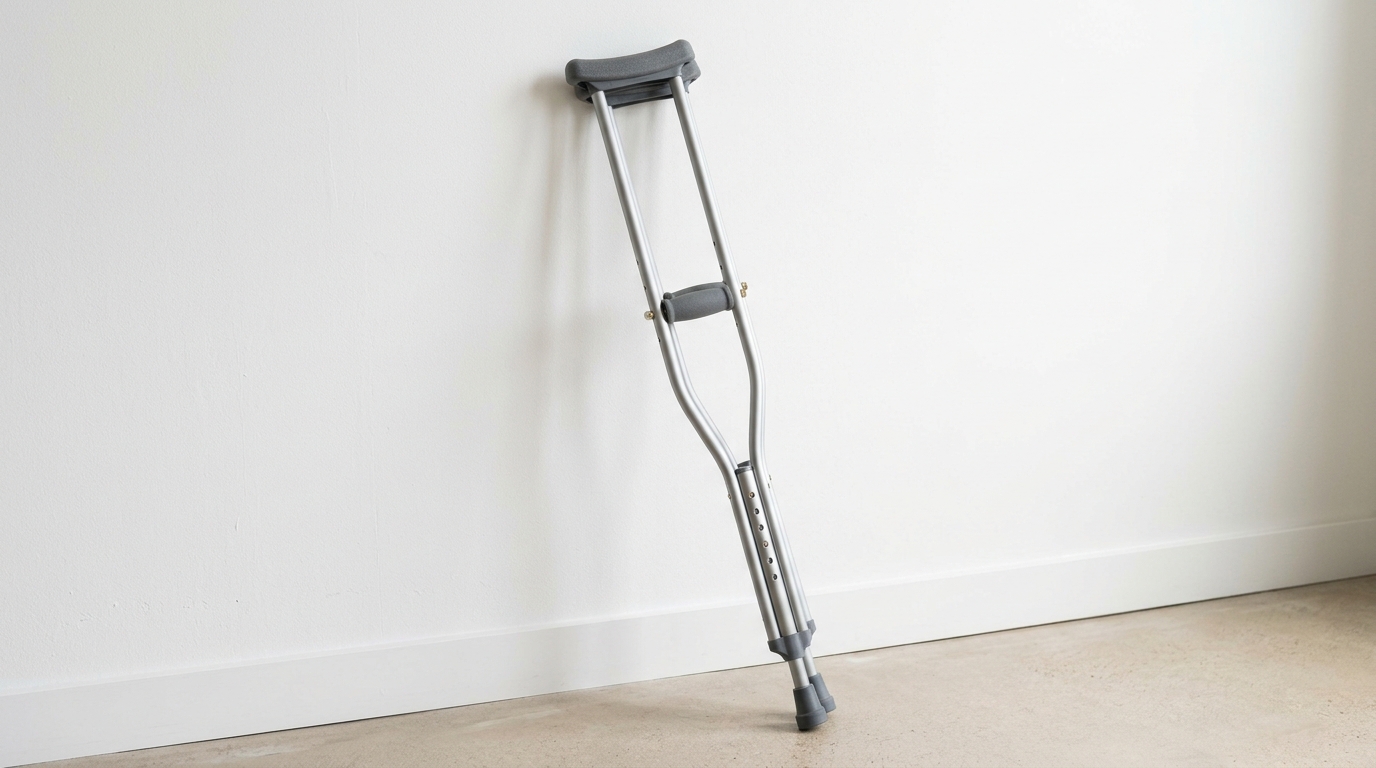
Quick Answer: In short, foot pain from using crutches usually comes from your good foot suddenly carrying your whole body weight with every hop. That foot was never meant to do the work of two, so the arch, heel, and ball get overloaded fast. Add in an uneven hopping gait, and it’s no surprise the “good” foot starts aching. The fix is mostly about spreading the load: good shoes, a fitted crutch setup, short hops, and rest.
See a doctor promptly if you notice:
- Sharp or severe pain in the heel, arch, or one spot on a bone
- Swelling, redness, or warmth that doesn’t settle after a day or two of rest
- Numbness, tingling, or a burning feeling in your feet or toes
- Pain that makes walking or putting weight on your foot difficult
- A wound, sore, or blister that won’t heal — especially if you have diabetes
Why Crutches Can Hurt Your Good Foot
When you’re on crutches, your injured leg is out of action and your good foot picks up the entire job — every step a hop, a swing, and a landing, all on one foot. It was built to share your weight, not carry it all alone, dozens of times a day.
The landing is the hard part. Each hop ends with your full weight coming down onto one foot, often on tile or concrete. There’s no second foot to share the impact and no heel-to-toe roll to spread it out — you land flat and push off again in a second. Do that a few hundred times a day and your feet get sore fast.
Then there’s the uneven gait. Hopping throws your body off balance, so you twist and lean. Your good foot lands at a different angle each time, your ankle rolls a little, and your toes grip hard to keep you steady. By the end of the day your “good” foot can hurt more than the one you’re protecting. That’s why foot pain from using crutches catches so many people by surprise — you expect the injured leg to complain.
What It Is: The Most Common Causes
Plantar fasciitis is the most common culprit. The plantar fascia is the band of tissue along the bottom of your foot, and repeated hard landings stretch and irritate it. The classic sign is heel pain with your first steps in the morning, easing as you move.
Metatarsalgia — pain in the ball of your foot — comes from landing flat instead of rolling heel to toe. Without the normal walking motion to spread the load, the front of your foot takes a pounding. If your shoe is thin-soled or worn out, the balls of your feet can feel bruised within days.
Overuse soreness and blisters round out the picture. Your good foot is doing double duty, so unused muscles tire and ache. Your foot also slides inside the shoe as you twist, rubbing blisters on the heel and toes. If you’re recovering from surgery, swelling makes it harder — our guide to swollen feet after surgery explains why feet stay puffy after an operation and what helps.
What Helps: Protecting Your Good Foot
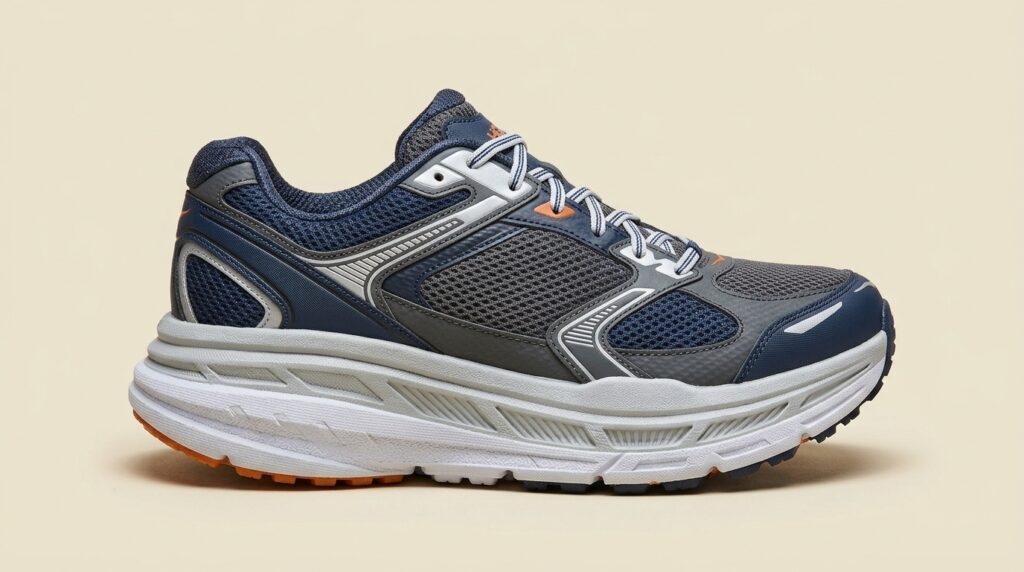
The biggest single change is your shoe. Wear a supportive shoe on your good foot — cushioned sole, real arch support, snug heel. A flat slipper or worn-out trainer will make the hopping worse. If your shoe is worn out, replace it now — your good foot is doing the work of two.
Next, check your crutch fit. Crutches that are too long or too short throw your gait off and make landings harder. Standing upright, the handgrips should sit at wrist height with a couple of fingers’ width between the top pad and your armpit. Ask your doctor or physio to check the fit — five minutes can save your foot days of ache.
Take shorter, slower hops. It’s tempting to rush, but big, fast hops land harder. Small, controlled steps with your weight through the crutches make a real difference. And if your injured foot is a broken toe or a sprain, know exactly how much weight you’re allowed on it — our guide to broken toe symptoms covers how to tell a break from a sprain.
What Helps: Recovery for the Working Foot
When the day is done, give your good foot the same care you’d give an injured one. Roll the bottom of it over a tennis ball or frozen water bottle for a few minutes, and stretch your calves against a wall: step the good foot back, press the heel down, hold for thirty seconds a side. Tight calves make heel pain worse, and this habit helps a lot.
Elevate both feet when you rest — it drains swelling. A cool soak helps a hot, puffy foot — ten minutes in cool water, then dry it properly. Build rest into your day: every hour of hopping deserves a sit-down. Most crutch-related soreness eases within a few days of better shoes and shorter hops.
Your Daily Routine for Happier Feet on Crutches
A routine that protects your good foot while you heal:
- Start the day in a supportive shoe: Cushioned sole, arch support, snug heel — every day.
- Check your crutch fit each morning: Handgrips at wrist height, fingers’ width below your armpits.
- Take small, slow hops: Share your weight through the crutches.
- Rest with your feet up every hour: Even ten minutes gives your foot a break.
- Roll and stretch every evening: A tennis-ball roll loosens tired arches.
FAQs
Is foot pain from using crutches normal?
Yes — your good foot suddenly carries your whole body weight with every hop. Mild aching in the arch, heel, or ball of the foot is expected at first. Sharp, one-sided, or persistent pain is not normal and should be checked.
Why does my good foot hurt more than my injured one?
Your injured foot rests while your good foot does double duty — every hop goes through it alone. The hard landings overload the arch and heel, so the healthy foot ends up sorer.
Can crutches cause plantar fasciitis?
They can contribute to it — repeated hard landings irritate the plantar fascia, especially with a flat shoe or tight calves. Rest, calf stretching, and a supportive shoe usually help, but heel pain lasting more than a couple of weeks should be checked by a doctor.
What shoes should I wear on crutches?
A supportive shoe with a cushioned sole, real arch support, and a snug heel — something that holds your foot steady and absorbs each landing. Avoid flat slippers and worn-out trainers.
How do I stop my good foot aching on crutches?
Wear a supportive shoe, check your crutch fit, take small slow hops, and rest with your feet up. Roll the bottom of your foot over a tennis ball and stretch your calves each evening.
Sources
- Mayo Clinic — plantar fasciitis causes and symptoms
- Cleveland Clinic — crutch use and walking with crutches
- American Podiatric Medical Association — foot care during injury recovery
This article is for general information only and is not medical advice. Talk to your doctor or a podiatrist about your own feet.