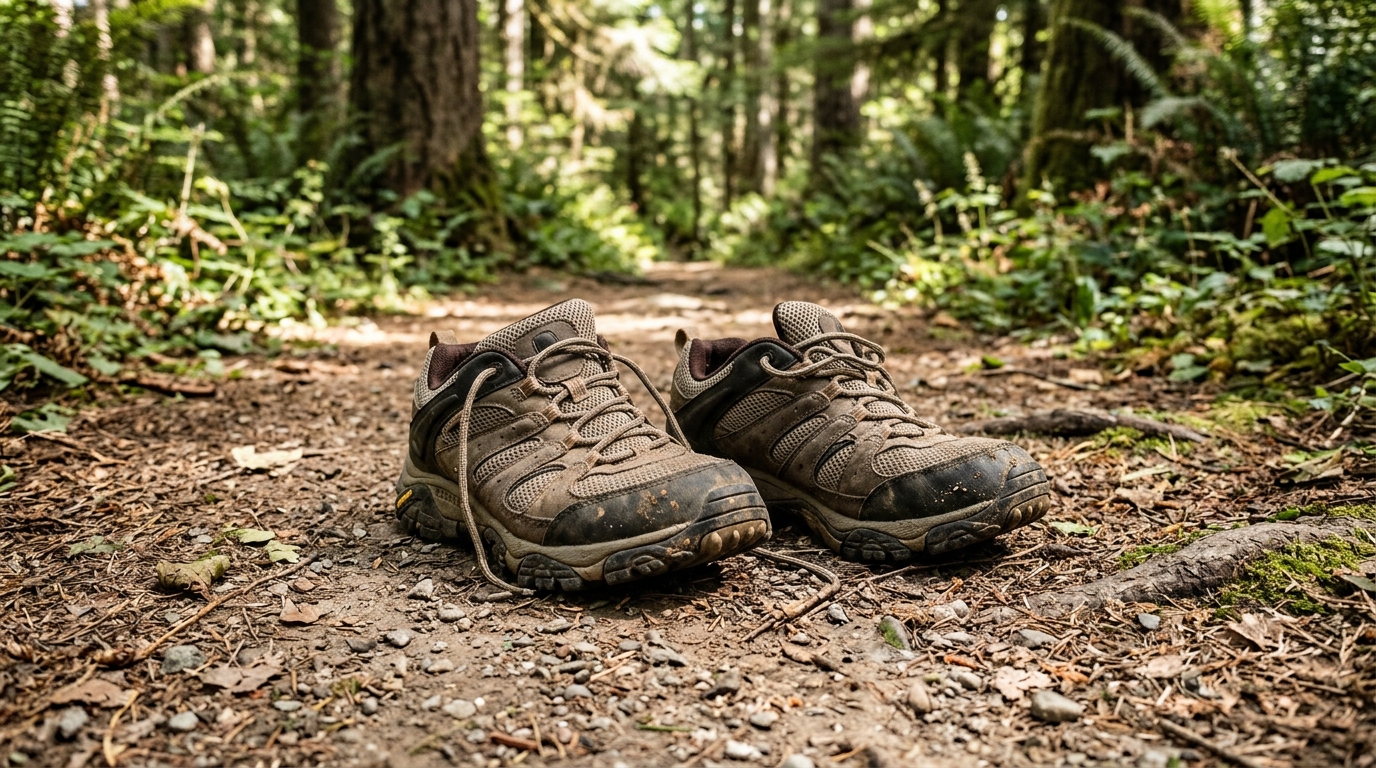
Foot pain from walking too much usually means you’ve loaded your feet beyond what they’re used to — more miles, more hours on your feet, or a sudden jump in distance that your muscles, tendons, and bones haven’t adapted to yet. It’s often a mix of tired arches, irritated tendons, and sore pressure points rather than one single injury. The fix is usually rest, better support, and a slower build-up — not pushing through the same distance again tomorrow.
See a doctor promptly if you notice any of these:
- Sharp pain in one specific spot, especially on top of the foot or in the heel
- Swelling that doesn’t settle after a day or two of rest
- Pain that makes you limp or change how you walk
- Numbness, tingling, or a foot that looks bruised without an injury
- Foot pain plus diabetes, poor circulation, or a weakened immune system
Why extra miles catch up with you
Walking is low-impact, but it isn’t no-impact. Every step sends force through your heel, arch, and forefoot, and your feet absorb that force thousands of times a day. When you suddenly double your daily distance — a walking holiday, a new job on your feet, a fitness challenge — the tissues in your feet don’t get time to adapt. Muscles fatigue, tendons get irritated, and the fat pads under your heels and the balls of your feet get compressed and sore.
The usual suspects have names you may recognise. Plantar fasciitis shows up as heel pain that’s worst with your first steps in the morning. Metatarsalgia is aching or burning in the ball of the foot. Achilles tendinitis feels like stiffness and soreness at the back of the heel, often worse after rest. And stress reactions — tiny overload injuries in the foot bones — cause a pinpoint ache that gets worse the more you walk. According to the Mayo Clinic, overuse is one of the most common causes of foot pain, and it often follows a sudden increase in activity rather than a single incident.
Your shoes matter here too. A pair that’s fine for three miles can be a problem at ten, once the cushioning is saturated and your form starts to break down. Tired feet also change how you walk — you start shuffling, rolling inward, or favouring one side — and that uneven gait creates new sore spots on top of the original fatigue.
What helps when you’ve overdone it
First, respect the recovery window. A day or two of relative rest — shorter walks, no long outings — plus ice for fifteen minutes a couple of times a day will settle most overuse soreness. According to the Cleveland Clinic, rest, ice, and supportive footwear are the first-line treatments for most mild foot overuse injuries, and most improve within days to a couple of weeks with that approach.
Second, look at your shoes honestly. If you’re walking long distances regularly, you need shoes with real cushioning and arch support, not flat fashion trainers. A supportive insole can help if your shoes lack arch shape, but it won’t rescue a shoe whose cushioning is already worn flat — check for uneven wear on the sole and a heel counter that collapses when squeezed.
Third, rebuild gradually. The classic rule is to increase your weekly walking distance by no more than about ten percent. That sounds slow, but it’s the difference between feet that adapt and feet that keep breaking down. Mix in rest days, vary your routes so you’re not pounding the same hard pavement every day, and pay attention to early warning signs: soreness that fades overnight is adaptation; soreness that’s still there in the morning is overload.
Stretching helps too, but keep it gentle. A wall calf stretch held for thirty seconds per side, a towel stretch pulling your toes toward you, and rolling a ball under your foot for a few minutes all ease the tissues that walking tightens. Stretch after walking, when your muscles are warm, not cold first thing in the morning.
A daily routine for high-mileage feet
If you walk a lot most days, build foot care into the day rather than saving it for when things hurt. Before a long walk, do ten ankle circles each way and a quick calf stretch — cold, stiff feet fatigue faster. During the walk, stop and retie your shoes if your feet start to swell, and don’t be proud about cutting a walk short when a hot spot appears; a blister on mile eight ruins mile nine.
Afterwards, get out of your shoes, ice anything sore for fifteen minutes, and roll a ball under each foot. In the evening, elevate your feet for ten minutes if they’re swollen, and moisturise dry skin so small cracks don’t split open on the next walk. Once a week, check your shoes: worn soles, flattened insoles, and collapsed heel counters are all quiet contributors to the next bout of soreness.
Frequently asked questions
How much walking is too much?
There’s no universal number — it depends on your fitness, your shoes, and the surface. The warning sign isn’t the mileage itself, it’s pain that lingers into the next day or changes how you walk. If soreness fades overnight, you’re adapting; if it stacks up day after day, you’re overdoing it.
Should I keep walking through foot pain?
Mild muscle tiredness is fine to walk through gently, but sharp pain, limping, or pain in one specific spot means stop and rest. Walking through that kind of pain usually turns a few days of soreness into weeks of injury.
How long does overuse foot pain take to heal?
Most mild overuse soreness settles within a few days to two weeks with rest, ice, and better footwear. Tendon irritation can take several weeks. If there’s no improvement after two weeks, or the pain is getting worse, see a podiatrist or your doctor.
Do I need special shoes for long walks?
You need shoes with cushioning that matches your distance and arch support that matches your foot shape — that’s true whether they’re labelled walking shoes or running shoes. Fit matters most: room for your toes, a heel that stays put, and no pressure points after a few miles.
Can walking too much cause permanent damage?
Usually not, if you rest and adjust. But repeatedly ignoring stress injuries or walking through sharp pain can turn a minor overload problem into a stress fracture or chronic tendon issue, which is why early rest is worth more than late treatment.
Sources
- Mayo Clinic — Foot Pain: Causes and When to Seek Care
- Cleveland Clinic — Plantar Fasciitis and Overuse Foot Injuries
- American Podiatric Medical Association — Walking and Foot Health
This article is for information only and is not medical advice. If you have ongoing or severe foot pain, talk to a qualified healthcare professional.