Varicose veins are swollen, twisted veins that bulge under the skin, and they often show up around the ankles, calves, and feet. The most common varicose veins feet symptoms are aching or heavy-feeling feet and ankles, swelling that gets worse by evening, visible blue or purple veins, itching or restless legs, and cramps at night. Many people notice their shoes feel tighter by the end of the day. They develop when the tiny one-way valves inside the veins weaken, letting blood pool instead of flowing back up toward the heart — usually more uncomfortable than dangerous. Standing all day, pregnancy, and a family history all raise the risk — but there is a lot you can do to ease the symptoms and slow them down.
See a doctor promptly if you notice any of these:
- Sudden pain, swelling, or redness in one leg, which can signal a blood clot
- A vein that bursts and bleeds, or a sore near a varicose vein that will not heal
- Skin around the ankle that becomes discolored, hard, or inflamed
- Severe pain, or swelling that does not go down overnight
- Signs of infection around a vein, such as warmth, redness, and fever
Why varicose veins form — and why feet feel it
Your veins carry blood back to your heart, and in your legs that means fighting gravity. One-way valves stop blood flowing backward, and your calf muscles squeeze the veins as you walk, pumping blood upward. When a valve fails, blood pools, pressure builds, and the vein stretches and twists. That is a varicose vein.
Varicose veins run in families, and women develop them more often than men, partly because of hormones and pregnancy. Standing or sitting still for long hours — nurses, teachers, shop workers, hairdressers — lets blood pool in the lower legs. Pregnancy adds pressure from the growing uterus on the veins in the pelvis, and the extra blood volume makes pooling more likely. Age matters too: valves wear out over time, and vein walls lose elasticity. Extra weight increases pressure on the veins, and a previous leg injury or blood clot can damage valves permanently.
Not every visible vein is a varicose vein: fine red or blue spider veins are smaller and usually painless, though they can look similar. True varicose veins are larger, raised, and rope-like, and they often come with symptoms — aching, heaviness, swelling, and itching — while spider veins usually do not. If you are unsure which you have, a doctor can confirm it with a quick ultrasound scan.
What helps relieve varicose vein symptoms in the feet
Movement is your best tool. Walking activates the calf muscle pump, pushing blood upward and easing the pooling that causes aching and swelling. Aim for regular walking, and if your job keeps you standing or sitting, shift your weight, flex your ankles, and take short walking breaks. Avoid standing still in one spot for long stretches — it is the worst position for varicose veins.
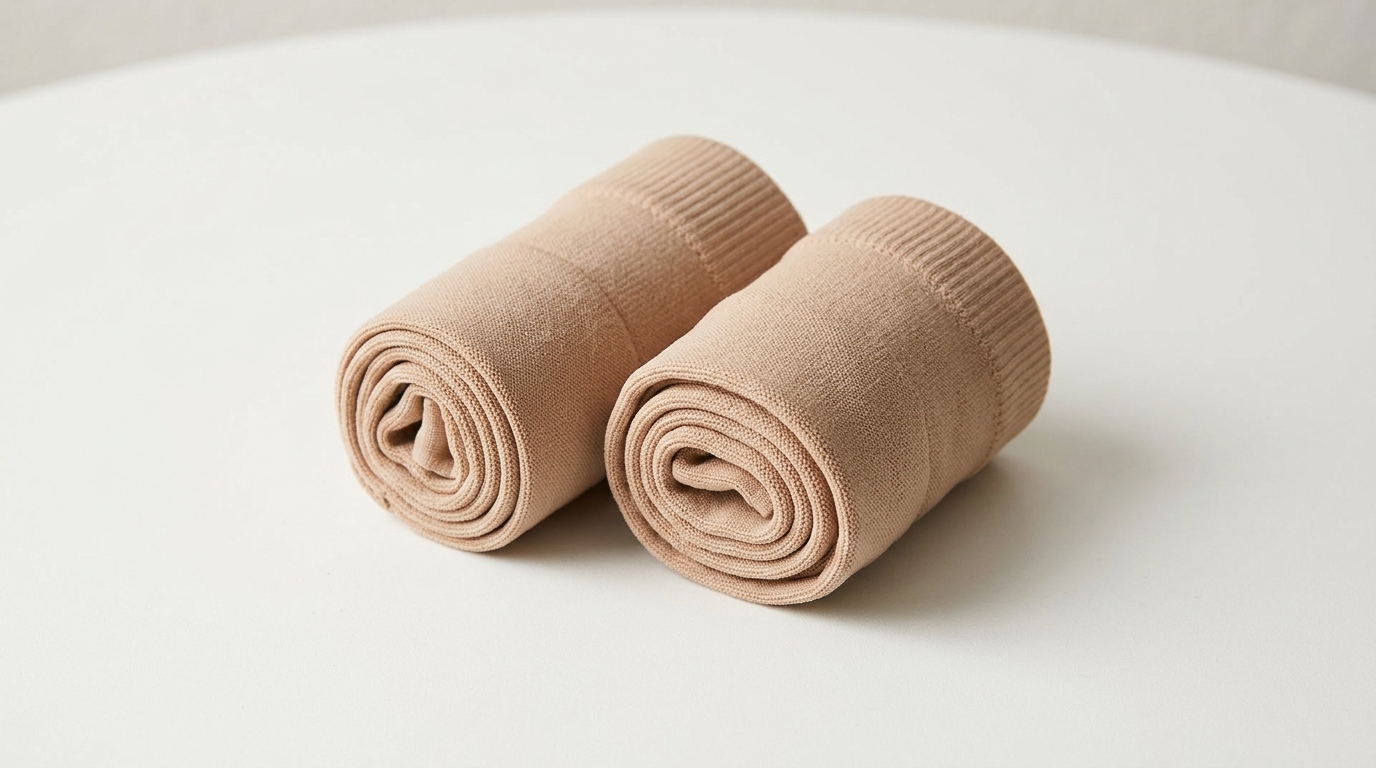
Elevate your feet above heart level for fifteen to twenty minutes a few times a day, especially in the evening. This lets gravity drain pooled blood out of the legs and usually brings quick relief from heaviness and swelling. Compression stockings are another proven option: they gently squeeze the legs, support the veins, and reduce swelling. They work best when fitted properly and worn during the day, so ask a pharmacist or your doctor about the right strength and size — they are not suitable for everyone, particularly people with artery disease.
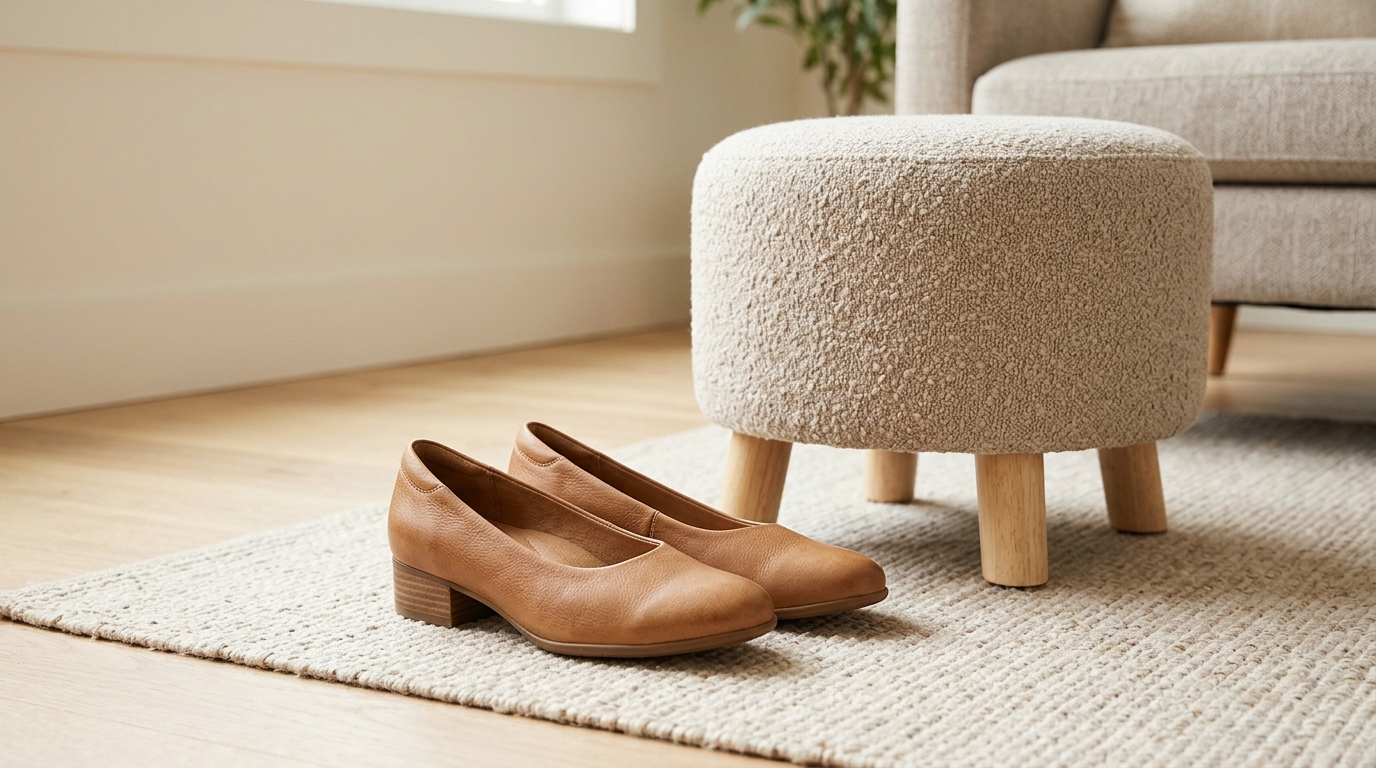
Simple daily habits help too. Keep your weight in a healthy range, since extra weight increases pressure on leg veins. Avoid tight clothing around the waist or legs that can restrict blood flow, and try not to sit with your legs crossed for long periods. Wear low-heeled, comfortable shoes rather than high heels, which reduce calf muscle movement. At night, raising the foot of the bed slightly can reduce morning swelling. Moisturize dry, itchy skin around the ankles, but do not scratch — the skin over varicose veins is fragile and can break easily.
When treatment is worth considering
For many people, varicose veins are a nuisance rather than a medical emergency, and lifestyle measures are enough. But if symptoms interfere with daily life, or the skin around your ankles becomes brown, hard, or inflamed, talk to your doctor about treatment. Modern treatments are far less invasive than the old vein-stripping surgery. Laser or radiofrequency treatment seals the faulty vein from inside, sclerotherapy closes smaller veins with an injection, and a small procedure can remove the vein through tiny cuts.
Your doctor may refer you for a duplex ultrasound first, to map which veins are faulty and check for any deeper vein problems. This is important, because treating a surface vein without checking the deeper veins can miss the real cause. Treatment is usually done as an outpatient procedure with a quick recovery, and most people are walking the same day. Do not try unproven creams or supplements promising to “dissolve” varicose veins — they cannot fix faulty valves, and some irritate the skin.
The outlook is good: varicose veins can be managed, and when needed, treated effectively. What matters most is not ignoring the symptoms. Swelling that worsens, skin changes, or a sore that appears near a varicose vein are all reasons to get checked promptly, because early treatment prevents complications like skin ulcers, which are much harder to heal once they develop.
Frequently asked questions
Do varicose veins cause pain in the feet?
Yes, they can. Aching, heaviness, and a tired feeling in the feet and ankles are common, especially after standing all day. The discomfort usually eases with elevation and rest.
Why do my ankles swell if I have varicose veins?
Weak vein valves let blood pool in the lower legs, and the extra pressure pushes fluid into the surrounding tissues. Swelling is usually worst by evening and improves overnight with elevation.
Can exercise help varicose veins?
Walking, cycling, and swimming all help, because they activate the calf muscles that pump blood upward. Avoid heavy straining that increases pressure in the veins, and elevate your feet after exercise.
Are varicose veins dangerous?
Usually not, but they can lead to complications like skin changes, ulcers, or blood clots if ignored. Sudden pain, swelling, or redness in one leg needs urgent medical attention.
Can varicose veins in the feet go away on their own?
No — once a valve fails, it does not repair itself. Symptoms can be eased with movement, elevation, and compression, but removing the vein requires a medical procedure.
Sources
- Mayo Clinic — Varicose Veins: Symptoms and Causes
- Cleveland Clinic — Varicose Veins: Causes, Symptoms and Treatment
- NHS — Varicose Veins
This article is for information only and is not medical advice. If your foot pain is severe, sudden, or not improving, talk to a healthcare professional for a proper diagnosis.