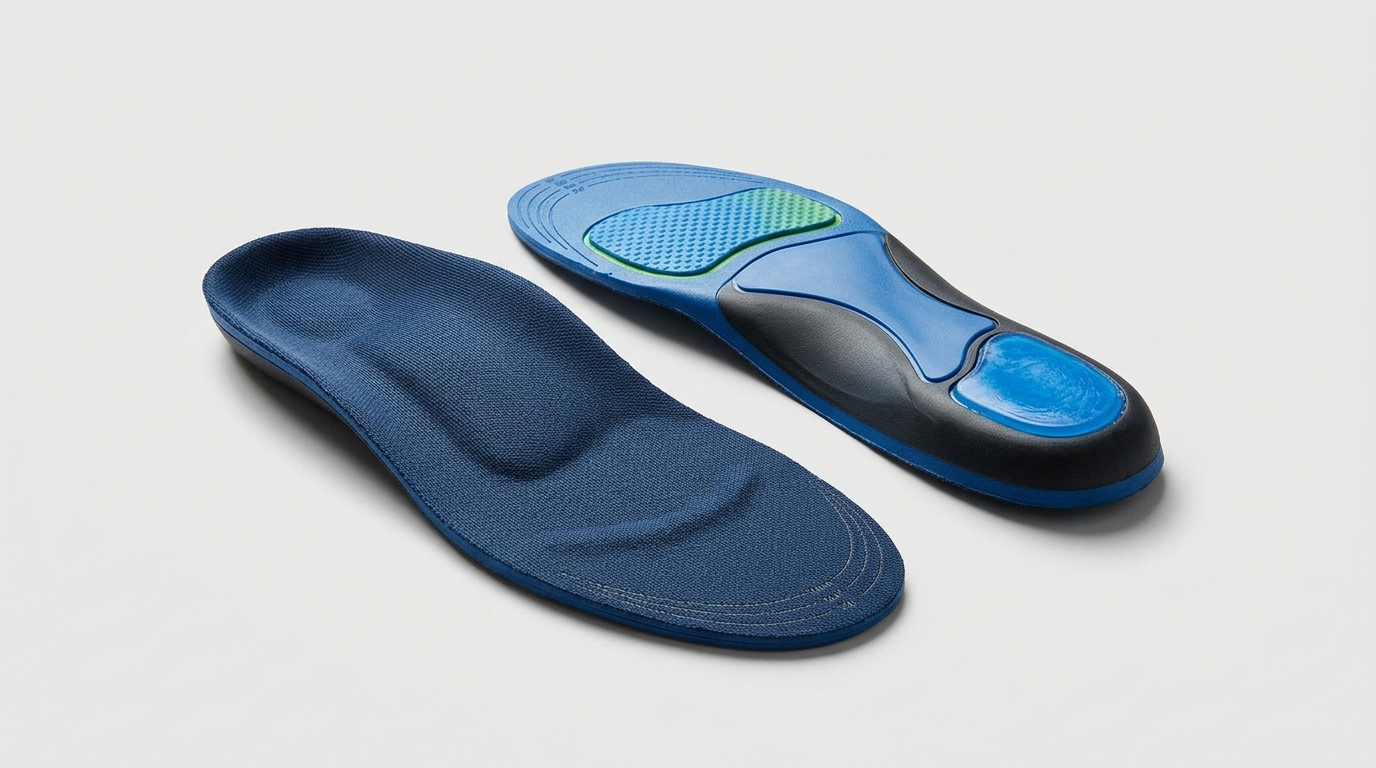
Posterior tibial tendonitis causes pain along the inside of the ankle and foot, often just behind and below the inner ankle bone, and it can make the arch feel tired, achy, or sore after standing or walking. The tendon in question runs down the inside of the leg and supports the arch, so when it becomes inflamed, the arch may start to sag and the foot may roll inward more than usual. Early symptoms are usually mild — a dull ache after activity that fades with rest — but if the tendon keeps getting overloaded, the pain can become more constant and the arch can flatten noticeably.
See a doctor promptly if you notice any of these:
- Pain that is severe, sudden, or follows an injury to the inner ankle
- A rapidly flattening arch or a foot that looks visibly different from the other one
- Swelling, redness, or warmth along the inner ankle
- Difficulty walking, standing, or going up stairs because of pain or weakness
- Pain that does not improve after two weeks of rest and supportive footwear
What posterior tibial tendonitis is and why it happens
The posterior tibial tendon is one of the most important tendons in the foot. It runs down the back of the calf, behind the inner ankle bone, and fans out under the arch. Its job is to hold the arch up and stabilise the foot when you walk. When it works well, you barely notice it. When it becomes inflamed, you notice it a great deal.
Posterior tibial tendonitis is usually an overuse problem. It is more common in adults over 40, in people who are overweight, and in people with flat feet, because a flat foot puts extra strain on the tendon with every step. It also shows up in runners, walkers, and people who stand all day, especially when activity increases suddenly or footwear offers little arch support. High blood pressure, diabetes, and previous ankle injuries are also associated with it.
The early signs are easy to miss. You might feel a dull ache on the inside of the ankle after a long walk, or notice that your arch feels sore by evening. Over time, the pain can spread along the inside of the foot and up the inner leg, and the foot may start to roll inward. If the tendon weakens further, the arch can collapse, a condition known as adult-acquired flatfoot. Catching it at the tendinitis stage is far easier to manage than dealing with a collapsed arch later.
It is worth distinguishing this from other inner-ankle pain. A sprain hurts after a twist, while posterior tibial tendonitis builds gradually. A stress fracture usually hurts in one very specific spot and worsens with weight-bearing. When in doubt, a clinician can sort it out with an examination and, if needed, imaging.
What helps posterior tibial tendonitis
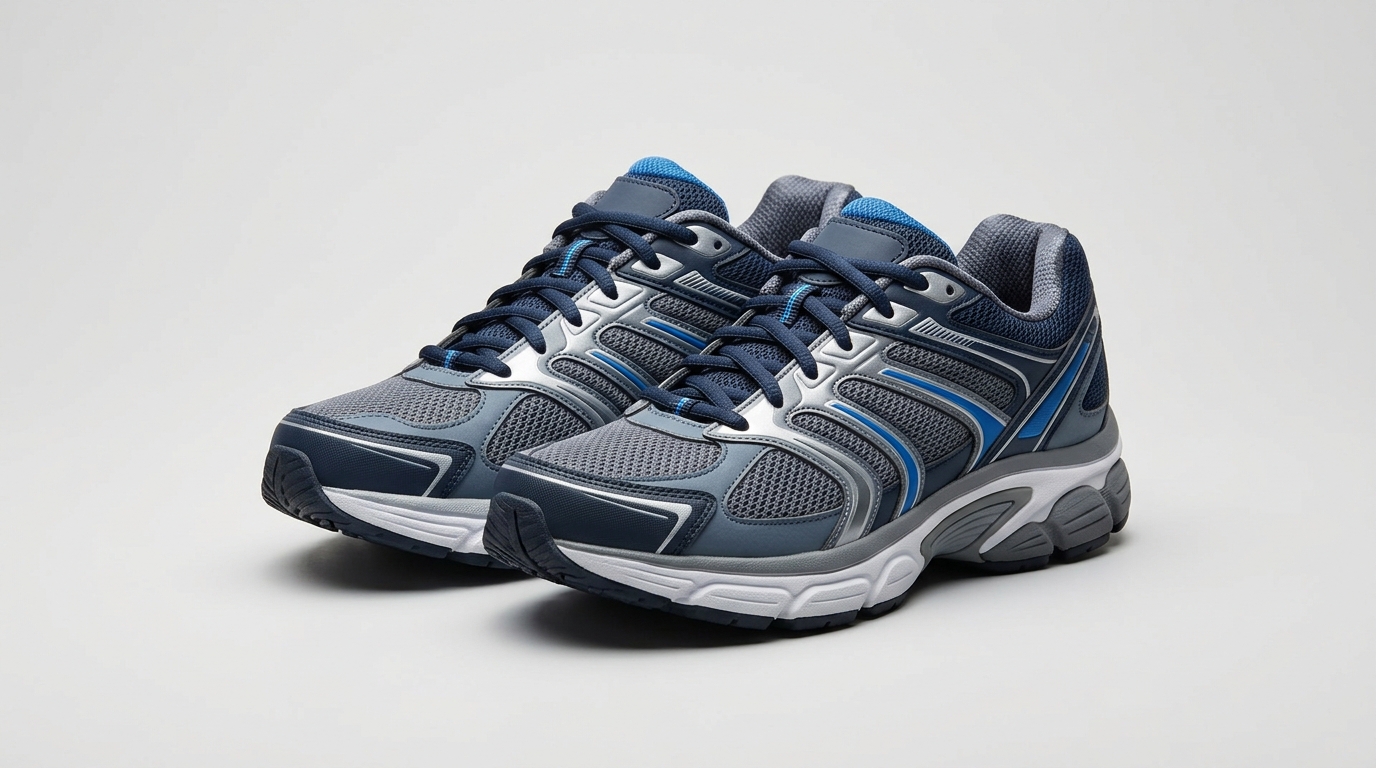
The first priority is to reduce the load on the tendon. That means resting from the activities that aggravate it, wearing shoes with firm arch support, and avoiding barefoot walking on hard floors. Over-the-counter pain relief and icing the inner ankle for 15 to 20 minutes a few times a day can calm the inflammation in the early stage.
Support is the long-term fix. The American Academy of Orthopaedic Surgeons notes that orthotics — either over-the-counter arch supports or custom-made ones — are a mainstay of treatment, because they hold the arch up and take work off the tendon. An ankle brace can add stability when the tendon is weak, and in more painful cases a walking boot for a few weeks may be needed to let the inflammation settle fully.
Once the pain eases, physical therapy helps rebuild the tendon’s strength and the arch’s support. Typical exercises include calf stretching, eccentric strengthening of the posterior tibial tendon, and balance work. Weight management matters too, since every extra pound increases the load on the arch with each step. The Cleveland Clinic advises that early treatment usually avoids surgery, but a tendon that has already torn or an arch that has collapsed may need a surgical opinion.
Be patient with recovery. Tendons heal slowly, and this one carries a heavy load all day. Returning to full activity too soon is the most common cause of relapse.
A daily routine for posterior tibial tendon pain
In the morning, put on supportive shoes or arch supports before you take your first steps, since the first steps of the day are often the most painful. Gentle calf stretching can help loosen things up.
During the day, avoid standing in one place for long stretches without moving, and skip flat, unsupportive shoes. If your feet ache by afternoon, sit down and ice the inner ankle for a few minutes.
In the evening, check whether the arch looks flatter than it did a few weeks ago, and note whether the pain is improving over time. If the arch is visibly collapsing or the pain is not easing, book an appointment.
Frequently asked questions
What does posterior tibial tendonitis feel like?
Usually a dull ache or soreness along the inside of the ankle and arch, worse after standing, walking, or running, and better with rest. The arch may feel tired or sore, and the foot may roll inward more than usual.
Can posterior tibial tendonitis cause flat feet?
Yes, if the tendon weakens over time it can no longer hold the arch up, leading to adult-acquired flatfoot. That is why early treatment with support and rest matters.
Do I need orthotics for posterior tibial tendonitis?
Most people benefit from them. Arch supports reduce the load on the tendon, and custom orthotics are often recommended when over-the-counter supports are not enough.
Can I keep walking with posterior tibial tendonitis?
Short, comfortable walks in supportive shoes are usually fine, but long walks, hills, and barefoot walking tend to aggravate it. Let pain be your guide and rest when it flares.
How long does posterior tibial tendonitis take to heal?
Mild cases often improve within a few weeks of rest and support. More established cases can take several months, and a tendon that has torn needs medical treatment.
Sources
- American Academy of Orthopaedic Surgeons — Posterior Tibial Tendon Dysfunction
- Cleveland Clinic — Posterior Tibial Tendonitis: Symptoms and Treatment
- Mayo Clinic — Flatfeet: Symptoms and Causes
This article is for information only and is not medical advice. If your arch is collapsing, your pain is severe, or it is not improving, talk to a healthcare professional for a proper diagnosis.