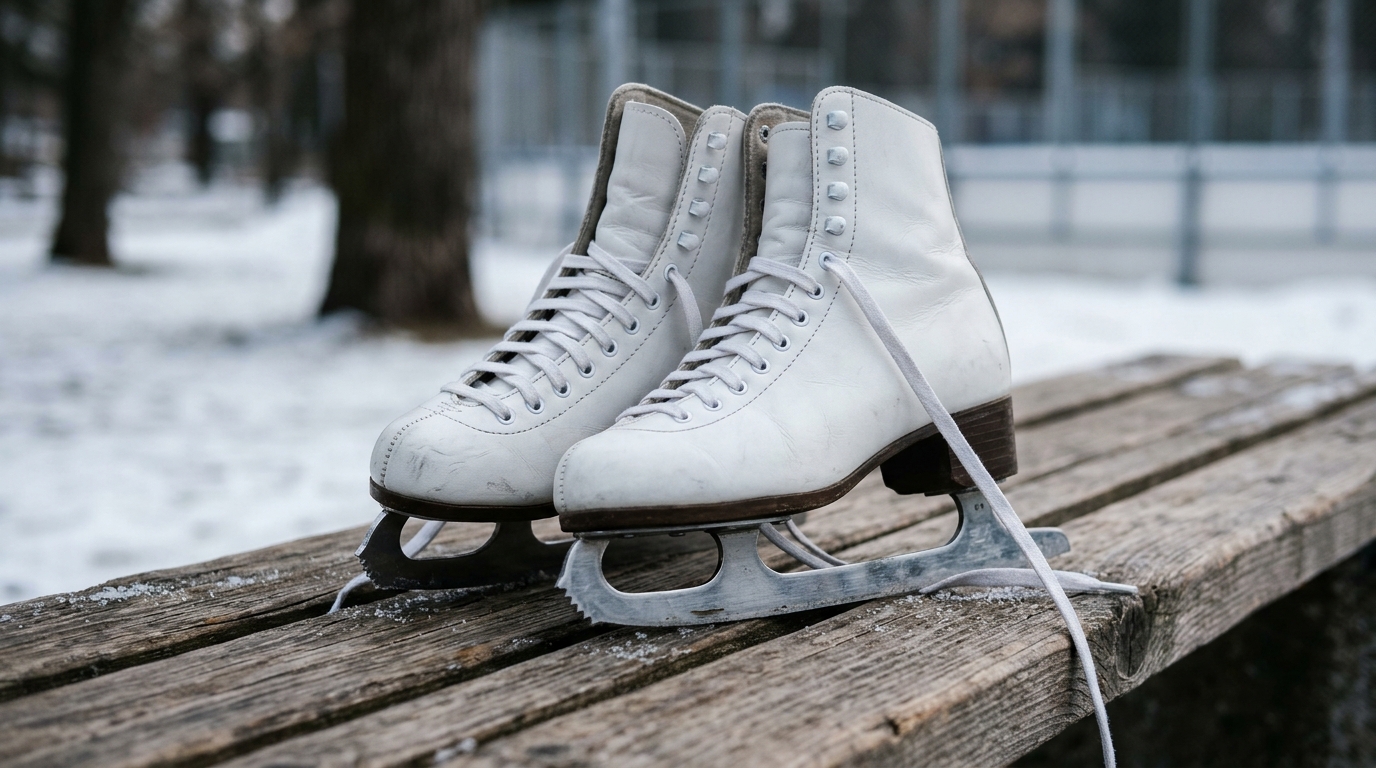
Quick Answer: Foot pain from ice skating usually comes from stiff, tight skate boots that squeeze the foot and rub the ankle, plus the cold and the strain of balancing on a thin blade. Most of it eases with better-fitting boots, warm socks, and short breaks. If the pain is sharp, numb, or lasts more than a couple of weeks, get it checked — it could be a lace bite, a sprain, or a stress injury.
See a doctor promptly if you notice:
- Sharp or severe pain in the foot or ankle
- Swelling, bruising, or a painful lump on the front of the ankle
- Numbness, tingling, or toes that stay cold and pale
- Pain that makes it hard to walk or skate
- Pain that keeps coming back or lasts more than two weeks
Why Ice Skating Is Tough on Your Feet
Ice skating is a strange mix of demands on your feet. You’re balancing on a blade barely a few millimeters wide, inside a stiff leather boot, on a freezing surface — and you’re asking your feet to push, turn, stop, and land jumps. It’s no wonder sore feet are one of the first things new skaters notice.
Most of the trouble starts with the boots. They’re deliberately stiff to hold your ankle upright, but that stiffness means your foot can’t move naturally, and any spot where the boot doesn’t match your foot shape gets rubbed raw. Add in the cold — which tightens muscles — and you’ve got a recipe for aching feet by the end of a session.
What It Is: The Most Common Causes
The most common cause is a poor boot fit. Boots that are too narrow squeeze the sides of your feet and cause pain along the outer edge or across the top of the foot. Boots that are too long let your foot slide forward, which crams your toes into the front and bruises them with every push.
Lace bite is a classic skater’s problem: a tender, sometimes swollen lump on the front of the ankle, right where the tongue of the boot presses. It happens when the laces are tied too tightly over the ankle, or when the boot’s tongue is too thin.
Arch and heel pain come from the stiffness, too. The boot holds your foot in a fixed position, so the muscles along the bottom of your foot work harder than usual — and the hard sole offers almost no cushioning. The Cleveland Clinic notes that repeated landings from jumps can cause stress injuries in the foot, so a pinpoint pain on the top or side of your foot after jump practice deserves attention.
The cold plays a part too: cold rinks tighten the muscles and tendons in your feet and lower legs, making everything stiffer and more prone to aching. If the cold itself bothers your feet, our guide to foot pain in cold weather explains why cold makes foot pain worse and what helps.
What Helps: Fit, Lacing, and Warming Up
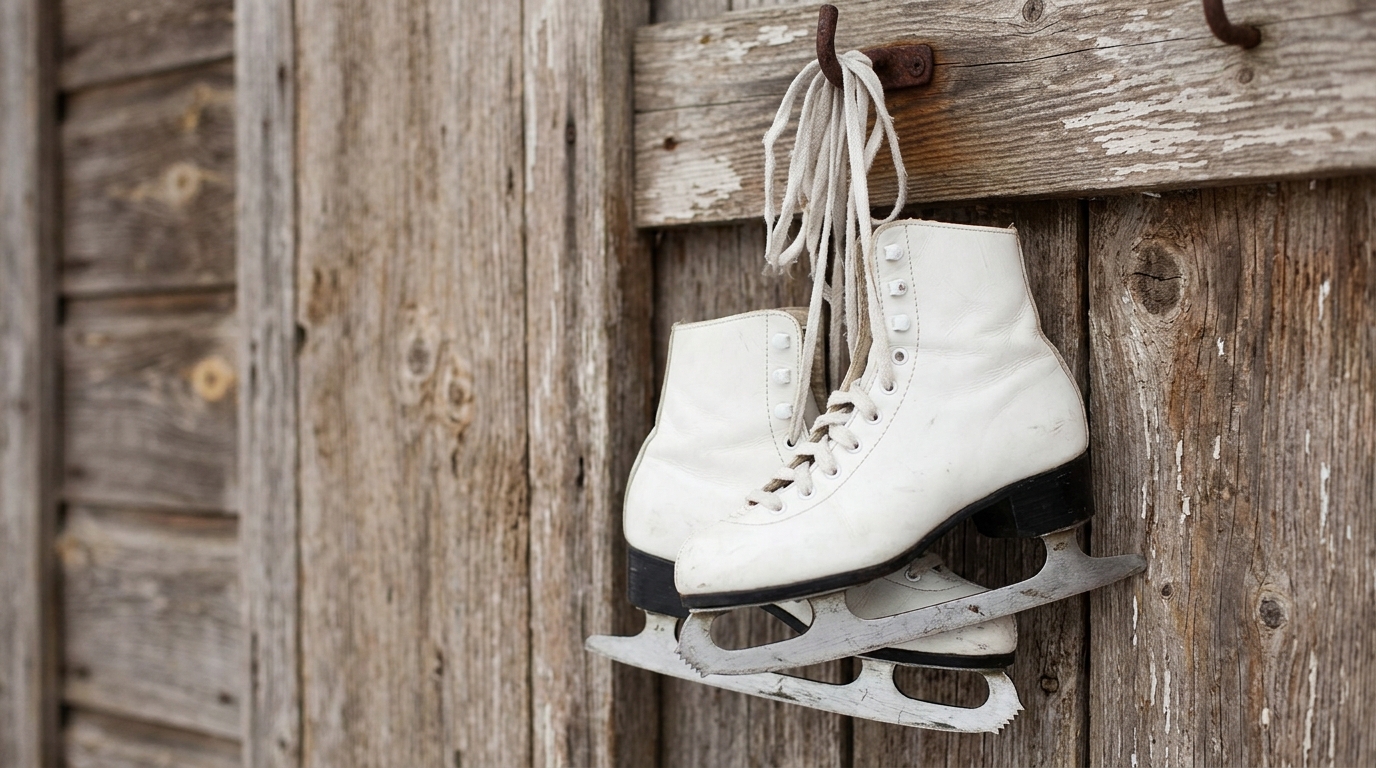
The single biggest fix is fit. If you skate regularly, get your boots fitted properly — a good fit means your heel stays put, your toes can wiggle slightly, and there’s no pressure point anywhere. The American Podiatric Medical Association recommends shoes and boots that match the shape of your foot, with enough room for your toes and firm support around the heel — the same rules apply to skate boots.
Lacing makes a real difference, too. Lace snugly around the ankle for support but looser over the top of the foot, so you’re not pressing down on the tendons there. If lace bite is your problem, try a gel pad or a folded piece of foam under the tongue of the boot — it spreads the pressure and usually eases the pain within a session or two.
Thin moisture-wicking socks keep your feet warmer and drier than thick cotton ones, and dry feet blister less. Warm up before you step on the ice: a few minutes of calf stretches and ankle circles loosens the muscles that stiffen up in the cold. The Mayo Clinic recommends stretching the calf and plantar fascia to reduce strain on the arch and heel, where ice skating pain often shows up.
If the boot itself is the issue, don’t overlook it: stiff boots in other winter sports cause the same problems. Our guide to foot pain from ski boots covers how tight, rigid boots create pressure points and what to do about them.
Your Daily Routine for Sore Skating Feet
Here’s a routine that works around your time on the ice:
- Before you skate: Do a few minutes of calf stretches and ankle circles off the ice, and wear thin moisture-wicking socks.
- Lace smart: Snug around the ankle, looser over the top of the foot — and add a gel pad under the tongue if you get lace bite.
- After every session: Take the boots off promptly, warm your feet up, and roll the bottom of each foot over a tennis ball for a few minutes.
- Stretch daily: A wall calf stretch each morning keeps the muscles that stiffen in the cold from tightening up over time.
- Rest when sore: If your feet are still aching the next morning, take a day off the ice — skating through pain turns a small ache into a real injury.
FAQs
Is foot pain normal when you start ice skating?
Yes, mild soreness in the arch, ankle, or top of the foot is common for beginners, and it usually fades as your feet get used to the boots. Sharp pain, numbness, or a painful lump is not normal and should be checked.
What is lace bite in ice skating?
Lace bite is a tender, sometimes swollen lump on the front of the ankle where the boot’s tongue and laces press down. Loosen the laces over the top of the foot and add a gel pad under the tongue — it usually improves within a few sessions.
Why do my arches hurt after ice skating?
The stiff boot holds your foot fixed, so the muscles along the bottom of your foot work harder than usual, and the hard sole offers almost no cushioning. Stretching your calves and rolling your foot over a tennis ball after skating helps.
Should I wear thick socks in ice skates?
Thick socks usually make the fit worse — they squeeze your foot and reduce circulation, which makes your feet colder. Thin moisture-wicking socks are better: they keep your feet warm and dry without changing the fit.
When should I see a doctor about foot pain from ice skating?
See a doctor promptly if you have sharp pain, swelling, a lump that won’t go away, numbness or tingling, or pain that lasts more than two weeks — these can signal a sprain, tendon irritation, or a stress injury.
Sources
- Mayo Clinic — foot pain causes and when to seek care
- Cleveland Clinic — stress injuries and foot pain information
- American Podiatric Medical Association — footwear and sports injury guidance
This article is for general information only and is not medical advice. Talk to your doctor or a podiatrist about your own feet.