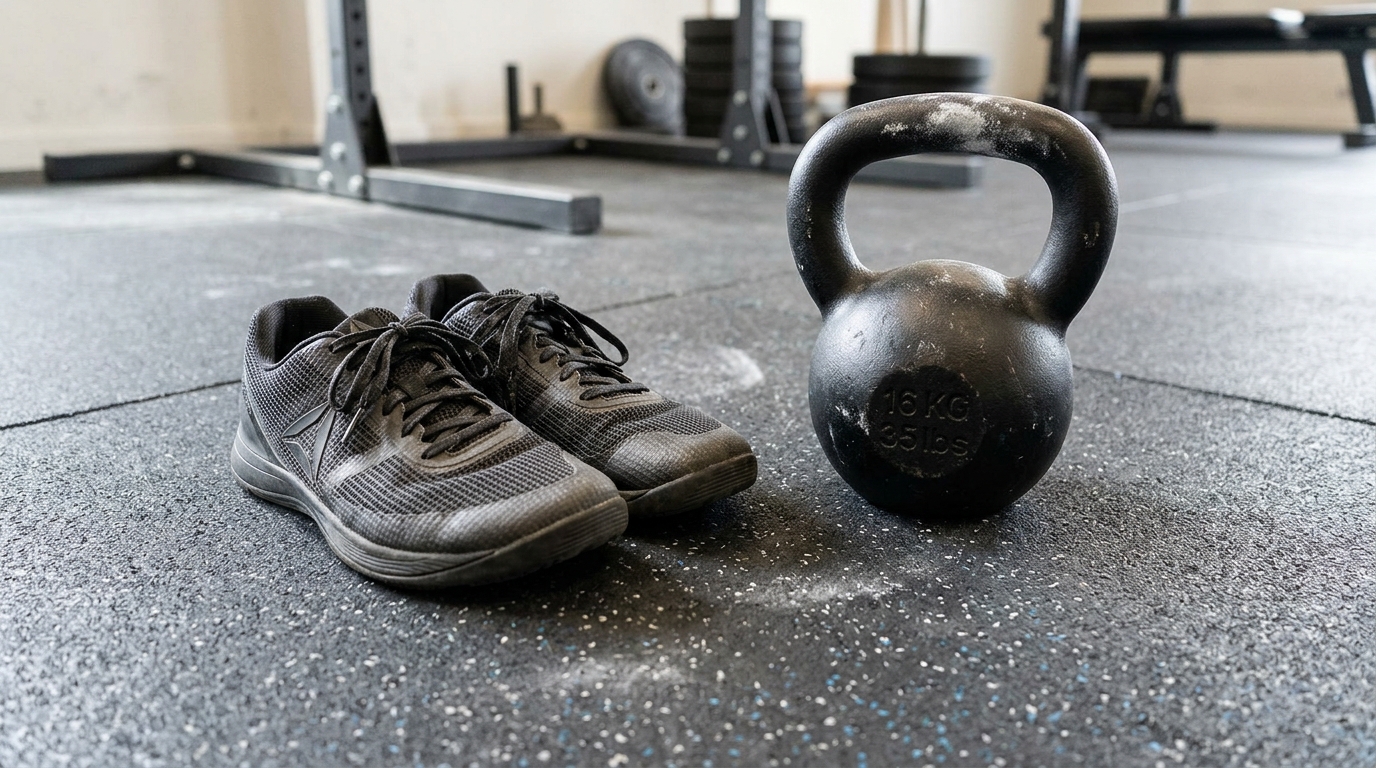
Quick Answer: In short, foot pain from crossfit usually comes from mixing jumping, heavy lifting, and rope climbs in one workout — box jumps slam your heels, flat lifting shoes offer no cushioning, and rope climbs rub your arches raw. It usually eases with rest, the right shoes, and stretching. If it stays sharp, lasts more than a couple of weeks, or comes with swelling, get it checked by a doctor or podiatrist.
See a doctor promptly if you notice:
- Sharp or severe pain in the heel, arch, or a single spot on a bone
- Pain that makes walking or putting weight on your foot difficult
- Swelling, redness, or warmth that doesn’t settle within a day or two
- Numbness, tingling, or a burning feeling in your foot or toes
- Pain that keeps coming back after every workout despite rest
Why CrossFit Can Hurt Your Feet
CrossFit is not one sport — it’s five or six squeezed into a single workout. In one WOD you might box jump, climb a rope, lift a barbell, and run 400 metres. Your feet have to switch between landing, gripping, bracing, and sprinting with almost no recovery in between.
The shoes make it harder. CrossFit shoes are flat and stiff by design, built to keep you stable under a barbell. That’s great for a heavy squat, but it means almost no cushioning when you land a box jump or sprint across the floor — your heels and arches absorb the full impact. Then there’s the pace: a WOD is timed, and when the clock is running, form is the first thing to go. You land a box jump flat-footed, you rush a rope climb and drag your feet against the rope. Every sloppy rep adds a little more strain, and it all lands in the same place — your feet. Our guide to foot pain from weightlifting covers the same flat-shoe strain under the bar.
What It Is: The Most Common Causes
Box jumps are the biggest culprit. When you’re tired you land flat-footed or on your heels instead of rolling through the balls of your feet, and after fifty reps your heels and arches are pounded. Catching your foot on the edge of the box can leave a bruise that stings for days.
Rope climbs are the most obvious cause of sore feet. The rope rubs against the top of your foot and your arch as you grip and climb, and after a few ascents the skin can be raw or blistered. A thin shoe offers almost no protection.
Heavy lifting loads your feet differently. Under a heavy squat or deadlift, your whole body weight plus the bar presses down through your feet, and if your weight shifts forward onto your toes, the balls of your feet take the lot. Flat lifting shoes keep you stable but don’t cushion the load, so the tissue under your forefoot gets compressed rep after rep.
Running in lifting shoes makes everything worse. Many WODs include a run, and flat, stiff shoes with no heel cushioning send a jolt through your heels with every stride. And the sheer variety is part of the problem: your feet never get to adapt to one kind of load, because tomorrow’s workout asks something completely different of them. Our guide to foot pain from jumping explains how repeated hard landings build up into lasting soreness — the same pattern shows up in box jumps.
What Helps: Shoes and Technique for the WOD
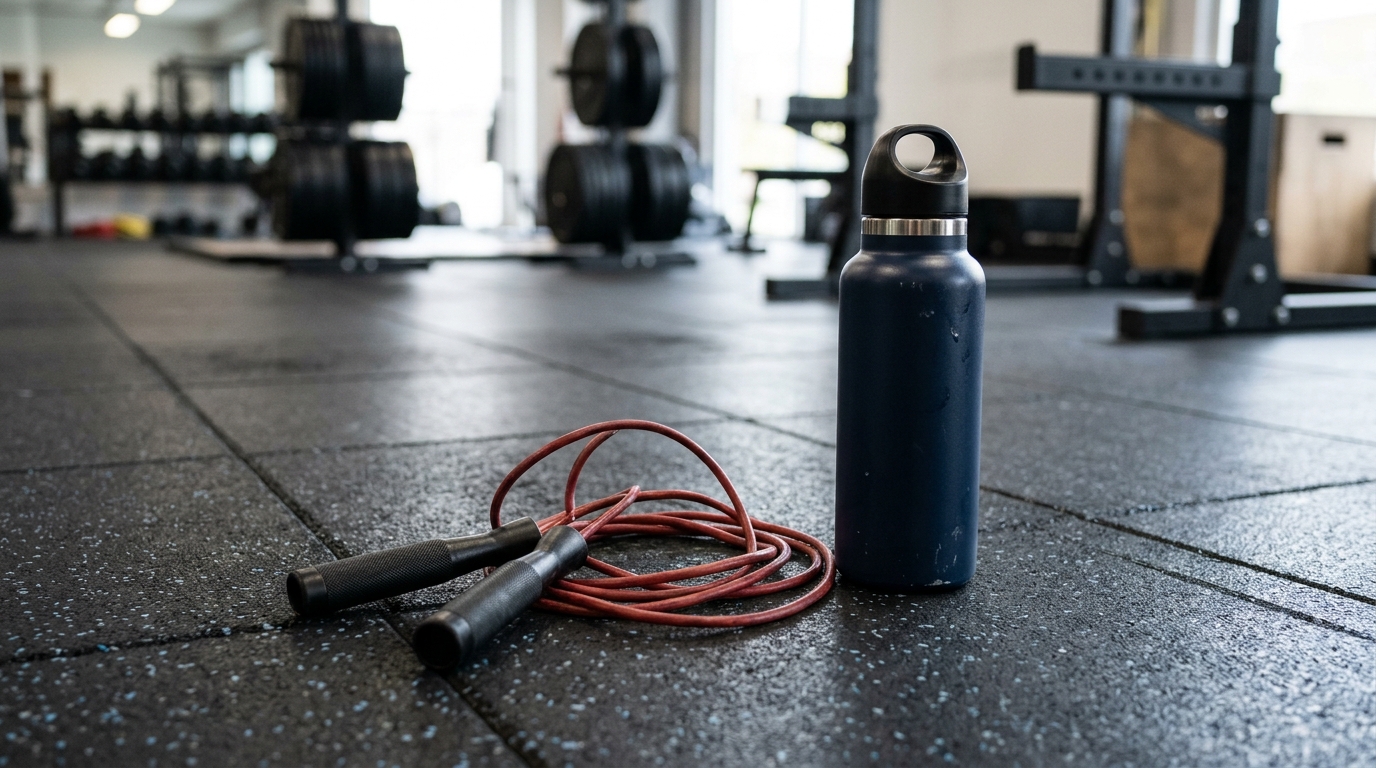
The first fix is landing softly. On box jumps, land on the balls of your feet and roll through to a soft, bent-knee landing, instead of slapping down flat-footed. Step down instead of jumping down — stepping down cuts the impact in half.
Protect your feet on rope climbs. A pair of rope-climb guards or a strip of tape across the top of your foot stops the rope from chewing up your skin, and a proper foot lock means your feet grip instead of sliding and burning.
Consider two pairs of shoes: a flat, stable lifter for heavy strength days and a cushioned trainer for WODs with running and jumping. The Cleveland Clinic notes that matching your shoe to the activity is one of the simplest ways to reduce foot pain during exercise — and CrossFit is the sport where that advice matters most.
What Helps: Recovery After a Workout
After a hard WOD, get out of your training shoes and into something soft and supportive as soon as you can. Ice the sore spot for ten to fifteen minutes if it’s swollen or tender, and roll the bottom of your foot over a tennis ball for a few minutes to loosen tight tissue.
Rest a day if the ache is still there the morning after — training through sore feet changes how you jump and lift, and that compensation turns a small ache into a real injury.
Your Daily Routine for Happier Feet in the Box
Here’s a routine to keep your feet comfortable through your CrossFit training:
- Stretch your calves and arches daily: A wall calf stretch and a few ankle circles each morning take two minutes and keep your heels and arches loose.
- Strengthen your feet: Toe spreads, towel scrunches, and single-leg balance build the small muscles that support your arches.
- Pick the right shoes for the workout: Lifters for heavy strength days, cushioned trainers for WODs with running and jumping.
- Tape your feet for rope climbs: Tape across the top of your foot stops the rope from chewing up your skin.
- Recover after every session: Roll sore feet over a tennis ball, ice anything swollen, and swap into supportive shoes.
FAQs
Is foot pain from crossfit normal?
Mild soreness in the heels or arches after a WOD with lots of box jumps or rope climbs is common and usually fades with rest and better technique. Sharp or persistent pain is not normal and should be checked.
Why do my heels hurt after box jumps?
Tired legs land flat-footed instead of rolling through the balls of the feet, so your heels take the full impact. Landing softly and stepping down instead of jumping down usually helps.
Can CrossFit cause plantar fasciitis?
CrossFit can irritate the plantar fascia, especially with tight calves and lots of jumping. Rest, calf stretching, and supportive shoes usually help — persistent heel pain should be checked by a doctor.
Should I wear lifting shoes or trainers for CrossFit?
It depends on the workout: flat lifting shoes are best for heavy squats and deadlifts, while cushioned trainers are better for WODs with running and jumping.
When should I see a doctor about foot pain from crossfit?
See a doctor promptly if the pain is sharp or severe, if swelling doesn’t settle, if you can’t put weight on your foot, or if it keeps coming back despite rest and changing your shoes or technique.
Sources
- Mayo Clinic — plantar fasciitis causes and symptoms
- Cleveland Clinic — arch pain and calf tightness information
- American Podiatric Medical Association — foot strengthening exercises
This article is for general information only and is not medical advice. Talk to your doctor or a podiatrist about your own feet.