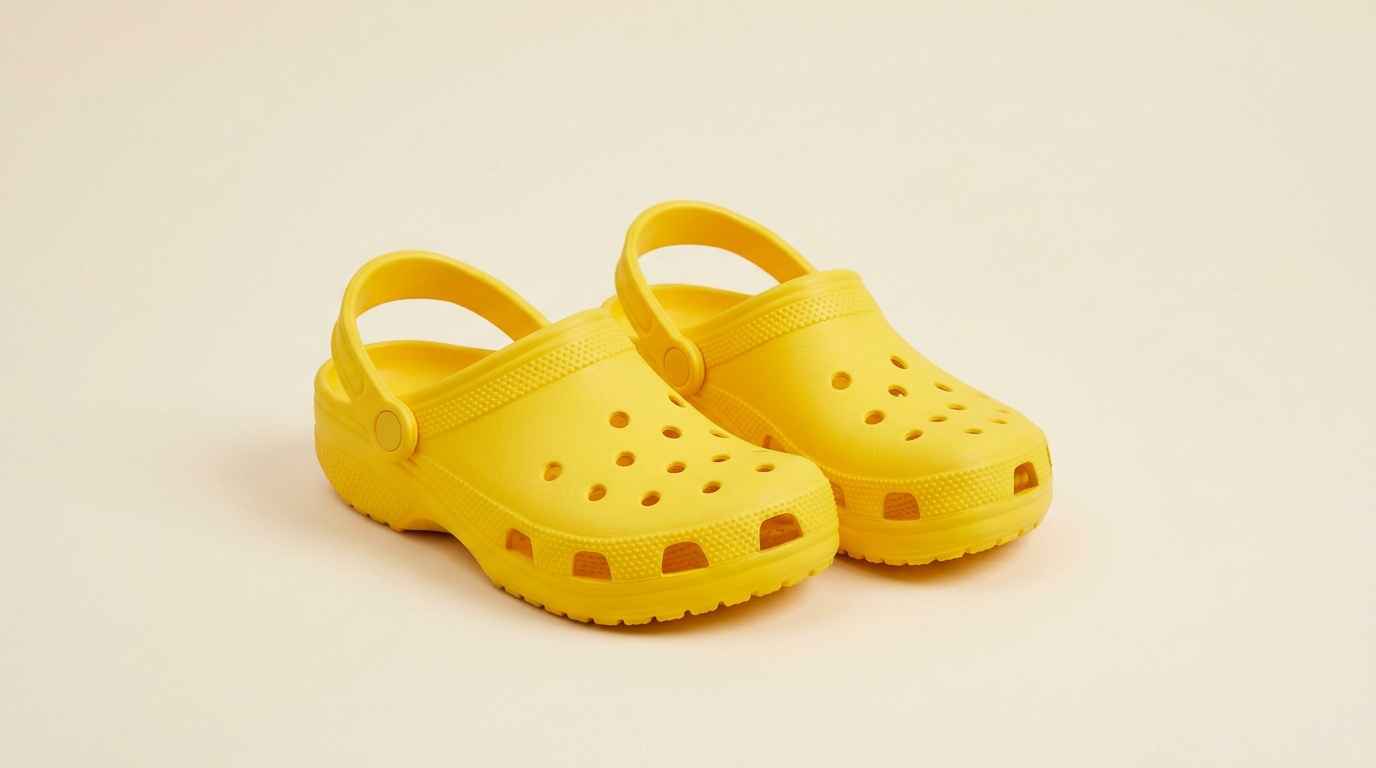
Quick Answer: In short, foot pain from wearing crocs usually comes from the loose fit and the flat, soft sole. Without a snug heel or real arch support, your toes grip to keep the shoe on and your arches work overtime with every step. That leaves your feet tired and aching. Short wear is usually fine, but hours of walking can leave you hurting. Supportive insoles and shorter wear usually fix it.
See a doctor promptly if you notice:
- Sharp or severe pain in the heel, arch, or one spot on a bone
- Swelling, redness, or warmth that doesn’t settle after a day or two of rest
- Numbness, tingling, or a burning feeling in your feet or toes
- Pain that makes walking or putting weight on your foot difficult
- A wound, sore, or blister that won’t heal — especially if you have diabetes
Why Crocs Can Hurt Your Feet
Crocs feel like the comfiest shoes on earth the moment you slip them on — soft foam, roomy fit. So why do so many people end up with aching feet after a day in them? Because soft and roomy isn’t the same as supportive, and your feet notice the difference after a few thousand steps.
The first problem is the loose heel. Crocs are designed to slip on and off easily, and even with the strap down, your heel lifts inside the shoe with every step. To stop the shoe sliding off, your toes curl and grip all day, tiring out the small muscles in your feet and leaving your arches aching by evening.
The second problem is the flat sole. Crocs have almost no arch support. If you have flat feet or high arches, a flat foam sole gives you nothing to lean on. Your arches collapse a little more with each step and your plantar fascia — the band of tissue along the bottom of your foot — takes more strain than it should. That’s why foot pain from wearing crocs often shows up as heel pain first thing in the morning.
What It Is: The Most Common Causes
Plantar fasciitis is the most common culprit. Hours of walking on a flat, soft sole stretches and irritates the fascia, and the loose fit makes your toes grip on top of that. The tell-tale sign is a sharp ache in the heel with your first steps out of bed, which eases as you move and returns by the end of the day.
Metatarsalgia — pain in the ball of your foot — is next. Without arch support, your weight shifts forward onto the front of your foot, and the soft foam doesn’t spread the pressure evenly. If you walk a lot in Crocs, the balls of your feet can feel bruised and tender. Our guide to foot pain from slippers describes the same loose-shoe gripping problem.
Then there are the smaller miseries. The wide fit lets your foot slide side to side, rubbing blisters on your heels or between your toes. And because Crocs feel so easy, people wear them far longer than they should — fine for an hour in the garden, a problem after a full day of errands. Our guide to foot pain from sandals covers the same problem with loose, open footwear.
What Helps: Wearing Crocs More Safely
You don’t have to give up your Crocs — you just have to wear them the way they were meant to be worn. Keep them for short trips: the garden, the mailbox, a quick shop. For anything longer than an hour or two of walking, switch to a shoe with a snug heel and real arch support.
Always wear the strap down, behind your heel. It’s tempting to flip it forward into slide mode, but the strap is what holds your heel in place. With the strap up, your toes do the gripping instead, and that’s where the fatigue starts. Thin socks help too — less friction, less sliding inside the shoe.
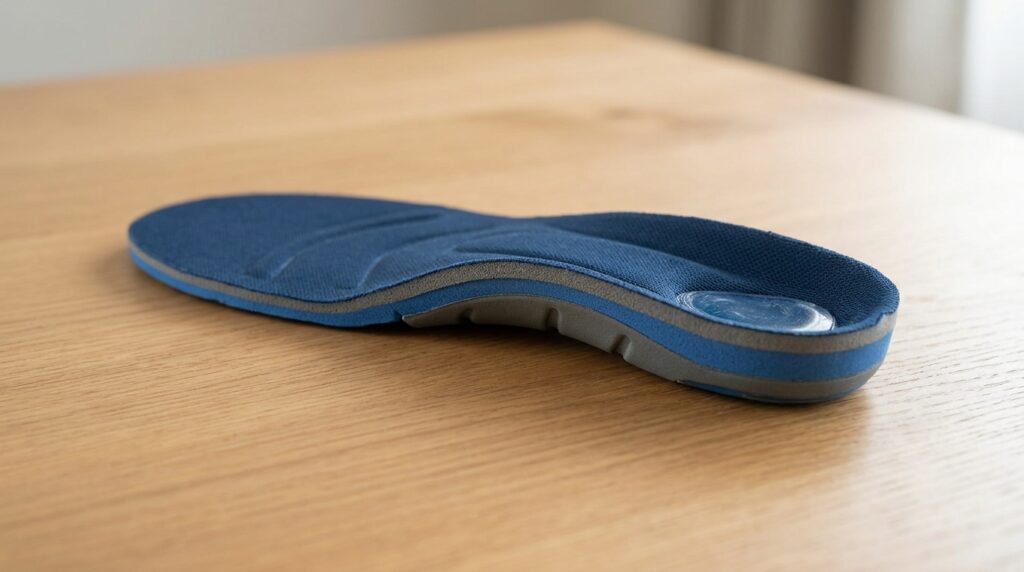
If you wear them daily, a supportive insole is the best upgrade you can make. Look for a full-length insole with a proper arch shape and drop it in. It won’t turn a Croc into a walking shoe, but it gives your arches something to lean on.
What Helps: Recovery After a Long Day in Crocs
When your feet ache after a day in Crocs, get out of them and into something supportive. Roll each foot over a tennis ball or a frozen water bottle for a few minutes, and stretch your calves against a wall: step one foot back, press the heel down, and hold for thirty seconds a side.
A cool soak helps hot, swollen feet — ten minutes in cool water, then dry them properly, especially between the toes. If the balls of your feet are tender, rest them for a day and keep your next outings short. Most Croc-related soreness fades within a day or two once you stop overloading your feet. If heel pain keeps coming back every morning for more than a couple of weeks, get it checked.
Your Daily Routine for Happier Feet in Crocs
A routine that keeps Crocs in your life:
- Save Crocs for short wear: Garden, mailbox, quick errands — under an hour or two.
- Keep the strap down: Behind your heel every time, so your toes don’t grip.
- Drop in supportive insoles: A full-length arch insole makes a real difference.
- Wear thin socks: Less friction, less sliding.
- Stretch and roll after long days: Five minutes eases tired arches.
FAQs
Is foot pain from wearing crocs common?
Yes — especially for people who wear Crocs for hours of walking. The loose heel and flat sole make your toes grip and your arches work harder, which leaves feet tired and sore. Short wear is usually fine; it’s the long days that cause trouble.
Why do my heels hurt after wearing Crocs all day?
Without arch support, your fascia takes extra strain with every step, and the loose fit adds constant toe gripping. That irritates the heel, often as a sharp ache with your first steps in the morning.
Can Crocs cause plantar fasciitis?
They can contribute to it, especially with long hours of walking, flat feet, or tight calves. Rest, calf stretching, and supportive insoles usually help, but heel pain lasting more than a couple of weeks should be checked by a doctor.
Do insoles help with Crocs?
Yes — a full-length insole with a real arch shape is the single best upgrade. It gives your arches support and spreads pressure across your whole foot. Trim it to fit.
Are Crocs bad for your feet?
Not for short wear — they’re light, cushioned, and easy on sore feet for quick trips. The trouble starts when you walk in them for hours every day, because the loose heel and flat sole ask your feet to do extra work.
Sources
- Mayo Clinic — plantar fasciitis causes and symptoms
- Cleveland Clinic — foot pain from unsupportive shoes
- American Podiatric Medical Association — choosing supportive footwear
This article is for general information only and is not medical advice. Talk to your doctor or a podiatrist about your own feet.