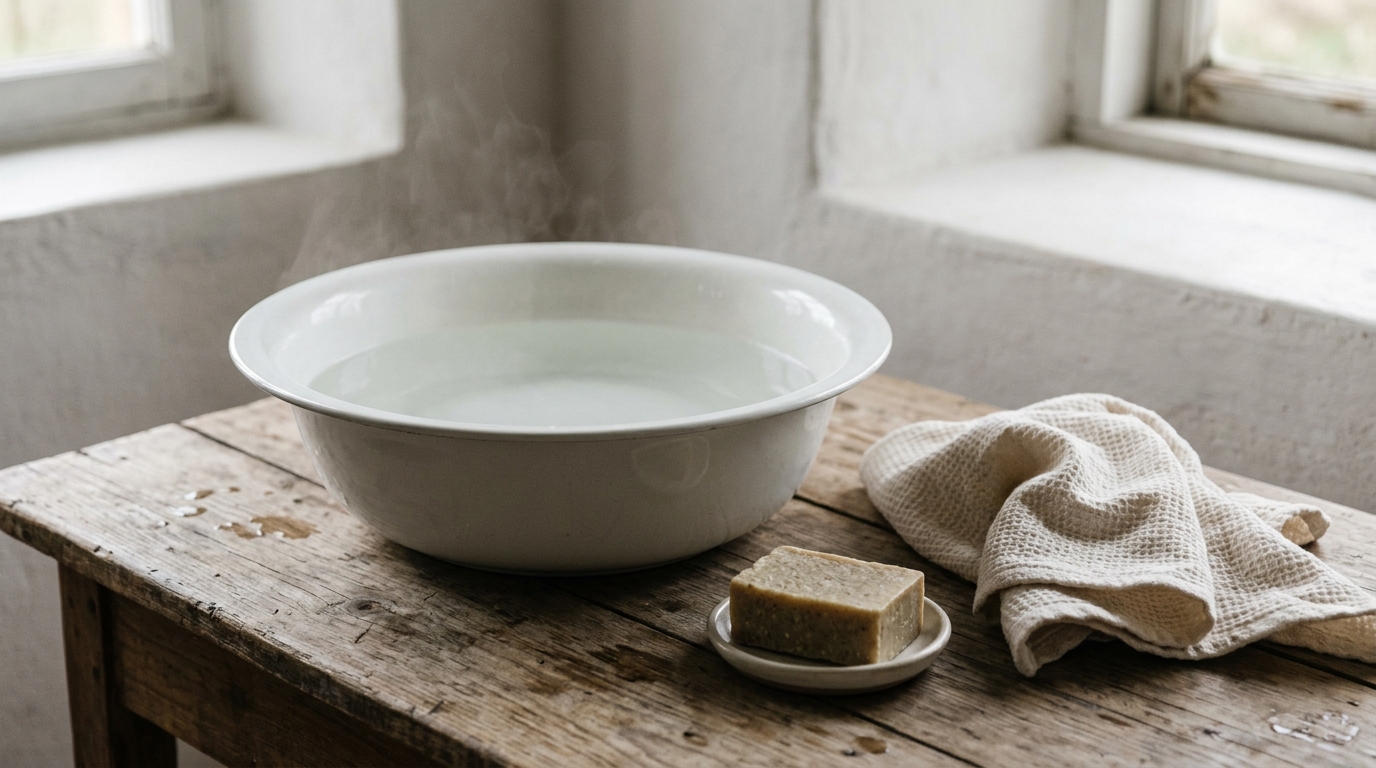
How to wash your feet properly comes down to a few steps most people rush: use warm water and mild soap, wash the tops, soles, and between every toe, rinse well, and then dry thoroughly — especially between the toes. That last step is the one that matters most, because fungus and odor thrive in damp spaces between the toes. Wash your feet every day, in the shower or with a basin, and follow up with moisturizer on the soles and heels (never between the toes) and a fresh pair of socks. The whole routine takes about three minutes and prevents a surprising number of common foot problems.
See a doctor promptly if you notice any of these:
- Redness, itching, or peeling between the toes that does not improve
- A cut, blister, or sore on the foot that will not heal
- Swelling, warmth, or drainage from any foot wound
- Loss of feeling in your feet, or feet that feel unusually cold
- Any foot wound at all if you have diabetes or poor circulation
Why most people do not wash their feet well enough
Most people wash their feet by standing in the shower and letting soapy water run down their legs. That is not really washing your feet. The water that reaches them is diluted, it barely touches the spaces between the toes, and it does nothing for the soles, where dirt, dead skin, and sweat build up. The result is feet that look clean but are not — and the warm, damp gaps between the toes become a perfect home for athlete’s foot fungus and odor-causing bacteria.
Proper foot washing is a small, deliberate act: soap applied directly, every surface covered, and drying done with the same care as washing. It matters for everyone, but especially for people with diabetes, who may not feel small injuries, and for anyone prone to athlete’s foot, foot odor, or cracked heels. A good wash is also your daily chance to spot problems early — a blister, a red patch, a nail starting to grow inward — before they become something worse.
How to wash your feet properly, step by step
Start with warm water. Use warm, not hot, water — hot water strips the skin’s natural oils and can scald feet with reduced feeling. Test the temperature with your hand or elbow first if you have diabetes or neuropathy, since you may not feel heat accurately in your feet.
Apply mild soap directly to the feet. Use a washcloth, sponge, or your hands, and wash the tops of the feet, the soles, the heels, and the ankles. Then wash between every toe, one gap at a time — this is the step most people skip, and it is the most important one. Use gentle pressure; scrubbing hard irritates the skin and can cause small cracks that invite infection.
Rinse thoroughly. Soap left on the skin, especially between the toes, dries and irritates it, so rinse until the water runs clear and the skin feels clean rather than slippery.
Dry thoroughly, especially between the toes. Pat dry with a clean towel — do not rub vigorously — and take extra time on the spaces between the toes. If your feet tend to stay damp, a hair dryer on a cool setting or a dusting of antifungal powder between the toes helps. This drying step is what actually prevents athlete’s foot.
Finish with moisturizer and fresh socks. Apply moisturizer or foot cream to the soles and heels to prevent dryness and cracking, but keep it away from between the toes, where it traps moisture. Then put on clean, dry socks. If you washed your feet in a basin rather than the shower, the same steps apply.
Common mistakes and when to get help
The most common mistakes are relying on shower runoff instead of washing directly, skipping between the toes, using water that is too hot, and rubbing dry instead of patting. Another is soaking feet for long periods: a quick soak can soften skin, but soaking for more than ten minutes, especially in hot water, dries the skin out and can macerate it, making it more vulnerable to infection.
People with diabetes should wash their feet daily, inspect them every day, and never soak them in hot water or use heating pads on them, since reduced feeling raises the burn risk. If you find a cut, blister, or red patch, clean it, cover it, and watch it closely — and get medical advice promptly if it does not heal, since foot wounds in diabetes can escalate quickly.
Good foot washing is simple, but it is the foundation of foot health. Three minutes a day, done properly, prevents more problems than most foot products ever will.
Frequently asked questions
How often should I wash my feet?
Every day. People who sweat heavily, work on their feet, or are prone to athlete’s foot may benefit from washing twice a day or changing socks midday.
Should I use hot water to wash my feet?
No — warm water only. Hot water dries the skin and can burn feet with reduced feeling, especially in people with diabetes or neuropathy.
Do I need special soap for my feet?
No. A mild, plain soap is best. Antibacterial or heavily fragranced soaps can irritate the skin and are not necessary for daily washing.
Why is drying between the toes so important?
Because fungus thrives in warm, damp spaces. Moisture left between the toes is the main cause of athlete’s foot and contributes to odor and skin breakdown.
Should I soak my feet every day?
No. Daily washing is enough. Long soaks dry the skin out and can damage it, especially for people with diabetes. A short soak once in a while is fine.
Sources
- American Diabetes Association — Foot Care
- Mayo Clinic — Athlete’s Foot: Prevention and Self-Care
- Cleveland Clinic — How to Wash and Care for Your Feet
This article is for information only and is not medical advice. If your foot pain is severe, sudden, or not improving, talk to a healthcare professional for a proper diagnosis.