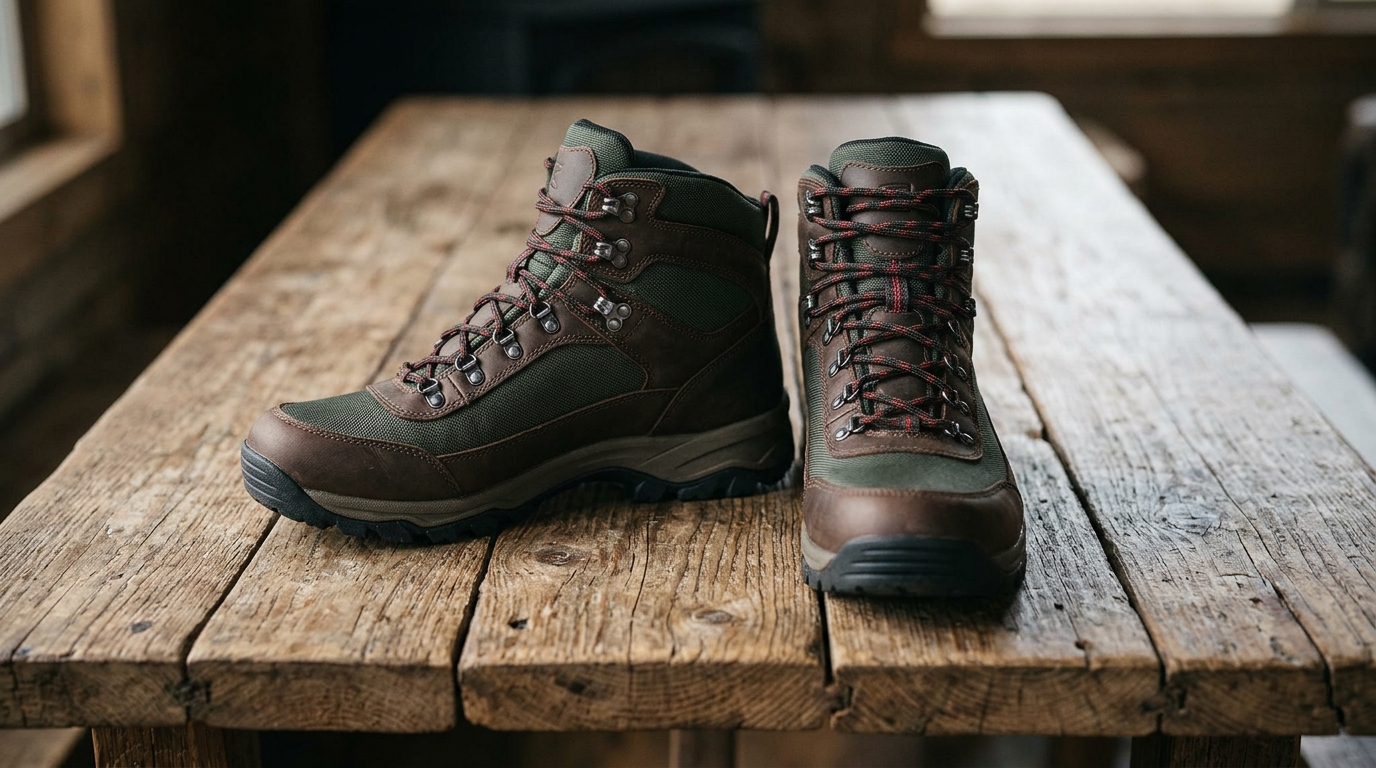
Foot pain from hiking is usually caused by the extra load of downhill walking, boots that do not fit well, or feet that are not used to rough, uneven ground. Downhill steps drive force into the forefoot and toes, long climbs strain the Achilles and calves, and wet socks and friction create blisters that can end a hike early. Prevention is straightforward: well-fitted boots broken in before the trail, moisture-wicking socks, supportive insoles, and a gradual build-up of distance and elevation. Most foot pain from hiking is simple soreness that fades in a day or two, but sharp pain, swelling, or a blister that looks infected deserves attention.
See a doctor promptly if you notice any of these:
- Sharp or sudden foot pain, or pain that makes it hard to put weight on the foot
- Swelling, bruising, or a foot that looks deformed after a fall or twist
- A blister that is red, warm, oozing, or surrounded by spreading redness
- Numbness, tingling, or toes that stay cold and pale after the hike
- Foot pain that does not improve within a few days of rest
Why hiking is hard on your feet
Hiking asks a lot of your feet. On flat ground, each step loads your foot with roughly your body weight. On a steep downhill, that load multiplies, and it lands hardest on the forefoot and toes as your foot slides forward inside the boot. That sliding bruises toenails, jams toes against the front of the boot, and creates the hot spots that become blisters. On long climbs, the Achilles tendon and calves work overtime, which is why the heel and ankle can ache after a steep ascent.
Uneven ground adds another layer. Rocks, roots, and loose gravel force your ankles to adjust constantly, which is great for balance but tiring for the small stabilizing muscles of the foot. If your boots are stiff, heavy, or poorly fitted, your feet fight the boot as well as the trail. And a heavy pack changes everything — every extra pound adds load to your feet with each step, which is why a long hike with a full pack hurts far more than a short walk in the same boots.
Fitness matters more than most hikers expect. Feet used to flat sidewalks and office shoes are not ready for ten miles of rocky trail, and the soreness that follows is just unconditioned tissue protesting. Blisters, the most common hiking injury, are almost always a fit and friction problem: damp skin, a wrinkle in a sock, or a boot a half-size too small will blister anyone, however experienced.
Prevention that actually works
Get the boot fit right. Buy hiking boots in the afternoon, when your feet are slightly swollen, wearing your hiking socks. Your toes should have a thumb’s width of space in front, your heel should not lift when you walk uphill, and the widest part of your foot should sit in the widest part of the boot. Break boots in with short walks before a big hike — never take new boots on a long trail. If your feet slide forward on downhills, try heel-lock lacing, which holds the heel in place without squeezing the forefoot.
Choose socks carefully. Moisture-wicking wool or synthetic socks keep feet drier than cotton, and dry skin blisters less. A thin liner sock under a thicker hiking sock reduces friction. Carry a spare pair and change them at midday on long hikes — fresh, dry socks halfway through can save your feet.
Use supportive insoles. The flat insoles that come with most boots offer little arch support. A supportive insole, or a custom orthotic for flat feet or high arches, spreads the load and reduces fatigue on long days. Trekking poles help too: they take load off your feet and knees, especially on downhills, and steady you on uneven ground.
Build up gradually. If you are new to hiking, do not jump to a ten-mile trail with big elevation. Start with shorter, flatter hikes and add distance and climbing over a few weeks. Your feet, ankles, and calves adapt — but they need time. On the trail, stop to deal with a hot spot the moment you feel it: moleskin or blister tape applied early prevents a blister; applied late, it covers one.
Keep your feet dry. Stream crossings, rain, and sweat all soften skin and increase friction. Waterproof boots help in wet conditions, but they also trap sweat, so gaiters and quick-drying socks matter. At camp, get out of wet boots, dry your feet, and let them air out.
When hiking foot pain signals injury
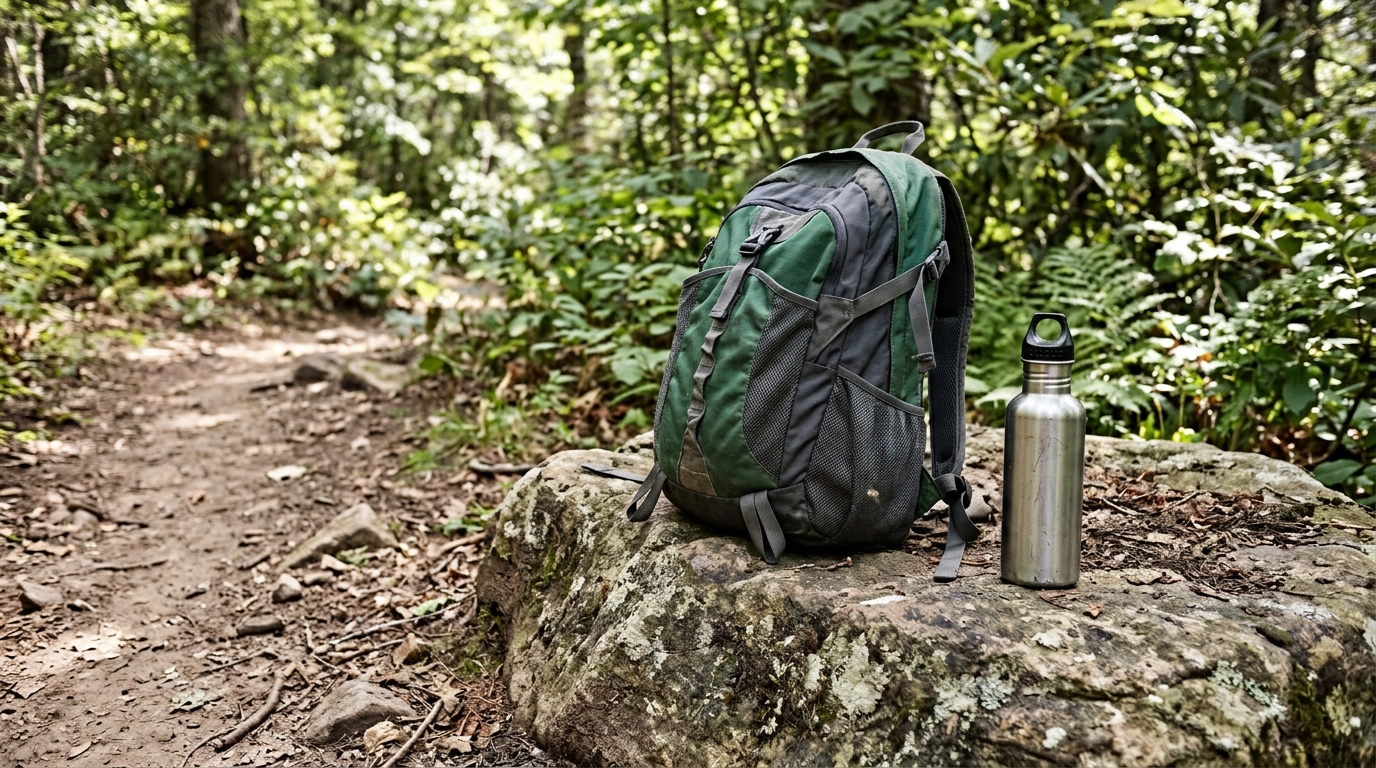
Most foot pain from hiking is soreness and blisters, and it fades within a day or two of rest. But get checked if the pain is sharp, makes it hard to bear weight, or does not improve after a few days. A twisted ankle with swelling and bruising may be a sprain or a fracture, and a deformed-looking foot after a fall needs urgent care. Stress fractures — tiny cracks from repeated loading — often start as a dull ache in the forefoot or heel that worsens with walking and eases with rest, and they need a doctor’s diagnosis and time off the trail. Toenails that turn black after a long downhill are usually bruised from sliding forward in the boot, but if the toe is very painful or the nail lifts, get it checked.
Hiking is one of the best things you can do for your health, and your feet are the engine. Fit your boots properly, wear the right socks, build up your miles gradually, and stop for hot spots early — and the trail stays a pleasure instead of a punishment.
Frequently asked questions
Why do my feet hurt most on downhills?
Downhill steps drive extra force into the forefoot and toes, and your feet slide forward inside the boot. Trekking poles, heel-lock lacing, and good boots reduce this.
How do I prevent blisters when hiking?
Wear moisture-wicking socks, break boots in before the trail, and tape any hot spot the moment you feel it. Dry feet and well-fitted boots are the best prevention.
Should I wear boots or trail shoes for hiking?
Boots suit rough, steep, or heavy-pack hiking; trail shoes suit lighter, well-maintained trails. Either way, fit and break-in matter most.
Do insoles help with hiking foot pain?
Yes. Supportive insoles spread the load and reduce fatigue, especially on long hikes or if you have flat feet or high arches.
When should I worry about foot pain after a hike?
Get checked if the pain is sharp, stops you bearing weight, does not improve within a few days, or comes with swelling, bruising, or signs of infection.
Sources
- Mayo Clinic — Blisters: First Aid and Prevention
- Cleveland Clinic — Stress Fractures: Causes and Symptoms
- American Podiatric Medical Association — Hiking Foot Care and Boot Fit
This article is for information only and is not medical advice. If your foot pain is severe, sudden, or not improving, talk to a healthcare professional for a proper diagnosis.