Foot pain from dancing is usually caused by repetitive impact, jumping, and turning on the forefoot, which loads the metatarsals, arches, and Achilles tendon far more than everyday walking. Thin-soled dance shoes, hard floors, and too many hours without rest make it worse — and pointe work adds extra stress for ballet dancers. The relief is straightforward: rest the painful foot, wear supportive shoes off the dance floor, strengthen the foot and calf muscles, and fix the footwear or floor behind the problem. Most foot pain from dancing eases with a week or two of reduced load, but sharp pain, swelling, or pain that keeps returning needs a professional check.
See a doctor promptly if you notice any of these:
- Sharp or sudden foot pain, or pain that makes it hard to put weight on the foot
- Swelling, bruising, or a foot that looks different in shape after a landing or twist
- Pain in one spot on the top of the foot that worsens with dancing and eases with rest
- Numbness, tingling, or toes that stay cold after dancing
- Foot pain that keeps coming back every time you dance, even after rest
Why dancing is tough on your feet
Dancing is one of the most demanding things you can ask of your feet. A single class or social session involves hundreds of jumps, turns, relevés, and direction changes, and most of that load lands on the forefoot. When you rise onto demi-pointe or land from a jump, the metatarsals and small joints of the forefoot absorb forces several times your body weight. Do that for hours, several days a week, and the tissues wear down faster than they recover.
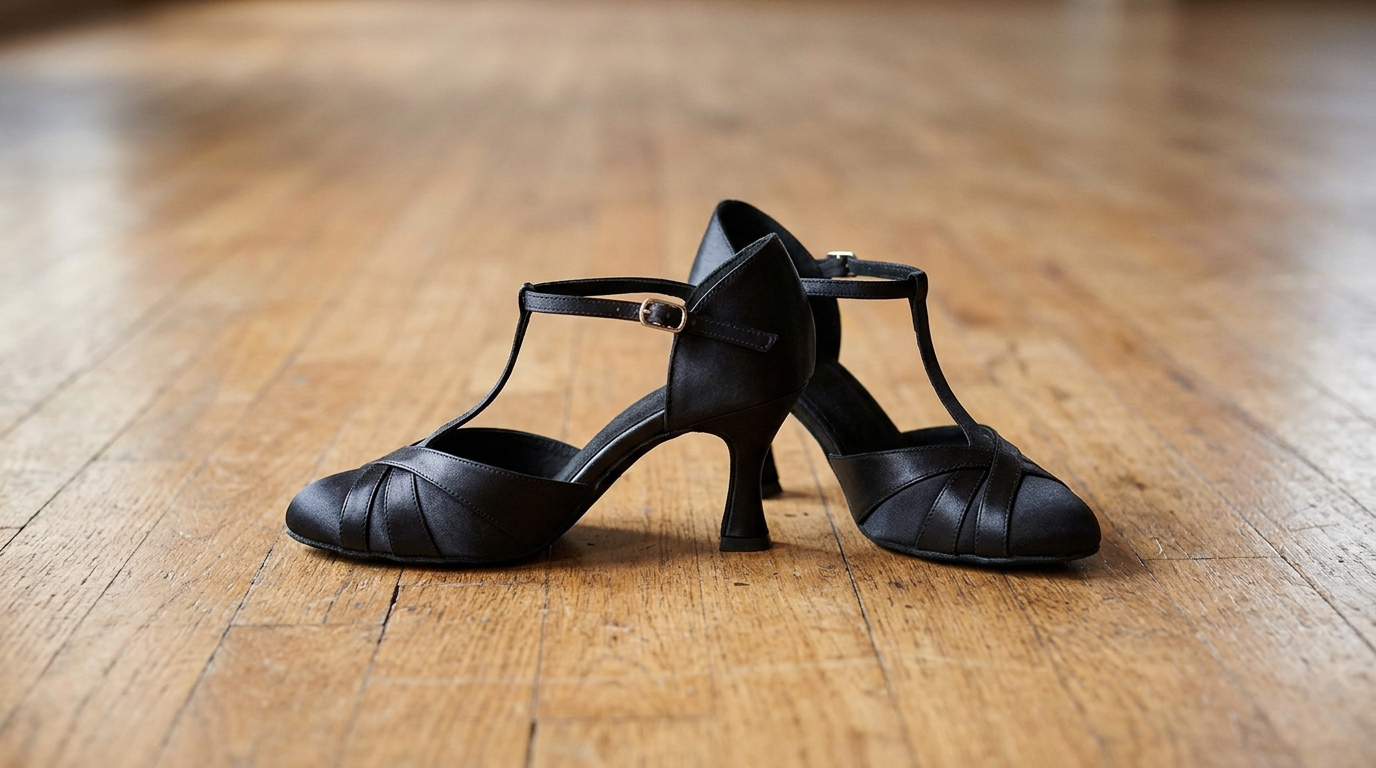
The shoes do not help. Ballet slippers, jazz shoes, and Latin dance heels are designed for flexibility and looks, not support — thin, flat, and offering almost no arch support or cushioning. High-heeled dance shoes shift your weight forward onto the ball of the foot, which overloads the metatarsals and can lead to metatarsalgia — aching, burning pain under the ball of the foot. Pointe shoes add their own stress: the entire body weight balances on the tips of the toes, which is why pointe work demands years of preparation.
The floor matters too. Dancing on concrete, tile, or a hard studio floor sends every impact straight into the feet and joints. A sprung wooden floor absorbs shock and is far kinder. And the training load itself is a risk factor: jumping from two classes a week to daily rehearsals, or returning after a break, overloads tissues that have not had time to adapt. That is when stress fractures, tendonitis, and plantar fascia pain appear.
Relief and prevention that work
Rest the painful foot — the hardest advice for a dancer to follow, and the most important. A sore metatarsal or Achilles tendon that keeps getting loaded does not heal — it gets worse. A week or two of reduced dancing, with the painful movements cut out, is usually enough for mild overuse pain. Ice the sore spot for fifteen minutes after dancing, and elevate it if swollen.
Wear supportive shoes off the dance floor. Your feet spend most of the day outside the studio, and that is where you can give them real support. Wear cushioned, supportive shoes with arch support for daily life, and save the dance shoes for the floor. A supportive insole in your everyday shoes can help, especially if you have flat feet or high arches.
Strengthen your feet and calves. Strong feet handle dance load far better than weak ones. Simple exercises help: toe spreads, picking up a towel with your toes, slow calf raises, and ankle circles. A resistance band around the forefoot, used a few minutes a day, builds the small muscles that support the arch. Stretch the calves and Achilles regularly too — tight calves force the foot to compensate and load the forefoot even more.
Fix the footwear and the floor. If you dance socially, choose dance shoes that fit properly — not too tight, not too loose — with a heel height you can manage all evening. Dancers who compete or perform should replace worn dance shoes promptly — the thin soles lose what little cushioning they had. Whenever you can, dance on a sprung floor rather than concrete or tile; if you practice at home, a portable dance mat over a hard floor is a worthwhile investment.
Build up gradually. Increase your dancing hours slowly, especially after a break or when starting a new style. Add one class or rehearsal at a time, and keep at least one full rest day each week. Your feet adapt to load — but only if the load rises gradually enough for them to keep up.
When dance foot pain needs a check
Most foot pain from dancing is overuse soreness and eases with rest and better support. But get checked if the pain is sharp, in one specific spot, or does not improve after a week or two of reduced load. Pain on the top of the foot that worsens with dancing and eases with rest can signal a stress fracture, which needs a diagnosis and time off. A swollen, painful Achilles tendon, a foot that looks deformed after a landing, or pain that returns every time you dance all deserve a professional look. A sports medicine doctor or podiatrist who understands dancers can check your foot mechanics, technique, and shoes — and get you back dancing safely.
Dancing should feel joyful, not painful. Rest when your feet ask for it, strengthen them between sessions, wear supportive shoes off the floor, and fix the footwear and surface behind the pain.
Frequently asked questions
Why does the ball of my foot hurt after dancing?
The ball of the foot takes most of the load in dance, especially in heels or thin dance shoes. This overload causes metatarsalgia — aching or burning under the forefoot — and it eases with rest, supportive shoes, and lower heels.
Can dancing cause stress fractures?
Yes. Repetitive jumping and landing can cause stress fractures, usually in the metatarsals. Pain in one spot on the top of the foot that worsens with dancing is a warning sign.
What shoes should I wear for social dancing?
Properly fitted dance shoes with a heel height you can manage all evening, plus supportive everyday shoes off the floor.
How long should I rest a sore foot from dancing?
For mild overuse pain, a week or two of reduced load usually helps. If the pain is sharp, in one spot, or not improving, get it checked before returning to dancing.
Do foot exercises really help dancers?
Yes. Toe spreads, towel pickups, calf raises, and resistance-band work strengthen the small muscles that support the arch.
Sources
- Mayo Clinic — Metatarsalgia: Symptoms and Causes
- Cleveland Clinic — Stress Fractures: Causes and Symptoms
- American Podiatric Medical Association — Dance and Foot Health
This article is for information only and is not medical advice. If your foot pain is severe, sudden, or not improving, talk to a healthcare professional for a proper diagnosis.