Ingrown Toenails: Safe Home Care & Red Flags

A mild ingrown nail settles with warm soaks and roomy shoes — but never dig it out, and get care fast for pus, spreading redness or diabetes.
A mild ingrown nail settles with warm soaks and roomy shoes — but never dig it out, and get care fast for pus, spreading redness or diabetes.

Athlete’s foot is a fungal infection that loves warm, damp feet — OTC antifungal usually clears it if you keep treating past clear skin.

Achilles pain usually comes from a sudden load jump — and the best fix is eccentric heel-drop exercises, not rest alone.
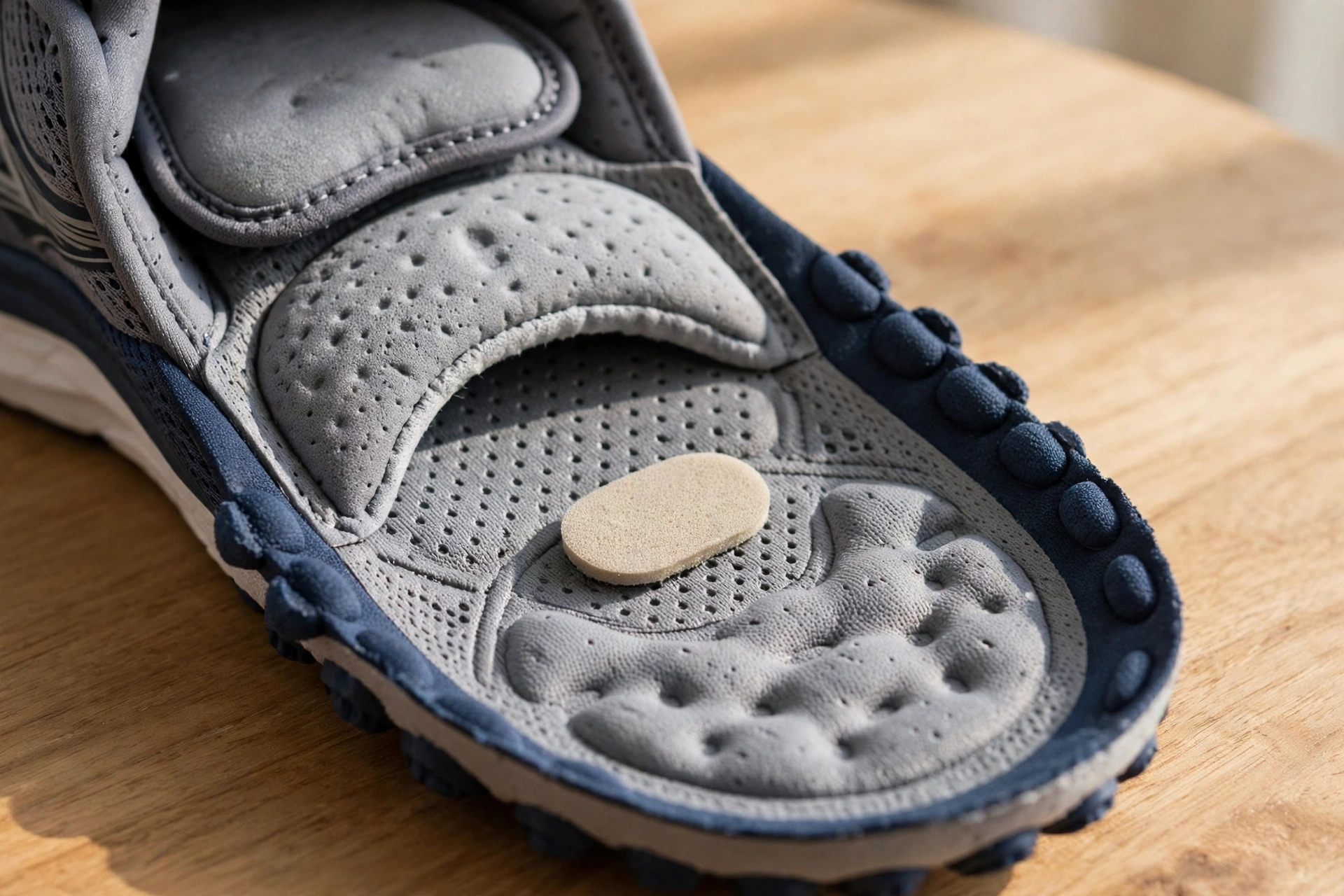
Burning or aching under the ball of your foot? Metatarsalgia usually comes from too much forefoot pressure — and usually improves with pads, cushioning and better shoes.

A heel spur is a calcium bump on your heel bone — but usually the pain comes from the inflamed fascia beside it, not the spur.

Flat feet are usually painless — but when they ache, supportive shoes, arch insoles and foot exercises help more than surgery.
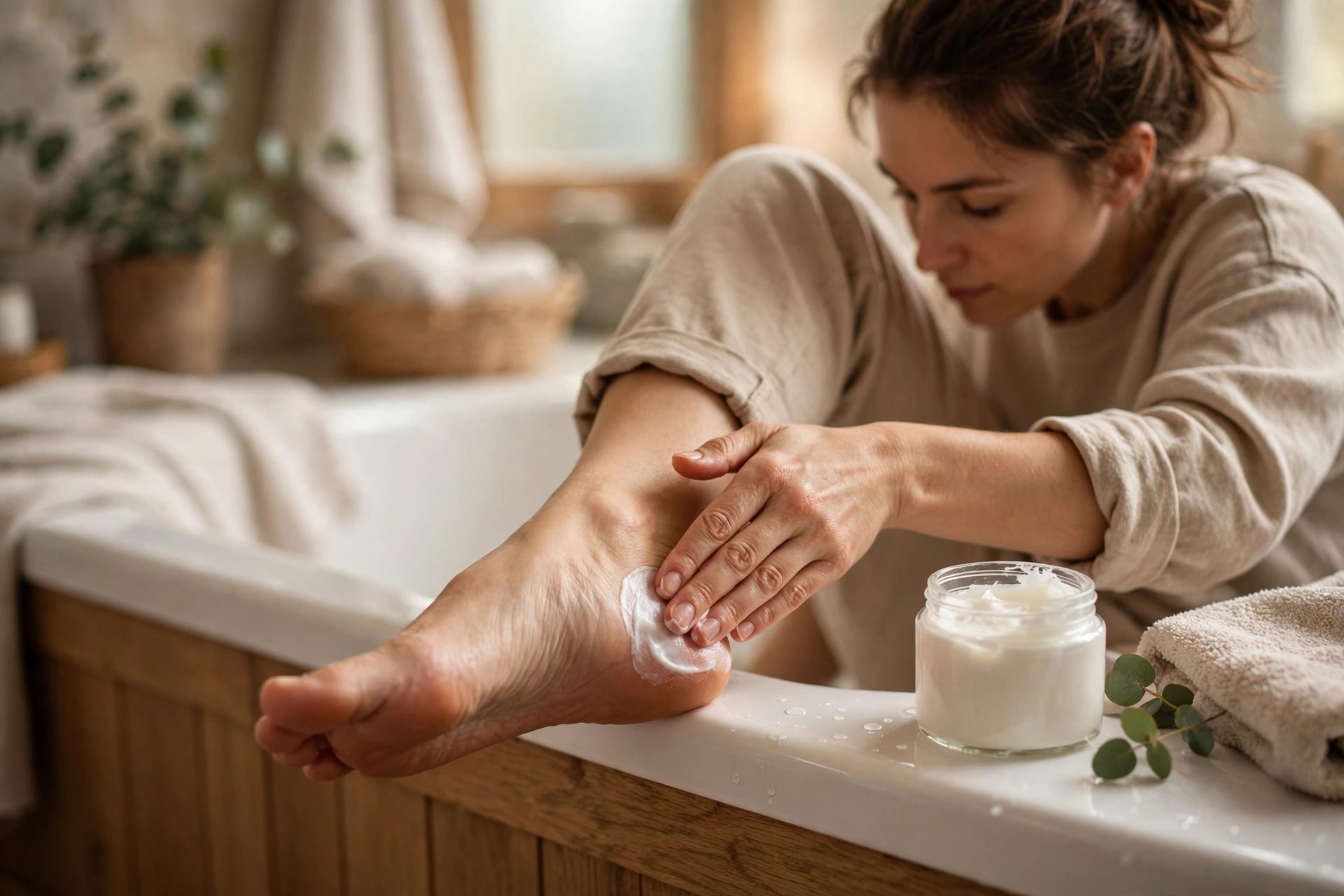
Cracked heels heal with the right trio: a 10–25% urea cream, petroleum jelly sealed in overnight, and closed-back shoes. The AAD-based routine, what to avoid, and when to see a doctor.
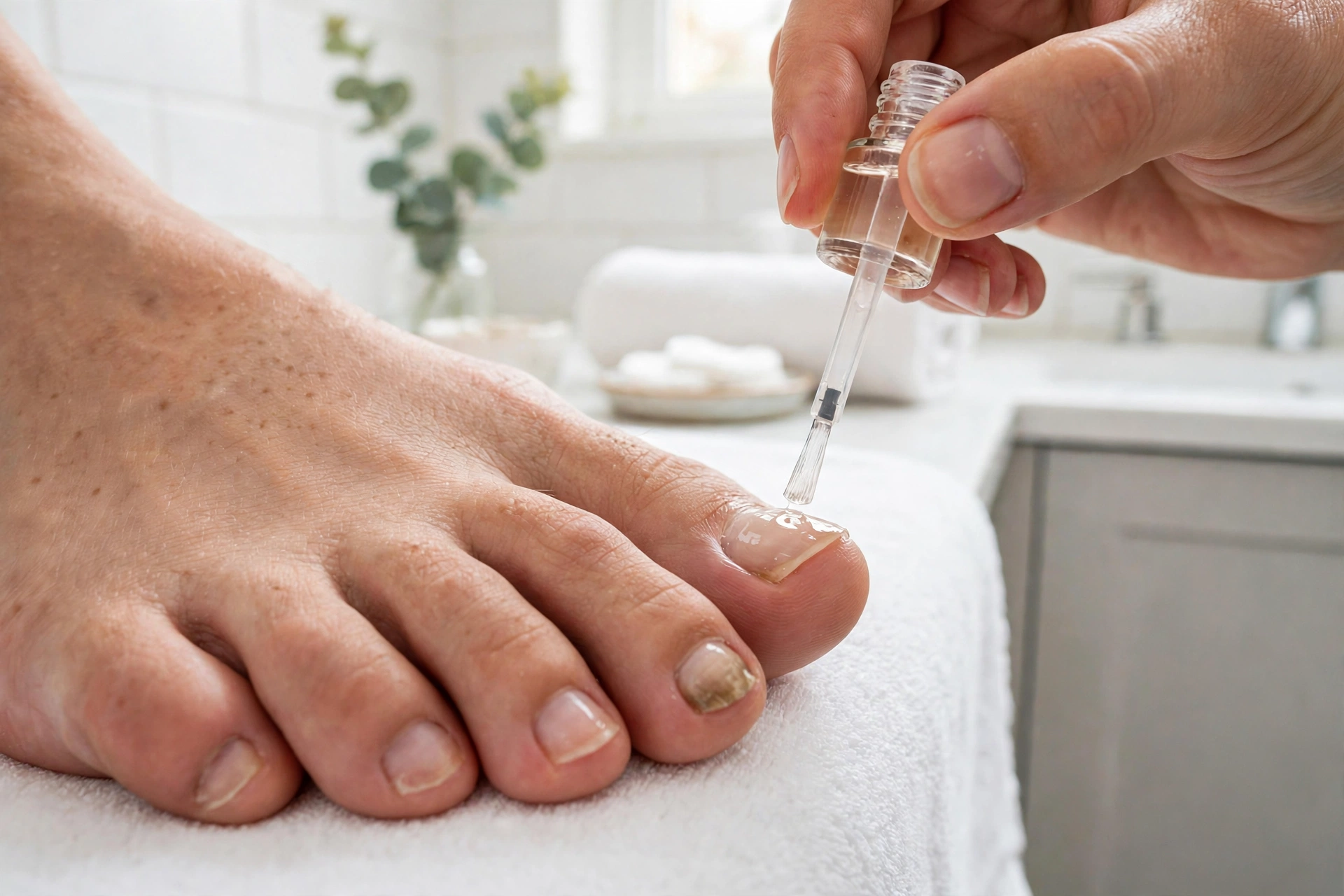
Quick answer: The only treatments with strong evidence against toenail fungus are prescription antifungal medications — oral tablets are the most effective, topical solutions work modestly for mild cases. Over-the-counter creams, tea tree oil, vinegar soaks and similar home remedies almost never clear an established nail infection on their own, though good foot hygiene prevents … Read more

Quick answer: Most walking pain comes from a short list of overload problems — plantar fasciitis, ingrown toenails, bunions, Achilles irritation, shin splints and more. Each has a recognisable pattern and a sensible home-care starting point. This guide walks through the 10 most common, what each one feels like, and what to do about it. … Read more
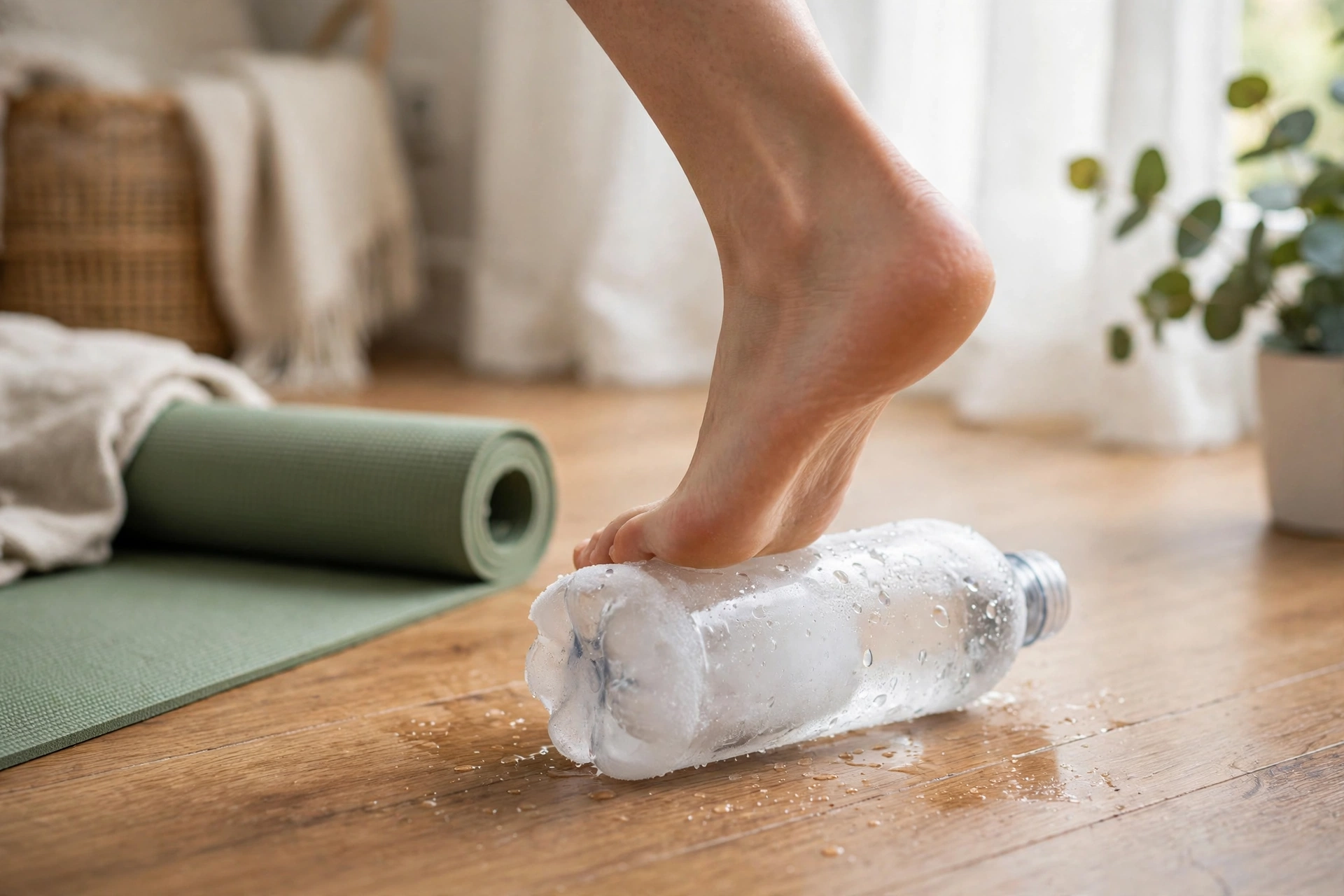
Quick answer: Plantar fasciitis is irritation of the thick band of tissue under your foot, causing heel pain that is worst with your first steps in the morning. Most cases resolve with home care — rest from aggravating activity, stretching, ice and supportive shoes — over weeks to months. Surgery is needed only rarely. ⚠️ … Read more