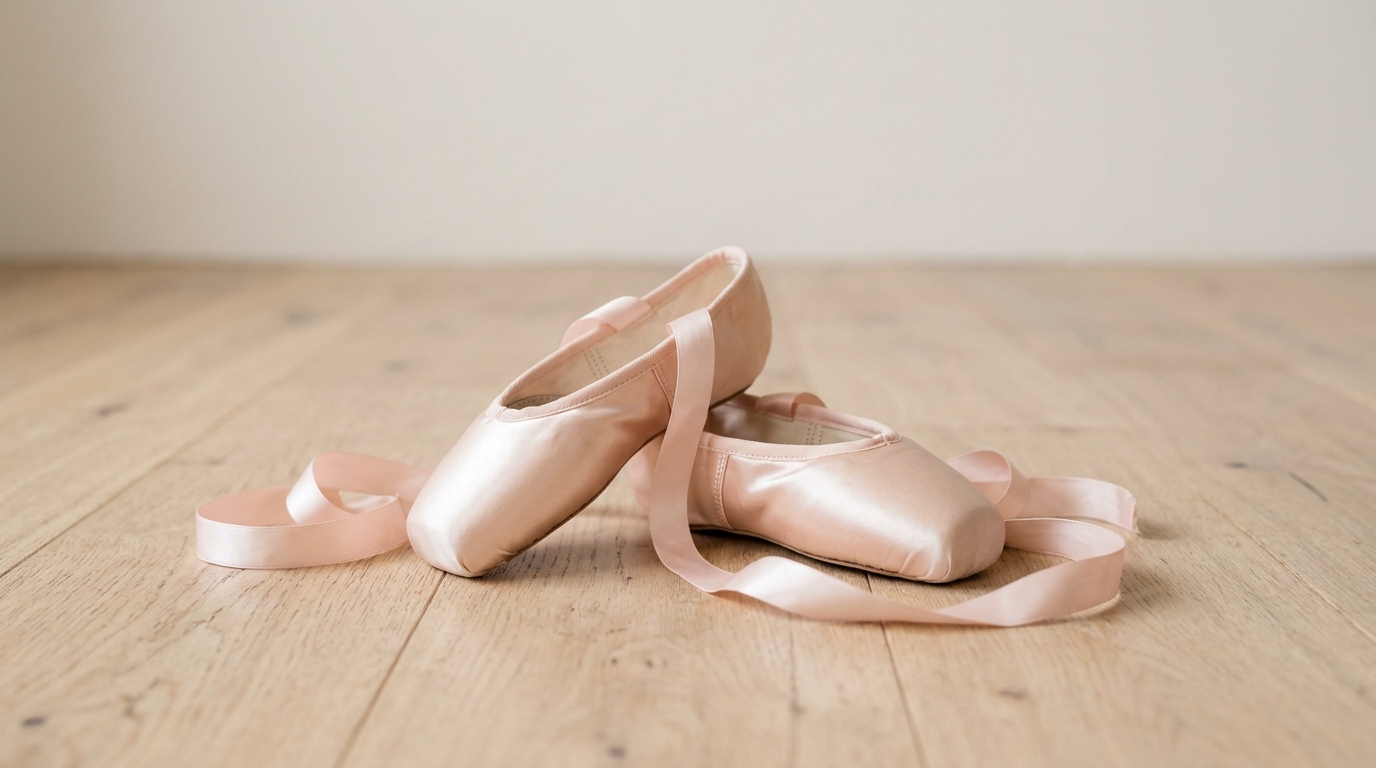
Quick Answer: In short, foot pain from ballet usually comes from pointe-shoe pressure and hours spent on relevé — your toes, arches, and the balls of your feet carry far more load than they were built for. Aching arches, bruised toenails, and sore big-toe joints are the most common complaints. Rest, properly fitted shoes, and foot-strengthening exercises usually help within weeks. If the pain is sharp, one-sided, or doesn’t ease with rest, get it checked.
See a doctor promptly if you notice:
- Sharp or severe pain in the heel, arch, or a single spot on a bone
- Pain that makes walking or putting weight on your foot difficult
- Swelling, redness, or warmth that doesn’t settle within a day or two
- Numbness, tingling, or a burning feeling in your foot or toes
- Pain that keeps coming back every class and isn’t improving
Why Ballet Is Hard on Your Feet
Ballet asks your feet to do something almost no other activity demands: support your whole body weight on the tips of your toes for hours, while making it look effortless. Even before pointe work, constant relevé — rising onto demi-pointe — puts huge pressure on the balls of your feet and your big-toe joints.
Add turned-out positions, jumps, and landings, and your feet are working at their absolute limit in every class. Dancers are trained to push through discomfort, so small problems get ignored until they become real injuries.
What It Is: The Most Common Causes
Bruised and ingrown toenails are the classic ballet complaint. Pointe shoes squeeze the toes into a narrow box, and every relevé presses the toenails against the shoe. Over time that pressure bruises the nail bed, and nails can grow into the skin. The Mayo Clinic notes tight, narrow footwear is a main cause of ingrown toenails — and few shoes are tighter than a pointe shoe.
Bunion pain is another frequent problem. Turned-out positions and pointe pressure push the big toe inward, and over years of dancing that can worsen a bunion — the bony bump at the base of the big toe. It aches most in relevé and after long rehearsals.
Metatarsalgia — pain in the ball of the foot — comes from dancing on demi-pointe and pointe. The small bones at the front of your foot take your full weight with every step, jump, and landing, and the padding under them thins. It usually feels like a deep, burning ache under the second or third toe.
Stress fractures are the most serious concern. The repeated impact of jumps and landings, especially with very high training hours, can cause tiny cracks in the metatarsal bones. The pain starts as a dull ache in one spot and worsens with every class — a warning sign, not something to dance through. Dancing of all kinds loads the feet this way — our guide to foot pain from dancing covers the same overuse patterns.
What Helps: In the Studio
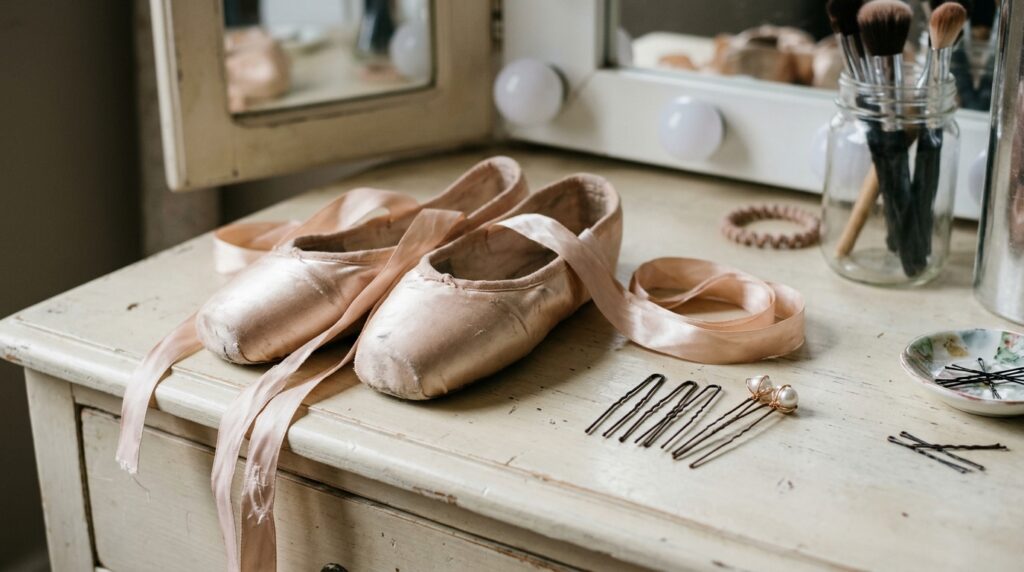
Pointe-shoe fit matters more than almost anything else. Shoes that are too short crush the toes; too wide, and the foot slides and bruises. Get fitted by an experienced fitter, and re-check the fit as your feet change over a season.
Padding helps, but only the right kind. Gel toe pads and lamb’s wool spread pressure across the toes, so one toe doesn’t take it all. Try different combinations until your toes stay comfortable through a full class — and replace pads when they flatten.
Strengthen the small muscles in your feet. The American Podiatric Medical Association recommends towel scrunches, toe spreads, and marble pick-ups to build the muscles that support your arches and stabilise your toes on pointe. A few minutes after class, three or four times a week, builds resilience.
Stretch your calves and feet after class. Tight calves limit how far your ankle can bend in relevé, forcing the forefoot to take even more load. The Cleveland Clinic notes calf tightness is a common reason foot pain flares in dancers — a wall calf stretch, 30 seconds per leg, plus a gentle seated toe stretch, pays off.
What Helps: Recovery Between Classes
After a hard class, rest your feet properly. Soak them in cool water for 10 to 15 minutes to calm soreness, and roll each foot over a tennis ball to loosen tight tissue — gently, especially if the ball of the foot is tender.
Take your pointe shoes off between rehearsals. Comfortable, supportive shoes outside the studio — not flat sandals — give your feet a break from compression and let the toes spread naturally.
Look at your training load. If you rehearse for hours every day, your feet may never get a proper rest. Jumping is a huge load on a dancer’s feet — our guide to foot pain from jumping explains how repeated impact builds into lasting foot pain, and why rest days matter.
Your Daily Routine for Happier Feet in Ballet
Here’s a routine to keep your feet comfortable through the season:
- Warm up your feet: Before class, spend two minutes spreading your toes, scrunching a towel, and circling each ankle.
- Check your pointe shoes: Make sure they still fit and your toe pads haven’t gone flat.
- Strengthen after class: Towel scrunches, toe spreads, and marble pick-ups for five minutes, three or four times a week.
- Stretch your calves and toes: Hold a wall calf stretch 30 seconds per leg after class, plus a seated toe stretch.
- Rest and roll sore feet: Soak tired feet in cool water after rehearsals, and roll each arch over a tennis ball.
FAQs
Is foot pain from ballet normal?
Some soreness after a hard class is common, especially in pointe work or a heavy week. Sharp pain in one spot, pain that stops you dancing, or pain that doesn’t fade with rest is not normal — get checked.
Why do my toenails hurt after ballet?
Pointe shoes press your toenails hard against the front of the shoe with every relevé. Bruised nails and ingrown toenails are the result — a proper fitting, good toe pads, and nails trimmed straight across help.
Can ballet cause bunions?
Ballet doesn’t necessarily cause bunions, but turned-out positions and pointe pressure can worsen an existing bunion or make one more painful. Well-fitted shoes and strengthening exercises help manage the ache.
Should I dance through foot pain?
No — pain is your body telling you something is wrong, and dancing through it turns a small problem into a long layoff. Rest, modify, and get checked if it’s sharp, in one spot, or keeps coming back.
When should I see a doctor about foot pain from ballet?
See a doctor promptly if the pain is sharp or in one spot, there’s swelling that doesn’t settle, you can’t put weight on your foot, or it keeps coming back despite rest and better shoes.
Sources
- Mayo Clinic — ingrown toenails and bunions
- Cleveland Clinic — metatarsalgia and calf tightness
- American Podiatric Medical Association — foot strengthening exercises
This article is for general information only and is not medical advice. Talk to your doctor or a podiatrist about your own feet.