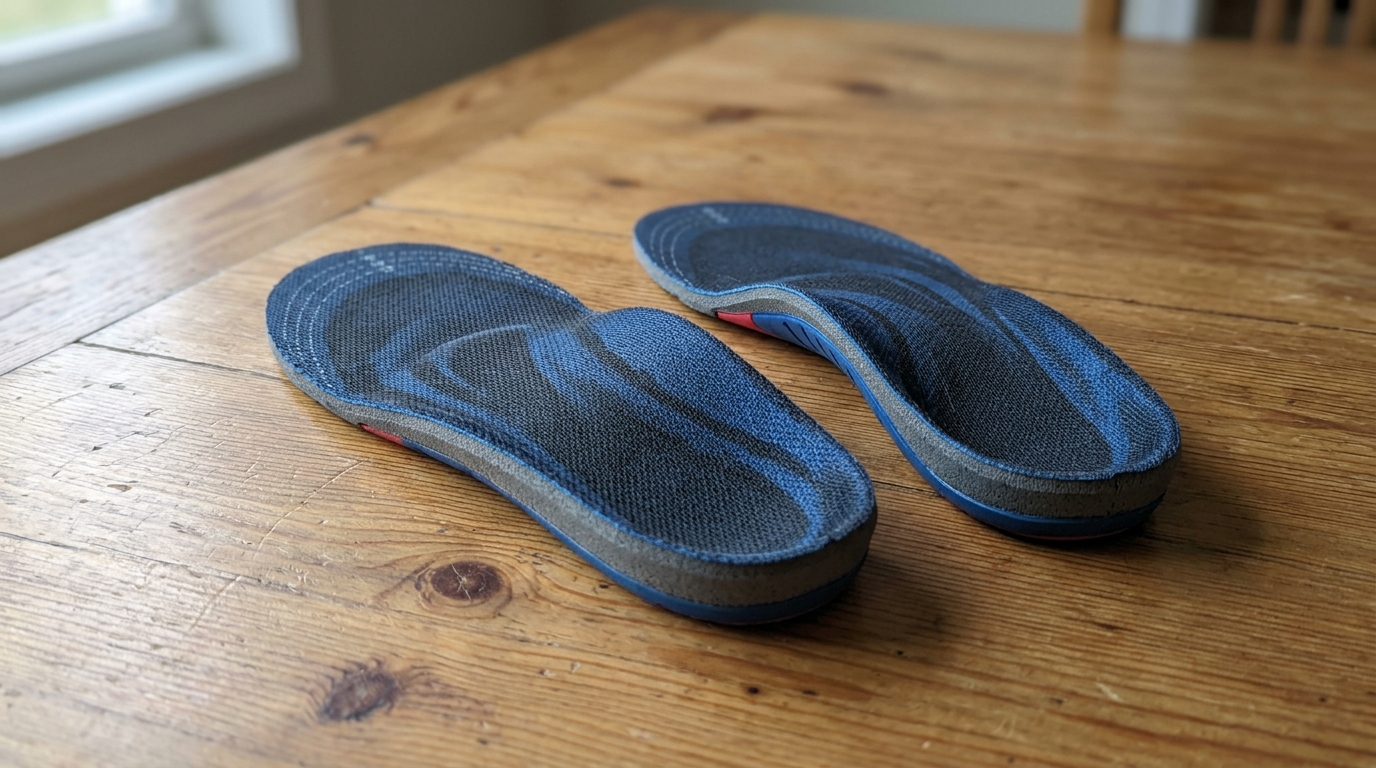
High arches foot pain usually comes from pressure concentrating on the ball of your foot and your heel, because a high arch doesn’t flatten enough to spread your weight around. The fix that helps most people is supportive footwear with good cushioning, plus insoles or orthotics that fill the gap under your arch. If pain sticks around for more than a couple of weeks, get your feet checked rather than pushing through it.
See a doctor promptly if you notice any of these:
- Pain that is sharp, sudden, or keeps you off your feet
- Swelling, redness, or warmth in one foot that doesn’t settle
- Numbness, tingling, or weakness in your feet or legs
- An arch that has suddenly gotten higher, or one foot that looks different from the other
- Foot pain along with a fever, or a wound on your foot that won’t heal
What high arches are and why they hurt
Your arch is the curve along the inside of your foot, between your heel and the ball of your foot. When you walk, it’s supposed to flatten a little, absorb shock, and then spring back. With high arches — doctors call this pes cavus — that curve stays tall and rigid. Your foot doesn’t roll inward the way it should, so instead of your whole foot sharing the load, most of your weight lands on two small spots: your heel and the ball of your foot.
That concentrated pressure is what causes most of the trouble. You might feel an ache in the ball of your foot after a long day, a burning feeling along the outside of your foot, or soreness in your heel first thing in the morning. Some people with high arches also get calluses under the ball of the foot, because that spot takes so much extra pressure.
High arches are often just the way your feet are built — they tend to run in families. But they can also show up with certain nerve or muscle conditions, which is why a new or worsening high arch deserves a proper look. According to the Cleveland Clinic, high arches can be linked to neurological conditions in some cases, so a clinician will usually want to rule those out, especially if only one foot is affected or the arch has changed recently.
What helps high arches foot pain
The first move is almost always footwear. You want shoes with a sturdy, cushioned sole, a supportive heel counter, and enough room in the toe box that your toes aren’t squeezed. Flat, floppy shoes and thin-soled fashion sneakers tend to make things worse, because they offer nothing under the arch. Running shoes and walking shoes built for neutral or cushioned support are usually a good starting point, and many people find that a shoe with a rocker sole takes pressure off the ball of the foot.
Insoles are the next step, and for high arches they matter more than they do for most feet. A standard cushioned insole helps a little, but what you really need is something that fills the space under your arch and spreads the load. According to the American Academy of Orthopaedic Surgeons, custom orthotics can help redistribute pressure across the foot for people with high arches. Over-the-counter arch supports are worth trying first — look for ones designed specifically for high arches, not flat feet, since the shape is quite different.
Stretching and strengthening help too, though they won’t change the shape of your arch. Calf stretches matter because tight calves pull on the heel and make the foot strike harder, and rolling a tennis ball under your foot can loosen a tight plantar fascia.
A daily routine for high arches
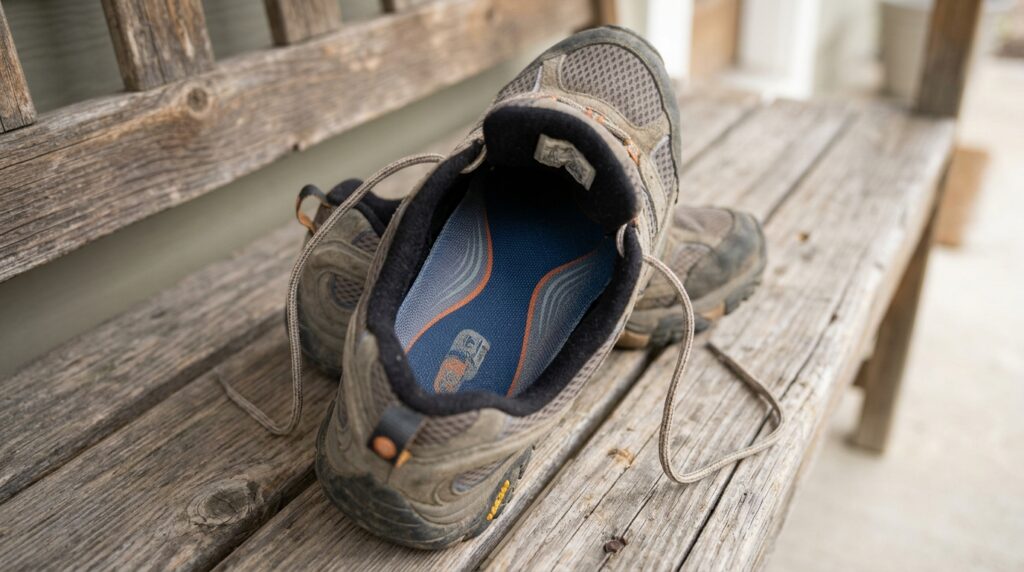
Morning is the best time to stretch, before your feet take their first load of the day. Sit on the edge of your bed and do a gentle calf stretch against the wall for 30 seconds on each side, then roll a ball under each foot for a minute. Put your supportive shoes on first thing rather than padding around barefoot on hard floors — barefoot walking on tile or hardwood is one of the quickest ways to stir up arch pain.
In the evening, a short foot soak in warm water, or 15 minutes with an ice pack wrapped in a towel if anything aches, can settle the day’s irritation. Finish with another round of calf stretches before bed.
Frequently asked questions
Can high arches be fixed without surgery?
For most people, yes — or at least managed well enough that surgery never comes up. Supportive shoes, arch supports or custom orthotics, stretching, and activity changes control the symptoms for the majority of people. Surgery is usually reserved for severe cases where pain doesn’t respond to conservative care or the foot’s structure is causing other problems.
Are high arches worse than flat feet?
Neither is automatically worse — they just cause different problems. Flat feet tend to overpronate and strain the inside of the ankle, while high arches underpronate and overload the heel and ball of the foot.
Should I wear arch supports all the time?
Wear them in the shoes you spend the most time in, especially for walking, standing, or sport. You don’t need them in bed or for a quick trip to the bathroom, but the more hours your feet go unsupported on hard floors, the more likely pain is to flare. If a support feels uncomfortable, try a different shape rather than ditching the idea entirely.
Do high arches cause back or knee pain?
They can contribute. When your foot doesn’t absorb shock well, more impact travels up to your knees, hips, and lower back. It’s rarely the only cause, but if you have high arches and unexplained knee or back aches, sorting out your footwear and support is a reasonable first step before assuming the problem starts higher up.
When should a child with high arches see a doctor?
If a child’s arch looks unusually high, if one foot differs from the other, if they trip often or complain of foot pain, or if the arch seems to be getting higher over time, get it checked. Most high arches in children are just inherited foot shape, but a clinician will want to rule out an underlying condition, especially if there’s weakness or clumsiness alongside it.
Sources
- Cleveland Clinic — Pes Cavus (High Arches)
- American Academy of Orthopaedic Surgeons — Cavus Foot
- Mayo Clinic — Foot pain: causes and self-care
This article is for information only and is not medical advice. If your foot pain is severe, persistent, or getting worse, talk to a healthcare professional.