
Rheumatoid arthritis feet symptoms usually start quietly: stiffness in the toes and the balls of your feet in the morning, aching or swelling in the small joints of the forefoot, and a feeling that your feet are tender or bruised even without an injury. Unlike everyday wear-and-tear pain, the stiffness often lasts more than an hour, the same joints tend to hurt in both feet, and the pain may ease a little as the day goes on but return after rest. Over time you may notice your toes drifting, the ball of the foot becoming sore to walk on, or your shoes fitting differently. Because rheumatoid arthritis is an autoimmune condition, these foot symptoms can appear before the hands are affected, and early treatment makes a real difference to how much damage the joints take.
See a doctor promptly if you notice any of these:
- Morning stiffness in your feet lasting more than an hour, most days
- The same joints swelling or hurting in both feet
- A joint that is hot, very swollen, and severely painful, especially with a fever
- Toes that are visibly drifting, crossing, or changing shape
- Pain in the feet along with fatigue, low-grade fever, or unexplained weight loss
What rheumatoid arthritis does to the feet and why
Rheumatoid arthritis is an autoimmune condition, which means the immune system mistakenly attacks the lining of the joints. In the feet it usually starts in the small joints of the toes and the metatarsophalangeal joints — the joints at the base of the toes, right where the ball of the foot meets the toes. That is why the first sign is often soreness under the ball of the foot when you walk, or stiffness in the toes first thing in the morning.
The pattern is what sets it apart. Osteoarthritis tends to hit one joint at a time, often after years of wear. Rheumatoid arthritis is usually symmetrical, so if the second toe joint on your left foot is inflamed, the matching joint on your right foot often is too. The stiffness is also longer-lasting: morning stiffness of over an hour is a classic clue, whereas osteoarthritis stiffness usually eases within about half an hour.
Left untreated, the inflammation gradually damages cartilage and bone. The forefoot can widen as joints loosen, the toes can drift toward the little toe side or start to overlap, and the fat pad under the ball of the foot can thin out, leaving the metatarsal heads exposed to pressure with every step. That is why walking can become painful even in soft shoes, and why people sometimes describe the feeling as walking on pebbles.
Feet are affected in the large majority of people with rheumatoid arthritis at some point, and foot problems often show up early in the disease. That matters because the earlier the condition is recognised and treated, the more joint damage can be prevented. If you notice symmetrical, persistent foot joint pain with long morning stiffness, it is worth asking your doctor about it rather than writing it off as getting older or being on your feet too much.
What helps rheumatoid arthritis in the feet
Medical treatment is the foundation. Disease-modifying antirheumatic drugs, often called DMARDs, slow the immune attack on the joints and are the main reason outcomes have improved so much in recent decades. These are prescribed by a rheumatologist, and they work best when started early, which is another reason not to delay getting symptoms checked. The American College of Rheumatology notes that early, aggressive treatment can reduce joint damage and keep people mobile for longer. For related joint symptoms, see arthritis in feet symptoms.
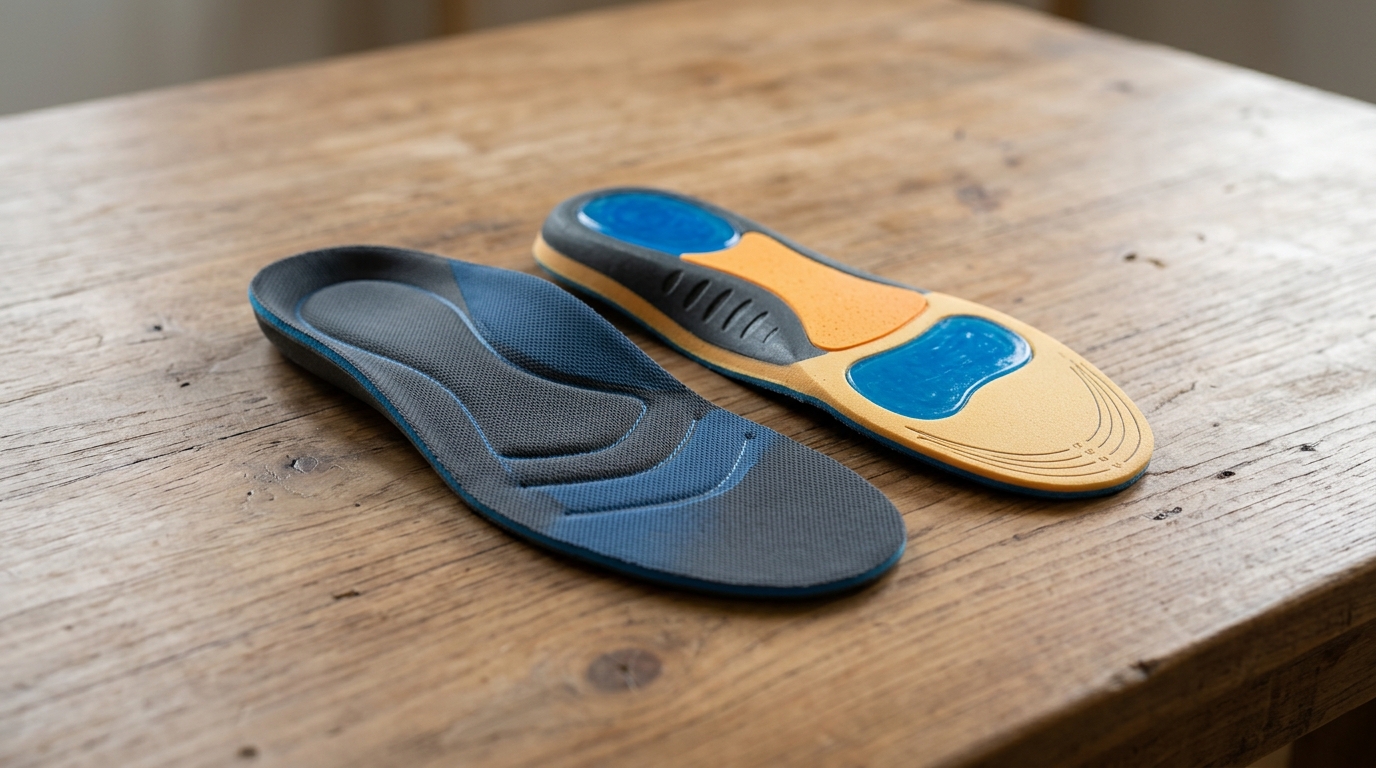
Footwear and foot care make a big day-to-day difference. Shoes with a wide, deep toe box, soft cushioning under the forefoot, and a low heel reduce pressure on tender joints. Custom orthotics can redistribute weight away from painful metatarsal heads, and a rocker sole can help you walk without bending sore toe joints as much. If your feet have widened, getting measured properly matters more than squeezing into your old size.
Gentle movement helps too. Low-impact exercise such as walking, swimming, and cycling keeps joints mobile and muscles strong, and specific toe and ankle mobility exercises can preserve flexibility. A podiatrist or physiotherapist can show you exercises suited to your joints and advise on footwear and insoles. Rest matters as well: during a flare, cutting back on long walks and standing time, icing swollen joints, and using over-the-counter pain relief as your doctor advises can calm things down.
Watch for flares and complications. A single joint that suddenly becomes red, hot, and very painful needs prompt medical attention, since infection is possible. Skin problems between the toes, calluses under the ball of the foot, and ulcers also deserve attention, because reduced sensation or poor circulation can let small problems grow. Regular foot checks, as described in diabetic foot care, can help catch small problems early.
A daily routine for feet with rheumatoid arthritis
In the morning, move your toes and ankles gently in bed before standing, since stiffness is usually worst first thing. A warm shower or a warm foot soak can help loosen the joints before you get going.
During the day, wear roomy, cushioned shoes with good support, and take sitting breaks if you stand for long periods. Short, gentle walks are usually better than long, punishing ones, and custom insoles help spread the load.
In the evening, ice any joint that is swollen or sore, do gentle toe and ankle stretches, and check your feet for red spots, blisters, or calluses. If morning stiffness regularly lasts over an hour, or your toes are changing shape, book an appointment.
Frequently asked questions
How does rheumatoid arthritis in the feet feel different from normal foot pain?
It is usually symmetrical, affecting matching joints in both feet, with morning stiffness lasting over an hour and swelling in the small toe joints. Everyday foot pain from shoes or overuse is more often one-sided and shorter-lived.
Which joints in the feet does rheumatoid arthritis affect first?
It usually starts in the small joints of the toes and the metatarsophalangeal joints at the base of the toes, which is why soreness under the ball of the foot is a common early sign.
Can rheumatoid arthritis in the feet be treated?
Yes. Disease-modifying drugs can slow the condition and protect the joints, especially when started early, and footwear, orthotics, and physiotherapy help with day-to-day comfort and mobility.
Does exercise help or hurt feet with rheumatoid arthritis?
Gentle, low-impact exercise helps by keeping joints mobile and muscles strong. Avoid high-impact activity that pounds sore joints, and rest during flares.
When should I see a doctor about possible rheumatoid arthritis in my feet?
See a doctor if morning stiffness lasts over an hour most days, if the same joints hurt in both feet, if your toes are changing shape, or if you have foot pain along with fatigue or low-grade fever.
Sources
- American College of Rheumatology — Rheumatoid Arthritis
- Mayo Clinic — Rheumatoid Arthritis: Symptoms and Causes
- Cleveland Clinic — Rheumatoid Arthritis in the Feet
This article is for information only and is not medical advice. If your foot pain is severe, sudden, or not improving, talk to a healthcare professional for a proper diagnosis.