
Neuropathy foot pain symptoms often start as tingling, pins and needles, or a burning feeling in the toes and soles, sometimes with numbness that makes it hard to feel the ground properly. The discomfort is usually worse at night, can feel like electric shocks or a tight band around the foot, and tends to affect both feet in a stocking-like pattern. Diabetes is the most common cause, but alcohol use, vitamin deficiencies, certain medications, and autoimmune conditions can also damage the small nerves in the feet. Because numbness hides injuries, daily foot checks matter as much as pain relief, and any new numbness, weakness, or wound that won’t heal deserves prompt medical attention.
See a doctor promptly if you notice any of these:
- Sudden weakness in the feet or ankles, or difficulty walking
- A foot wound, blister, or ulcer that is not healing
- Redness, warmth, or swelling in a foot that you cannot feel properly
- Burning or tingling that spreads rapidly up the legs
- Loss of bladder or bowel control along with leg or foot symptoms
What neuropathy is and why it affects the feet
Peripheral neuropathy is damage to the nerves outside the brain and spinal cord. The longest nerves in the body run to the feet, so they tend to be affected first — which is why symptoms usually begin in the toes and work their way upward. The nerves carry different kinds of signals, so damage can show up as pain, tingling, numbness, or weakness, and often as a confusing mix of all of them at once.
Diabetes is by far the most common cause. High blood sugar over time damages the tiny blood vessels that feed the nerves, and the nerves themselves. The American Diabetes Association notes that about half of people with diabetes develop some form of neuropathy, though many do not notice it at first because the early symptoms are mild. Other causes include heavy alcohol use, vitamin B12 deficiency, kidney disease, autoimmune conditions, infections, and some chemotherapy drugs.
The symptoms follow a pattern doctors call stocking-glove distribution: both feet affected in roughly the same way, starting at the toes. You might feel burning or stabbing pain, a sensation like walking on cotton wool, or a complete loss of feeling in parts of the foot. That numbness is the dangerous part. If you cannot feel a stone in your shoe, a blister, or a burn, a small injury can go unnoticed and become a serious wound.
Neuropathy can also affect the motor nerves that control foot muscles. Over time, the small muscles of the foot can weaken and waste away, changing the shape of the foot and the way pressure is distributed when you walk. That raises the risk of calluses, ulcers, and falls, especially in older adults.
What helps neuropathy foot pain
Treating the underlying cause is the first step. For diabetes-related neuropathy, keeping blood sugar in the target range your doctor sets is the single most important measure, since it slows further nerve damage. If a vitamin deficiency or medication is the cause, correcting it can sometimes improve symptoms. Your doctor may also review medications that can worsen neuropathy, such as some statins or metformin, which can lower B12 levels. For daily foot-check guidance, see diabetic foot care.
For the pain itself, several medications are used, including gabapentinoids, certain antidepressants that also treat nerve pain, and topical treatments such as capsaicin cream. The Mayo Clinic notes that no single treatment works for everyone, so finding the right one can take some trial and adjustment with your doctor. Over-the-counter painkillers often help less with nerve pain than with ordinary muscle or joint pain.
Foot care becomes a daily habit, not an afterthought. Check your feet every day, top and sole, using a mirror or asking someone to help if you cannot see the bottoms. Wear well-fitting, cushioned shoes and never walk barefoot, even indoors. Keep feet clean and moisturised, but avoid soaking them for long periods, and trim nails straight across with care. See the foot pain map to locate where your pain is.
Movement still matters. Gentle walking, balance exercises, and foot-strengthening exercises help with stability and circulation, and a physiotherapist can help if balance is becoming a problem. Avoid alcohol if it is contributing, and stop smoking, since both reduce blood flow to the nerves.
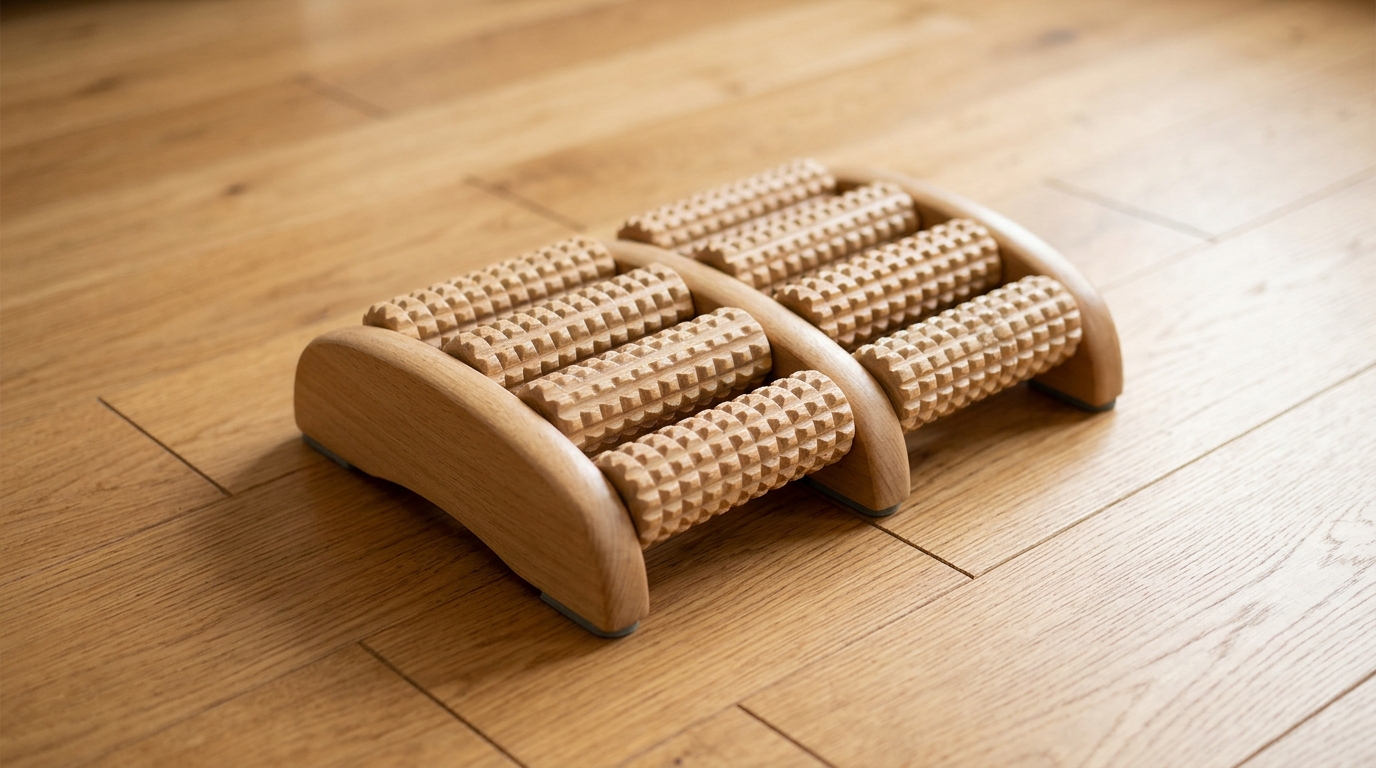
A daily routine for feet with neuropathy
In the morning, check your feet before putting on shoes, and shake out your shoes to make sure nothing is inside them. Put on clean, cushioned socks and well-fitting shoes.
During the day, keep moving with short walks and avoid standing still for long stretches. If you sit for a while, flex your ankles and wiggle your toes to keep blood moving.
In the evening, check your feet again, moisturise the tops and soles (but not between the toes), and note any new redness, blisters, or sores. If anything looks off or is not healing, call your doctor rather than waiting.
Frequently asked questions
What does neuropathy foot pain feel like?
Often burning, tingling, pins and needles, or electric-shock sensations in the toes and soles, sometimes combined with numbness. It is usually worse at night and affects both feet.
Can neuropathy in the feet be reversed?
It depends on the cause. If a vitamin deficiency or medication is responsible, treating it can help. Diabetic nerve damage is usually managed rather than reversed, but good blood sugar control can slow it.
Why is foot care so important with neuropathy?
Because numbness hides injuries. A blister or cut you cannot feel can become infected or develop into an ulcer, so daily checks catch problems early.
Is it safe to walk barefoot with neuropathy?
No. Without normal feeling you may not notice sharp objects, burns, or blisters. Always wear shoes, even indoors.
When should I see a doctor about tingling feet?
See a doctor if tingling or numbness persists for more than a couple of weeks, spreads up the legs, comes with weakness, or if you have diabetes and notice any foot wound.
Sources
- Mayo Clinic — Peripheral Neuropathy: Symptoms and Causes
- American Diabetes Association — Diabetic Neuropathy
- Cleveland Clinic — Peripheral Neuropathy
This article is for information only and is not medical advice. If your foot pain is severe, sudden, or not improving, talk to a healthcare professional for a proper diagnosis.