
Poor circulation in the feet means your blood is not flowing as freely as it should to your toes and soles. The most common poor circulation feet symptoms are feet that feel cold even in a warm room, tingling or numbness in the toes, cramping in the legs when you walk, and skin that looks pale, bluish, or shiny. Cuts or blisters on the feet may heal slowly, and the pulses in your feet can feel weak or hard to find. These symptoms often develop gradually, so many people dismiss them as “just getting older” or blame their shoes. That is a mistake: poor circulation is often an early sign of peripheral artery disease or diabetes-related damage, and the earlier you catch it, the more can be done.
See a doctor promptly if you notice any of these:
- A sore, blister, or cut on your foot that does not heal within a week or two
- Severe pain in the foot or leg, especially at rest or at night
- A foot that turns very pale, blue, or black, or feels suddenly cold
- Swelling, redness, or signs of infection around a wound
- Cramping pain in the calves every time you walk a short distance
What poor circulation in the feet looks like
Healthy blood flow does two jobs in your feet: it delivers oxygen and nutrients, and it carries away waste. When arteries narrow or veins struggle to return blood, both jobs suffer — and your feet, the farthest point from your heart, notice first. Cold feet are the classic early sign. If your feet feel icy under a blanket or after a shower while the rest of you feels fine, that is worth paying attention to, especially if it is a change from how you used to feel.
Tingling, pins and needles, or numbness in the toes is another common symptom. You might notice you cannot feel the floor properly, or keep stubbing a toe without realizing how hard you hit it. The skin can change too: it may look pale or slightly blue, feel dry and thin, and lose hair on the toes or lower legs. In more advanced cases, wounds heal very slowly — a small blister that would have closed in days can linger for weeks, and open skin invites infection.
The other hallmark is pain when walking, known as claudication. You walk a block or two, your calves ache or cramp, you stop and rest, and the pain fades. Then it comes back the next time you walk the same distance. This happens because your leg muscles need more oxygen when they work, and narrowed arteries cannot deliver it. Pain at rest or at night is more serious and needs a prompt check — it can mean blood flow is severely reduced.
Why circulation gets worse — and what helps
The most common cause is peripheral artery disease, or PAD, in which fatty deposits narrow the leg arteries. Smoking is the single biggest risk factor — it damages artery walls and makes blood more likely to clot. Diabetes is another major cause: high blood sugar damages both blood vessels and nerves, so people with diabetes often have poor circulation and reduced feeling in the feet at the same time, a dangerous combination. High blood pressure, high cholesterol, and family history add to the risk.
Your doctor can check your circulation with simple, painless tests. The most common is the ankle-brachial index, which compares blood pressure at your ankle with blood pressure at your arm. A lower reading at the ankle suggests narrowed arteries. Your doctor will feel for pulses in your feet and may order an ultrasound. Finding narrowed arteries early allows treatment before serious complications develop.
Whatever the cause, the foundations are the same. If you smoke, stopping is the single most effective step — it slows artery damage and improves blood flow. Your doctor may prescribe medication to lower cholesterol or blood pressure, or to help prevent blood clots. Regular walking is a treatment in its own right: structured walking programs help the body build small alternative blood vessels around narrowed arteries. Start gently and build up, and stop to rest when pain appears.
Everyday habits that support blood flow
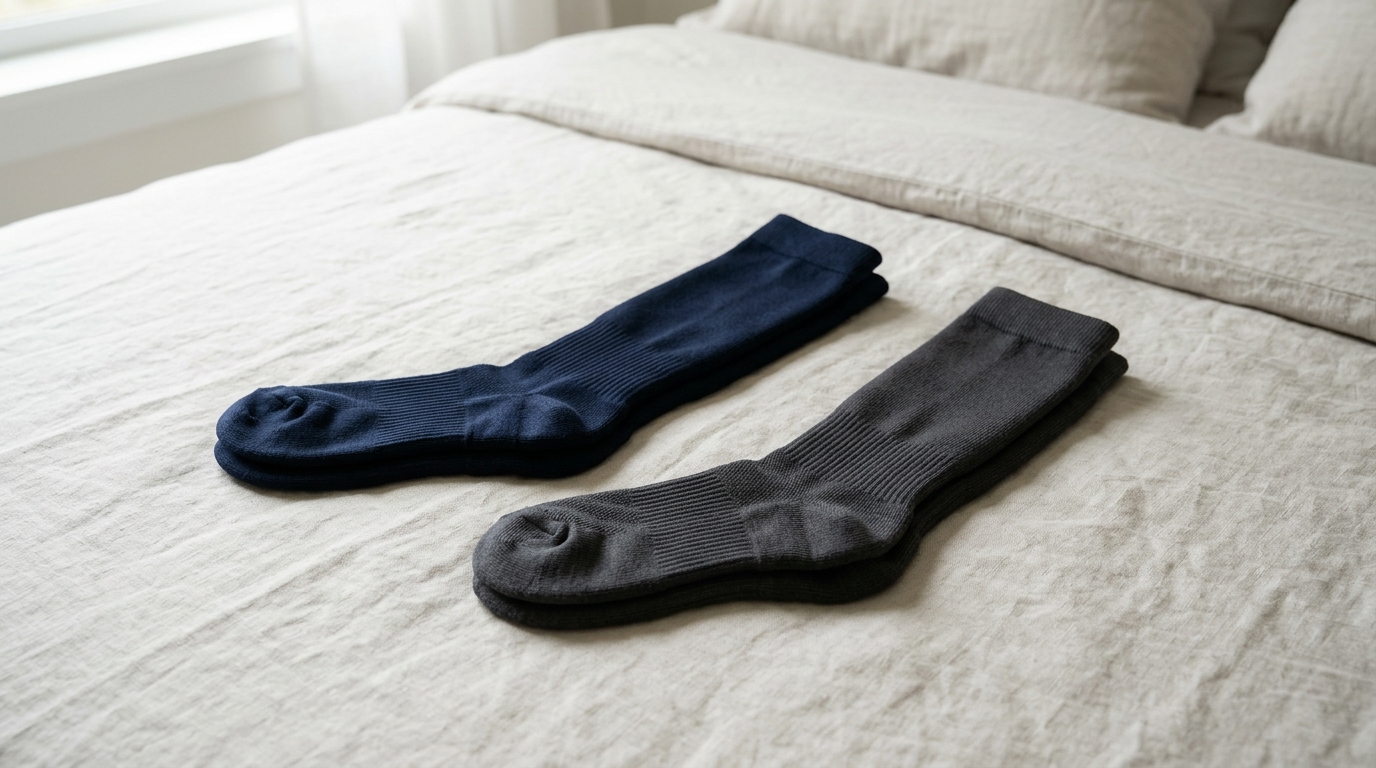
Keep your feet warm, but never with direct heat. Wear warm socks and well-fitting shoes, and avoid heating pads or soaking your feet in hot water — with reduced feeling, you can burn yourself without noticing. Check your feet every day, top and sole, for cuts, blisters, redness, or changes in color. A mirror or phone camera helps you see the soles. Wash them daily in lukewarm water, dry them well, and moisturize the tops and soles — not between the toes, where trapped moisture breeds infection.
Choose shoes that fit properly and never walk barefoot, even indoors, because an unnoticed cut on a foot with poor circulation can turn into a serious wound. Trim toenails straight across, and see a podiatrist for nail care if you have diabetes or poor circulation — never attempt “bathroom surgery” on ingrown nails yourself. Keep moving through the day: avoid sitting still for long stretches, and flex your ankles and wiggle your toes if you sit at a desk or travel. Compression stockings help some people, but they are not right for everyone with artery disease — ask your doctor first.
Finally, take your overall heart health seriously, because the arteries in your legs reflect the arteries everywhere else. A heart-healthy diet, regular activity, and keeping blood pressure, cholesterol, and blood sugar in range protect your feet and your heart alike. Poor circulation is not just a foot problem — it is your body telling you something. Listen early, get it checked, and act on what you find.
Frequently asked questions
What are the first signs of poor circulation in the feet?
Cold feet, tingling or numbness in the toes, pale or bluish skin, and slow-healing cuts are the earliest signs — along with calf cramping when walking.
Can poor circulation in the feet be reversed?
It usually cannot be fully reversed, but it can be slowed and improved. Stopping smoking, regular walking, and medication for cholesterol and blood pressure all help.
Why are my feet always cold?
Cold feet can have simple causes, but persistently cold feet, especially with tingling or color changes, can signal reduced blood flow and should be checked.
Is tingling in my toes a sign of poor circulation?
It can be. Tingling can come from poor circulation, nerve damage from diabetes, or both — and since diabetes can cause both at once, tingling toes deserve a medical check.
When should I see a doctor about circulation in my feet?
See a doctor promptly for sores that do not heal, pain at rest or at night, a foot that turns pale, blue, or black, or cramping every time you walk.
Sources
- Mayo Clinic — Peripheral Artery Disease: Symptoms and Causes
- Cleveland Clinic — Poor Circulation: Symptoms, Causes and Treatment
- NHS — Peripheral Arterial Disease
This article is for information only and is not medical advice. If your foot pain is severe, sudden, or not improving, talk to a healthcare professional for a proper diagnosis.