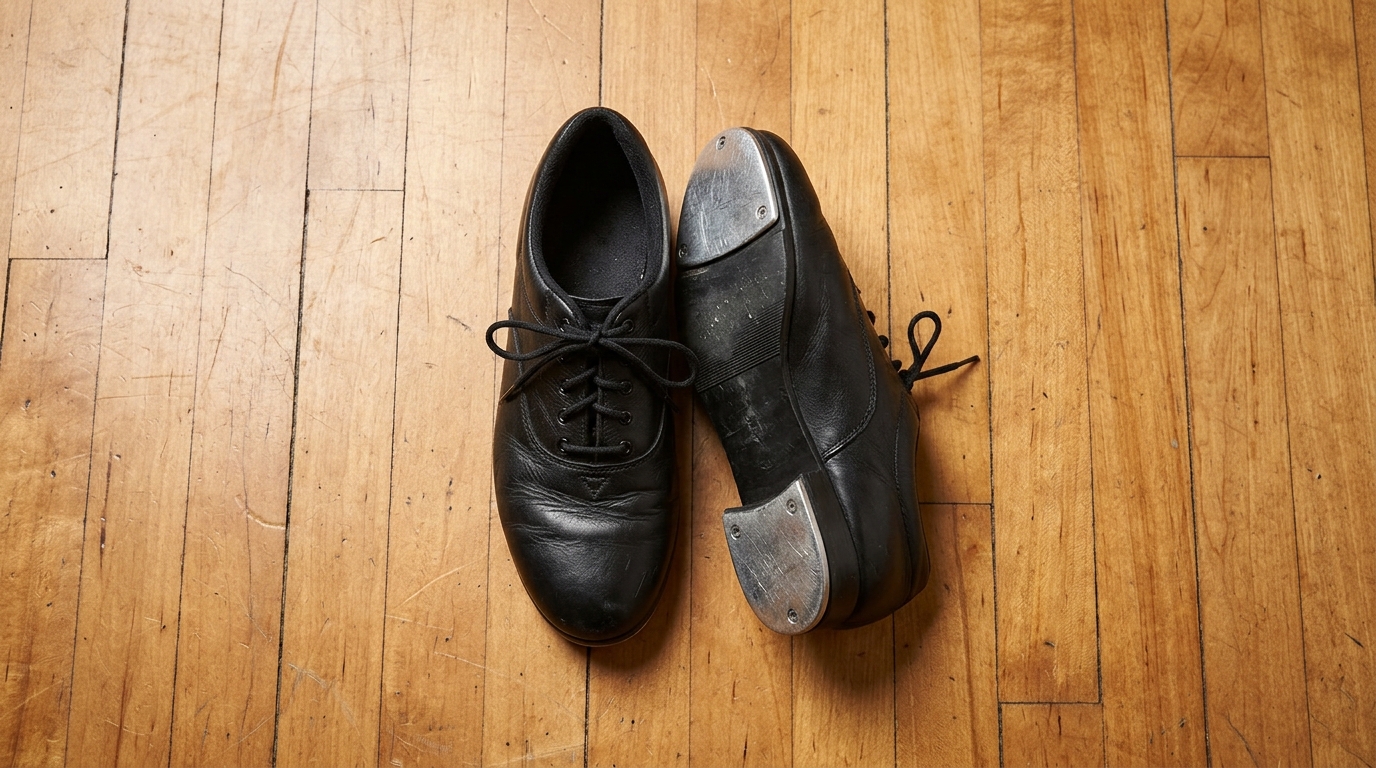
Quick Answer: In short, foot pain from tap dancing usually comes from hundreds of impacts landing on a hard floor every hour. Tap shoes have metal plates on the toe and heel, so every tap, shuffle, and stomp sends a little jolt up through your foot. Your arches, heels, and the balls of your feet take that load, and by the end of a class they’re tired and sore. It usually eases with rest, better-fitting shoes, and calf stretching. If the pain is sharp, one-sided, or doesn’t fade after a couple of days off, get it checked by a doctor or podiatrist.
See a doctor promptly if you notice:
- Sharp or severe pain in the heel, arch, or one spot on a bone
- Swelling, redness, or warmth that doesn’t settle after a day or two of rest
- Numbness, tingling, or a burning feeling in your feet or toes
- Pain that makes walking or putting weight on your foot difficult
- A wound, sore, or blister that won’t heal — especially if you have diabetes
Why Tap Dancing Can Hurt Your Feet
Tap looks light and musical from the audience, but your feet know it as an impact sport. An hour of class can mean hundreds of toe taps, heel drops, shuffles, and stomps. The metal plates on your shoes are what make the sound, but they’re also what pass the shock straight into your feet instead of absorbing it.
The floor matters more than most dancers realise. A sprung wooden studio floor gives a little with each strike. Concrete, tile, or a hard kitchen floor gives nothing back, so your feet and ankles absorb the full force.
Then there’s the repetition. Tap steps are small, quick, and repeated hundreds of times, and the same spots take the hit again and again. That steady pounding is what makes foot pain from tap dancing so familiar, even for dancers who feel fit everywhere else.
What It Is: The Most Common Causes
Pain in the ball of your foot — metatarsalgia — is the most common complaint. Toe taps and shuffles load the front of your foot over and over, and stiff tap shoes squeeze your toes at the same time. The balls of your feet can feel bruised by the end of class.
Plantar fasciitis shows up as heel pain, usually worst with your first steps in the morning. Heel drops and stomps stretch and irritate the band of tissue along the bottom of your foot, and tight calves make it worse. The ache eases once you move around, then returns after a long class.
Blisters and sore toenails are the smaller miseries that add up fast. New tap shoes are stiff, and a shoe that’s even a half size too small jams your longest toe forward with every sudden stop. Our guide to foot pain from dancing covers the wider picture — tap adds metal plates and hard strikes to the same kind of strain.
What Helps: During Class
Start with the fit of your tap shoes. They should feel snug but never pinch — your toes need room to spread, and your heel shouldn’t slip. A thin cushioned insole made for dance shoes can take the edge off the impact without changing the sound much. Replace them when the plates loosen or the soles wear thin.
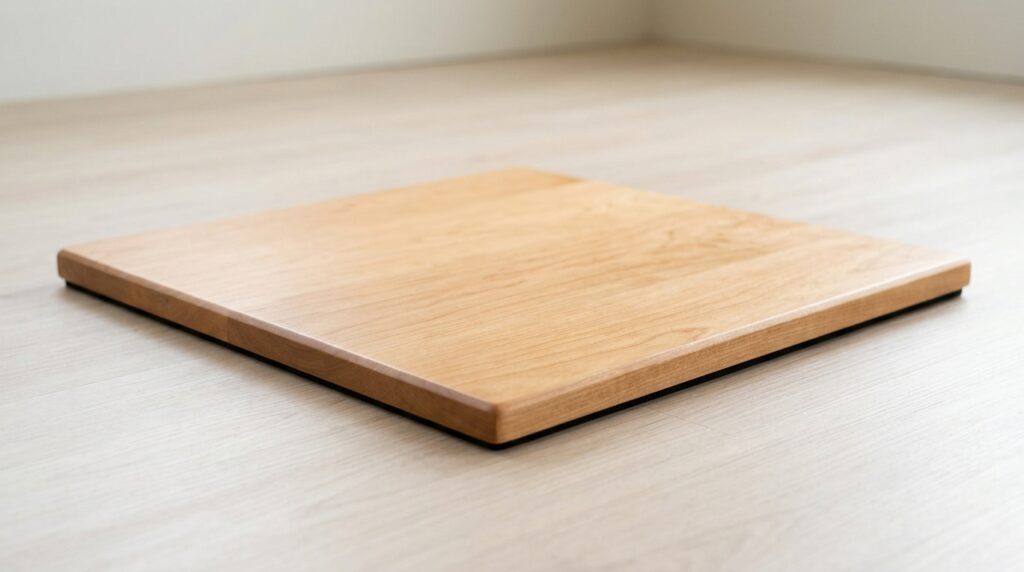
Warm up your ankles and calves before you start. A few ankle circles, some gentle calf raises, and a slow run through your basic steps get the tissues ready for impact. Where you practise matters as well — a sprung wood floor or a portable tap board is far kinder than concrete or tile.
Build up your practice time gradually, especially if you’re returning after a break. If your feet start to ache mid-class, ease off the hardest steps rather than pushing through — pain is your feet asking for a break.
What Helps: Recovery After Class
When class ends, get out of your tap shoes and into something soft and supportive — not flat slippers. A cool foot soak for ten minutes helps if your feet feel swollen, and rolling the bottom of each foot over a tennis ball loosens tight tissue.
Stretch your calves every evening you dance. Stand facing a wall, step one foot back, and press the heel into the floor until you feel a gentle pull. Hold it for thirty seconds on each side. Tight calves are one of the main drivers of heel pain. Ballet dancers deal with the same tight calves, and the stretches in our guide to foot pain from ballet work just as well for tap dancers.
Give your feet real rest days. Dancing every day without a break doesn’t give irritated tissue time to settle.
Your Daily Routine for Happier Feet on Tap Days
Here’s a routine that fits around a tap class:
- Stretch your calves and ankles before class: A wall calf stretch and a few ankle circles take two minutes.
- Check your tap shoes before class: Snug fit, roomy toe box, secure plates, no worn-out soles.
- Practise on a forgiving floor: A sprung wood floor or tap board beats concrete or tile every time.
- Ease off when your feet ache mid-class: Soften the hardest steps instead of pushing through the pain.
- Recover after every class: Cool soak or tennis-ball roll, calf stretches, and supportive shoes for the walk home.
FAQs
Is foot pain from tap dancing normal?
Mild soreness in the balls of your feet or heels after a hard class is very common and usually fades with rest, stretching, and better-fitting shoes. Sharp, one-sided, or persistent pain is not normal and should be checked.
Why do the balls of my feet hurt after tap class?
Toe taps and shuffles load the front of your foot hundreds of times an hour, and stiff tap shoes squeeze your toes at the same time. The result is metatarsalgia — a bruised, aching feeling in the ball of your foot that usually eases with rest and a cushioned insole.
Can tap dancing cause plantar fasciitis?
Yes — repeated heel drops and stomps can irritate the plantar fascia, especially with tight calves and unsupportive shoes. Rest, calf stretching, and supportive footwear usually help, but heel pain lasting more than a couple of weeks needs a doctor’s check.
What helps sore feet after tap dancing?
A cool foot soak, rolling your feet over a tennis ball, calf stretches, and well-fitting tap shoes with a thin cushioned insole all help. Practising on a sprung wood floor or tap board instead of concrete takes a lot of the impact out of it too.
When should I see a doctor about foot pain from tap dancing?
See a doctor promptly if the pain is sharp or severe, if swelling doesn’t settle after rest, if you can’t put weight on your foot, or if you notice numbness, tingling, or a sore that won’t heal.
Sources
- Mayo Clinic — metatarsalgia causes and symptoms
- Cleveland Clinic — plantar fasciitis causes and treatment
- American Podiatric Medical Association — dance and foot injuries
This article is for general information only and is not medical advice. Talk to your doctor or a podiatrist about your own feet.